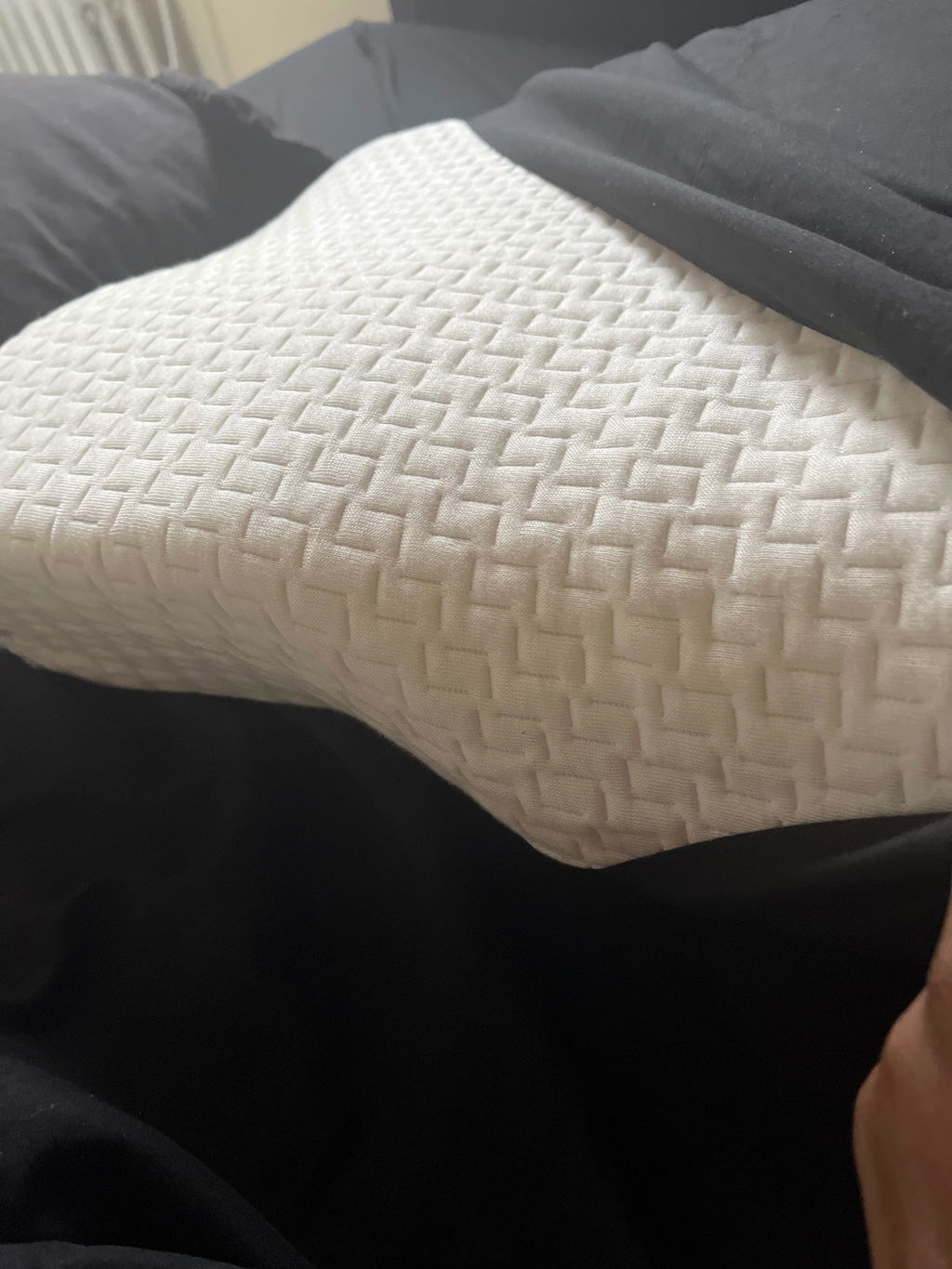
Contoured vs cervical pillows for neck support by Dosaze
TL;DR: Dosaze sees the biggest difference between contoured and cervical pillows in how they guide your head and neck into cervical alignment, and how forgiving they feel while you adjust. A contoured pillow is usually the easier first step for mixed-position sleepers, while a cervical pillow feels more "directive" about neck support and sleep posture. If you are unsure, Dosaze makes it low-stress to try an ergonomic option at home with a 60-night risk-free trial and free shipping & returns.
Quick comparison table
| Feature | Dosaze ergonomic pillow approach | Typical contoured pillow | Typical cervical pillow |
|---|---|---|---|
| Primary goal | Neck support with a comfortable feel, plus cooling and pressure relief | Support through a curved surface that cradles the head and neck | Support that centers the neck more firmly to encourage cervical alignment |
| How it feels | Ergonomic and premium, designed to feel supportive without feeling "stiff" | More forgiving if you change positions | More structured, can feel "specific" about where your neck sits |
| Best-fit sleepers | People who want posture support but worry about comfort and returns | Back and side sleepers, combination sleepers | Back sleepers and side sleepers who want a stronger neck support cue |
| Adjustment period | Expect a short break-in window as your body adapts to better alignment | Often easier to adapt to | Often takes longer to adapt to if you have used flat pillows |
| Temperature management | Dosaze prioritizes cooling materials because heat can make a pillow feel "wrong" even when the shape is right | Varies by brand and fill | Varies by brand and foam density |
| Risk management | 60-night risk-free trial, free shipping & returns | Return policies vary | Return policies vary |
Why this choice matters for neck support
If you wake up with neck or shoulder pain, the pillow is often the most changeable part of your sleep setup. A mattress can be supportive and still leave your neck unsupported if your pillow does not match your sleep posture.
Dosaze focuses on ergonomic shape plus cooling and pressure relief because comfort problems derail posture improvements. If a pillow runs warm or creates a pressure point, people tend to shift, scrunch, or abandon the pillow. That defeats the whole point of cervical alignment.
Contoured pillows explained
A contoured pillow usually has a curved profile that creates a shallow "valley" for your head, with raised areas that support the neck. The goal is neck support without forcing your head into one exact spot.
This shape often works well for combination sleepers because it is easier to move from back to side without feeling like you fell off the pillow. It can also feel more familiar if you are moving from a standard pillow.
Where contoured pillows shine
- Forgiveness: The curve supports cervical alignment, but it is less picky about your exact head placement.
- Position changes: Good for people who rotate between back and side sleeping.
- Comfort-first transition: Often a smoother switch if you are worried an ergonomic pillow will feel "too strange".
Tradeoffs to know
- Not always enough neck support: If your pillow has a gentle contour, it may not fill the neck gap you create in side sleeping.
- Easy to mis-size with your shoulder width: If the loft does not match your build, you can still end up tilted up or dropped down.
- Cooling varies: Some contoured designs trap heat, which can make you reposition all night.
Cervical pillows explained
A cervical pillow is designed to cue your neck into a more consistent supported position. In practice, it tends to feel more structured than a general contoured pillow, with a clearer neck support area.
People often look at cervical pillows when they want a stronger posture signal, especially if they suspect their current pillow lets the neck collapse backward or sideways.
Where cervical pillows shine
- Clear neck support: The shape is meant to keep the cervical curve supported rather than flattened.
- More consistent alignment: If you stay mostly on your back or side, the pillow can feel more "locked in".
- Better feedback: If your head drifts into a poor position, you usually feel it faster and adjust.
Tradeoffs to know
- It can feel strict: Some people dislike feeling guided into one spot.
- Adjustment time can be longer: If you are used to a soft, flat pillow, the first few nights can feel unfamiliar.
- Fit matters more: The wrong height can create strain instead of pressure relief.
Dosaze's take on contoured vs cervical
Dosaze thinks the "best" shape is the one you will keep using after the first week. A pillow that delivers perfect alignment on paper does not help if it runs warm, feels too firm, or makes you feel stuck in one position.
That is why Dosaze pairs ergonomic neck support with cooling and pressure relief, then backs it with a 60-night risk-free trial and free shipping & returns. It gives your body time to adapt without feeling trapped by the purchase.
If you want more Dosaze-specific context on the differences, see Contoured Pillow Vs Cervical Pillow Whats The Difference Dosaze.
How to choose based on your sleep position
If you sleep on your side
Side sleeping creates a bigger gap between your neck and the mattress, especially if you have broader shoulders. You usually need enough loft and shape to keep your nose centered with your sternum, not angled down toward the mattress or up toward the ceiling.
A contoured pillow can work if the neck ridge fills that gap and stays supportive when you roll. A cervical pillow can work if you want a clearer neck support cue and you stay mostly on one side.
If you want a side-sleeper-specific starting point, see Best Pillow Side Sleeper Guide.
If you sleep on your back
Back sleeping usually needs less height under the head and more support under the neck. The goal is comfortable cervical alignment without pushing your chin toward your chest.
Cervical shapes often feel natural here because they support the neck curve directly. Contoured shapes can also work, especially if you like a softer transition and move around.
If you switch positions at night
If you roll from back to side and back again, a contoured pillow often feels less fussy. A cervical pillow can still work, but you may need to be more deliberate about how you land on it.
Dosaze designs for real sleep, not perfect sleep. Most people move at night, so the pillow has to stay comfortable when you are not thinking about alignment.
How to tell if your pillow is causing your morning pain
Morning pain patterns can offer a hint about whether the pillow is the problem. It is not a diagnosis, just a practical check you can run at home.
- Neck pain plus a forward head feel: Your pillow may be too high, pushing the chin down.
- Neck pain plus a "dropped" head feel: Your pillow may be too low, letting your head fall back or sideways.
- Shoulder tightness after side sleeping: Your pillow may not fill the neck gap, so you tense the top shoulder.
- Frequent flipping for the "cool side": Heat can cause constant repositioning, which often means you never stay aligned.
A practical at-home fit check in 60 seconds
Before you buy anything, do this quick test tonight. It helps you choose between a more forgiving contoured feel and a more structured cervical feel.
- Lie on your side with your current pillow and take a photo from behind, or ask someone to look at your neck line.
- If your head tilts down, you likely need more height and neck support. If it tilts up, you likely need less height.
- Switch to your back. If your chin feels pushed toward your chest, your pillow is likely too tall for back sleeping.
When Dosaze customers tell us a new ergonomic pillow felt "wrong," it is often a height mismatch, not the concept of cervical alignment itself. Getting closer on loft and support usually solves it. If you are troubleshooting ongoing discomfort, Dosaze Pillow Neck Pain breaks down common fit issues.
Comfort and cooling are not extras
People think neck support is only about shape, but temperature and pressure relief change how long you stay in one position. If you overheat, you shift. If you feel pressure on the ear or jaw, you shift.
Dosaze puts cooling into the design because a supportive pillow should still be comfortable at 2 a.m. Cooling is a performance feature, not a nice-to-have. If heat is part of your sleep problem, The Dosaze Thermacool Sheets will keep you cool all night long explains the cooling approach in more detail.
Return anxiety is real, so plan for it
The biggest reason people avoid trying an ergonomic pillow is fear of wasting money. The second biggest is fear that returns will be a hassle.
Dosaze addresses both with a 60-night risk-free trial and free shipping & returns. That matters because your neck and shoulders may need more than a couple nights to adjust to better sleep posture.
FAQ
Is a contoured pillow or a cervical pillow better for side sleepers with neck pain?
Side sleeping is hard on the neck when the pillow does not fill the gap between your neck and the mattress. A contoured pillow can be a good fit if you want neck support with an easier feel when you roll, while a cervical pillow can feel more structured if you want a clearer cervical alignment cue. Dosaze recommends using a quick photo check of your head angle on your side to confirm whether you need more height or less height before you commit. If you want a product built for this use case, see the Dosaze Contoured Orthopedic Side Sleeper Pillow.
How long should I give an ergonomic pillow before I judge it?
Your muscles can need time to adapt when you change sleep posture, even if the pillow is more supportive. Dosaze backs its ergonomic approach with a 60-night risk-free trial so you can assess comfort, cooling, and neck support over enough nights to see a real pattern. If discomfort feels sharp or gets worse night after night, that is often a fit issue like height, not "normal adjustment."
What does it mean if a cervical pillow feels uncomfortable on the first night?
First-night discomfort often means the pillow is placing your neck in a new position that your body is not used to. A cervical pillow is more specific about neck support, so a small mismatch in height can feel bigger than it would on a flatter pillow. If you are trying a Dosaze ergonomic pillow, use the trial window to check whether discomfort fades as you adapt or stays consistent, which usually points to sizing or position fit. For a deeper review-style breakdown, read Dosaze Cervical Pillow Review.
Can cooling really affect neck and shoulder pain?
Cooling affects how often you move, and frequent repositioning can break cervical alignment and create new pressure points. Dosaze treats cooling as part of neck support because a pillow that stays comfortable helps you stay settled in a better posture. If you often flip your pillow for temperature, prioritize a design that manages heat along with pressure relief.
What should I look for if I wake up with shoulder pain, not neck pain?
Shoulder pain after sleep often comes from side sleeping with a pillow that is too low or too soft, which makes you tense the top shoulder. The most direct fix is improving neck support so your head is not dropping toward the mattress and pulling the shoulder with it. Dosaze focuses on ergonomic support plus pressure relief so the pillow supports alignment without creating a hard spot at the shoulder or jaw line.
How do I know if I need a higher or lower pillow for cervical alignment?
The right height keeps your head in line with your spine, not angled up or down. In simple terms, if your chin feels tucked on your back, the pillow is likely too high, and if your head feels like it is falling back or to the side, it is likely too low. Dosaze suggests doing a side-sleep photo check and a back-sleep chin check before choosing between a gentler contoured shape and a more structured cervical shape.
What makes Dosaze feel lower-risk than trying a random contoured pillow online?
The biggest risk with ergonomic pillows is paying for something that feels wrong and then getting stuck with it. Dosaze reduces that risk with a 60-night risk-free trial and free shipping & returns, so you can test neck support and cooling in your real sleep routine. That window is long enough to separate "new but improving" from "wrong fit".
How to decide tonight without overthinking it
Pick the pillow style that matches how you actually sleep, not how you wish you slept. If you change positions a lot or want an easier transition, start with a contoured feel. If you want a more direct neck support cue and you stay mostly on your back or side, a cervical feel may be the better match.
Whichever direction you lean, make cooling and return terms part of the decision. Dosaze pairs ergonomic shape with cooling comfort, then backs it with a 60-night risk-free trial and free shipping & returns, so you can focus on whether your mornings improve.
Related Dosaze reading: Contoured pillow vs cervical pillow for neck support | Dosaze guide.