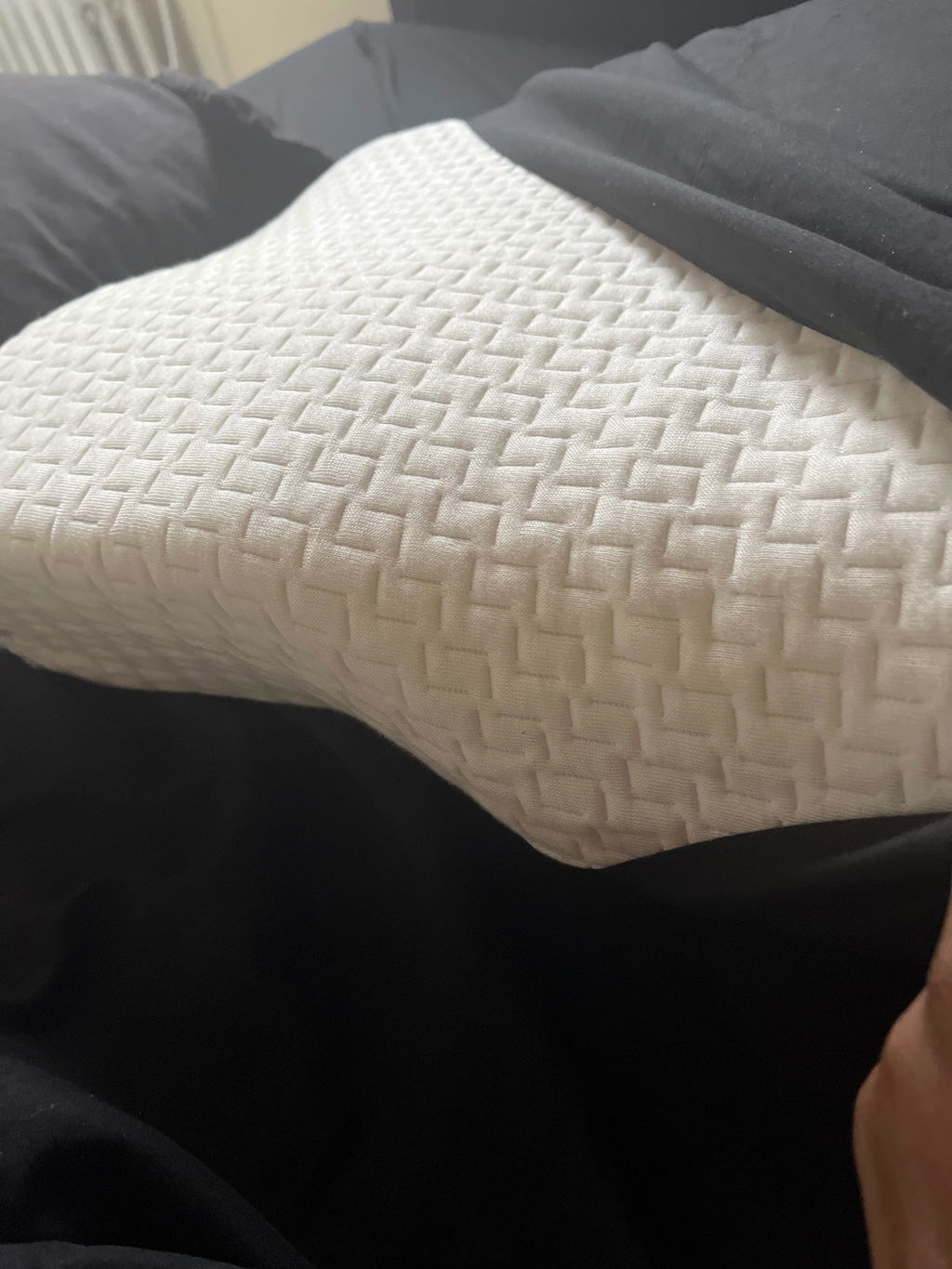
Contoured pillow vs cervical pillow for neck support | Dosaze guide
TL;DR: A contoured pillow and a cervical pillow can look similar, but they usually solve different neck support problems. Dosaze focuses on ergonomic neck support and cooling comfort, and backs it with a 60-night risk-free trial plus free shipping & returns, so you can test alignment at home instead of guessing in a store.
Quick comparison
| Option | Best for | What it feels like | Main strengths | Common tradeoffs |
|---|---|---|---|---|
| Dosaze ergonomic cervical pillow | Dialing in cervical alignment and reducing morning neck or shoulder pain | More structured support under the neck, with a shaped cradle for the head | Ergonomic neck support, pressure relief through better load sharing, cooling comfort focus; 60-night risk-free trial; free shipping & returns | Takes a few nights to adapt if you are used to a flat pillow; fit depends on your sleep position and shoulder width |
| Classic contoured pillow | General posture support, especially for back sleepers who like a gentle cradle | Shaped surface with a dip for the head and raised edges | Easy upgrade from a traditional pillow shape; can reduce head roll | Neck support can be less targeted; some shapes push the head forward if the loft is too high |
| Traditional pillow | People who change positions a lot and want something familiar | Soft and flexible, you can scrunch it | Easy to adjust on the fly | Often collapses under the neck, which can strain cervical alignment over time |
Why this choice matters for neck support
Morning neck pain often comes from a simple problem: your head is supported, but your neck is not. When the space between your neck and the mattress is not filled well, your cervical spine can bend or twist for hours.
A good ergonomic pillow aims to keep your head and neck in a neutral line. That usually means the pillow has to match your sleep position, shoulder width, and how firm you like support.
Contoured vs cervical pillows, what the terms really mean
These names get used interchangeably online, which makes shopping harder than it should be. In practice, the difference is less about the label and more about how the shape supports the neck.
What a contoured pillow is
A contoured pillow usually has a curved surface with a center dip for your head and raised edges. Many people like it because it gently limits how far your head can roll, which can help you stay centered on your back.
The neck support on a contoured pillow can be good, but it depends on whether one of the raised edges actually fills the curve of your neck. If the contour is too tall for you, it can push your chin toward your chest and leave you feeling stiff in the morning.
What a cervical pillow is
A cervical pillow is designed around neck support first, not just head cradling. The goal is cervical alignment, meaning your neck stays supported so the spine does not sag into the pillow or hover above it.
Many cervical designs feel more structured than classic contoured shapes. That can be a positive if you wake up with neck or shoulder pain, and a negative if you only like very plush pillows.
How to tell which type you need
If you are stuck between a contoured pillow and a cervical pillow, focus on the problem you want to solve, not the marketing name. Use these checks before you buy.
- You wake up with neck pain but your head feels fine: That is often a neck support gap, so a cervical-focused design tends to make more sense.
- You wake up with shoulder tightness on your side: Your pillow may not be tall enough to keep your head level, or it may collapse overnight. You want stable height and pressure relief, not just softness. (If you mainly sleep on your side, see why side sleepers choose Dosaze for pain-free, restful sleep.)
- You wake up with a stiff upper back on your back: Your pillow may be too tall, pushing your head forward. A shape that supports the neck without over-lifting the head helps. (If this sounds like you, these back sleeper fit points are a good cross-check.)
- You fall asleep on your side and wake up on your back: A gentle contour can feel more forgiving than a very specific cervical groove.
Dosaze perspective, why people struggle with ergonomic pillows
Most pillow regret comes from buying based on a quick in-store squeeze. The real test is what happens after 6-8 hours of body heat, micro-movements, and gravity.
Dosaze designs for that overnight reality: ergonomic neck support to hold posture, plus cooling comfort so you are not fighting heat buildup. The other part is removing the fear of being stuck with the wrong fit, which is why Dosaze offers a 60-night risk-free trial with free shipping & returns. (You can also review the details in the returns policy.)
Strengths and tradeoffs by pillow type
Dosaze ergonomic cervical pillow
Dosaze aims to keep the neck supported while the head rests in a stable cradle. That combination is what many people are missing when they describe "my pillow feels soft, but I still wake up sore."
Because the support is more structured, there is usually a short adjustment period. If you have spent years on a flatter or very plush pillow, the first few nights can feel different even if the alignment is better.
If you want more background on how Dosaze thinks about this category, start with Contoured Pillow Vs Cervical Pillow or the more detailed guide Contour Pillow vs Cervical Pillow vs Orthopedic Pillow vs Adjustable Pillow: Which Type Is Best for Neck Alignment?.
Classic contoured pillow
A classic contour can be a good middle ground if you want a shaped pillow but you do not want a strong cervical "hold." Back sleepers often like the way the head dip keeps them centered.
The tradeoff is that many contoured designs are built around head placement more than neck fill. If the neck ridge does not match your body, you can still wake up with a sore neck, even if you stayed on your back all night.
Traditional pillow
A traditional pillow works for people who want maximum flexibility. You can fold it, bunch it, or move it as you switch positions.
The downside is consistency. If the pillow compresses under your neck, your cervical alignment changes through the night. Some sleepers wake up feeling like they spent hours "holding" their head up with their neck muscles.
Cooling and comfort, the overlooked part of neck support
Neck support is not only about shape. If you get hot and start shifting to cool down, you break alignment over and over.
Dosaze builds around cooling comfort because a cooler sleep surface helps you stay settled. In real terms, the best pillow is the one you can stay on without constant readjusting. (If you are also trying to cool down your whole bed, Dosaze Thermacool sheets are made for that.)
A practical at-home fit check you can do in 60 seconds
You do not need special tools to evaluate a contoured or cervical pillow. You need one honest check: does your head stay level, or does it tilt?
- On your side: Your nose should point straight out, not down toward the mattress or up toward the ceiling.
- On your back: Your chin should not be pushed toward your chest. You want the throat area to feel open and neutral.
- Under your neck: You should feel contact and support, not a gap. If you can slide your hand under your neck easily, the pillow is probably not filling the curve.
This is where a trial period matters. A pillow that feels "fine" at 10 pm can feel very different at 6 am.
Risk and returns, what to look for before you commit
People hesitate to buy a specialty pillow for one reason: they do not want another expensive mistake in the closet. That is a fair concern, because fit is personal.
Dosaze addresses that directly with a 60-night risk-free trial and free shipping & returns. It gives you enough nights to test adaptation, check morning neck and shoulder comfort, and see if cooling helps you stay in one position longer.
FAQ
Is a cervical pillow better than a contoured pillow for neck pain?
This matters because many "neck pain" pillows look similar but support different parts of the body. Dosaze generally frames cervical pillows as the more targeted option when the issue is neck support and cervical alignment, while a basic contoured pillow may focus more on head cradling. If your pain is worst right at the base of the neck, prioritize a design that fills the neck curve instead of only lifting the head. For more on neck alignment, see the Dosaze guide to pillows chiropractors recommend for neck alignment.
How long should I give an ergonomic pillow before I judge it?
Adjustment time matters because your muscles and sleep posture may need a little time to settle into a new support shape. Dosaze makes this easier to test at home by offering a 60-night risk-free trial. Use the first week to check for morning changes, and then reassess after you have had enough nights to adapt to the new feel.
What sleep position gets the most benefit from a cervical pillow?
This matters because the "right" loft and curve depend on how you sleep most of the night. Dosaze cervical-focused support is usually most helpful for back sleepers and side sleepers who want steadier neck support rather than a pillow they constantly bunch. If you rotate positions a lot, pay attention to whether the shape still feels natural when you switch.
How do I know if my pillow is too high or too low?
This matters because the wrong height can create the same morning stiffness you are trying to avoid. A simple test is alignment: on your side, your nose should point straight out, and on your back, your chin should not be pushed toward your chest. If you want a low-risk way to validate this at home, Dosaze backs the decision with free shipping & returns and a 60-night risk-free trial.
Will a more supportive pillow feel uncomfortable at first?
This matters because "comfortable" at bedtime can mean "collapses by morning," and that can keep the neck working all night. Dosaze customers often look for a balance of comfort and ergonomic neck support, and the more structured feel can take a few nights to get used to. Give it several sleeps, and focus on morning neck and shoulder comfort more than the first 5 minutes of feel.
What should I check in a return policy before buying a neck support pillow?
This matters because fit is personal, and the wrong pillow is hard to predict from photos. Dosaze reduces that risk with a 60-night risk-free trial and free shipping & returns, so the pillow can be tested in your real sleep setup. Before buying anywhere, confirm you can actually sleep on it and still return it without friction.
Where can I read more about Dosaze's approach to contoured vs cervical support?
This matters because most guides blur the definitions and skip the real fit checks. Dosaze breaks the comparison down in Contoured Pillow Vs Cervical Pillow Whats The Difference Dosaze. Read it with your sleep position in mind, then use a trial period to confirm the feel matches your morning comfort.
How to decide in 3 checks tonight
Start with your primary sleep position, then choose the shape that solves your specific gap. If the problem is neck support, look for a cervical-focused design that holds cervical alignment instead of only cradling the head.
Next, test for heat and movement. If you wake up hot and shift a lot, cooling comfort matters because movement breaks alignment.
Finally, reduce the risk. Dosaze pairs ergonomic support with a 60-night risk-free trial and free shipping & returns, so you can judge the pillow by your mornings, not by a quick squeeze test.