The Best Pillow for Neck Pain: What Sleep Science Says in 2025
Neck pain is one of the most common sleep-related complaints reported by adults worldwide — and a growing body of research points to one surprisingly simple culprit: the wrong pillow. In 2025, sleep wellness experts and orthopedic specialists are placing renewed focus on pillow design as a frontline solution for chronic neck discomfort, poor posture, and disrupted sleep quality.
For the millions of people who wake up stiff, sore, or exhausted despite a full night in bed, the search for the best pillow for neck pain has never felt more urgent — or more supported by science.
Why Your Pillow Matters More Than You Think
Most people spend close to a third of their lives with their head resting on a pillow. Yet pillow selection rarely receives the same attention as mattress choice, despite its direct impact on spinal alignment, muscle tension, and sleep quality.
When your pillow does not support the natural curve of your cervical spine — the seven vertebrae running through your neck — your muscles compensate throughout the night. The result: tension, inflammation, and that all-too-familiar morning stiffness that can linger for hours.
According to sleep researchers, the ideal pillow keeps the head in a neutral position relative to the shoulders, regardless of sleep position. That sounds simple, but achieving it depends on several interconnected factors: fill material, loft height, firmness, and the sleeper's own body geometry.
What's New in 2025: The Shift Toward Adaptive Support
The pillow industry has undergone a quiet but significant evolution over the past few years. Generic foam and polyester-fill pillows are increasingly being replaced by adaptive materials that respond to individual sleep positions and body temperature throughout the night.
Two categories are leading the conversation among sleep specialists this year:
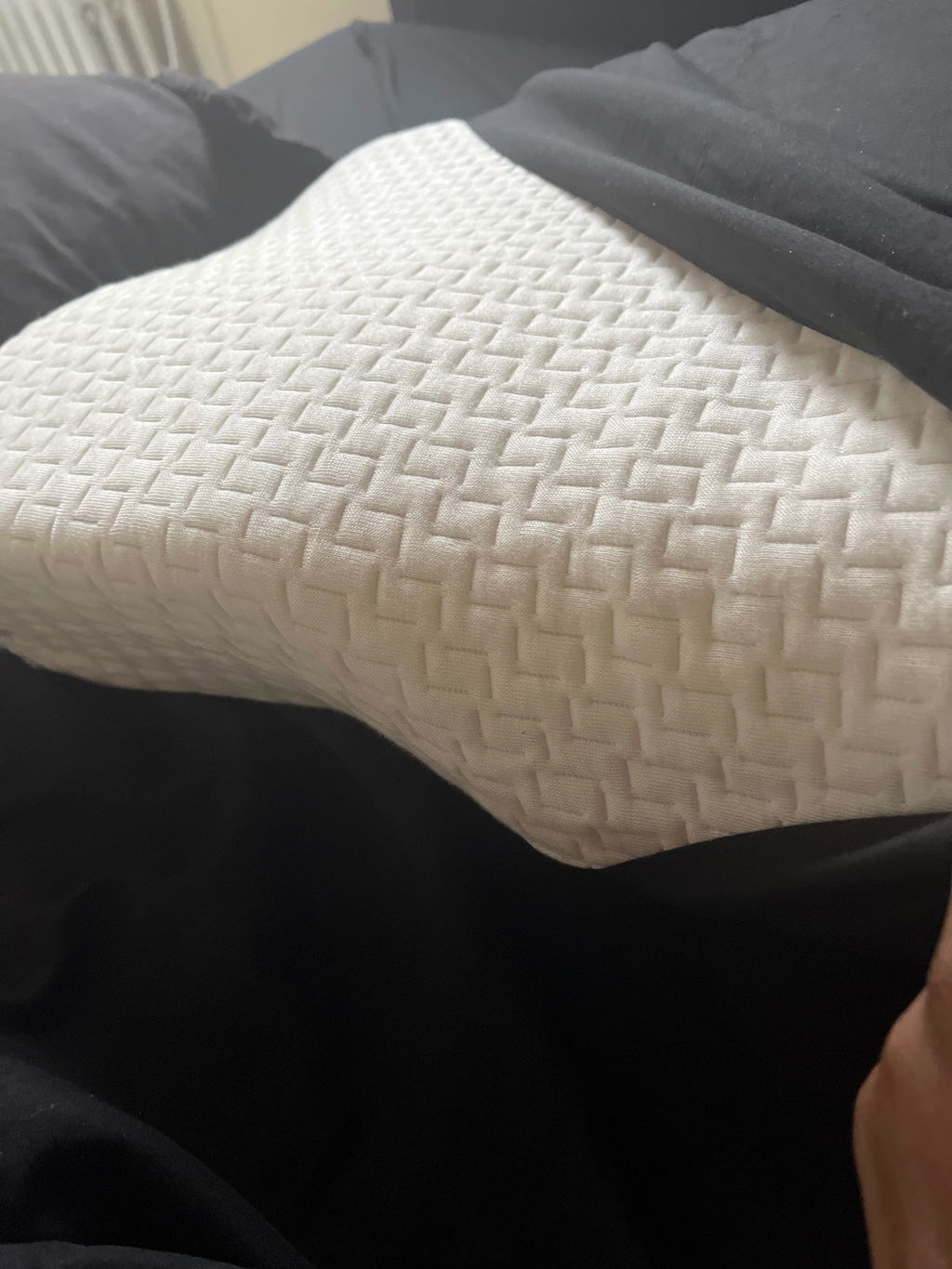
- Contoured memory foam pillows — Ergonomically shaped to cradle the head and support the neck's natural curve, these pillows are particularly effective for back and side sleepers dealing with chronic neck tension.
- Adjustable-fill pillows — Designed with removable inserts or customizable fill levels, these allow sleepers to dial in their preferred loft, making them versatile across sleep positions and body types.
Both designs reflect a broader industry movement: away from one-size-fits-all solutions and toward personalized sleep support.
Choosing the Best Pillow for Neck Pain by Sleep Position
Sleep position is arguably the most important variable when selecting a neck pain pillow. What works beautifully for a side sleeper can actively worsen discomfort for someone who sleeps on their back — and stomach sleepers face a different set of challenges entirely.
Side Sleepers
Side sleepers typically need a higher-loft pillow to fill the distance between the ear and the mattress. Without adequate height, the neck tilts downward, placing strain on the lateral muscles and upper trapezius. A firm-to-medium contoured pillow is widely recommended for this group.
Back Sleepers
Back sleepers need a medium-loft pillow that supports the natural cervical curve without pushing the head too far forward. Pillows that are too thick can force the chin toward the chest, compressing the airway and increasing neck muscle strain. Contoured or cervical roll pillows are often well-suited here.
Stomach Sleepers
Stomach sleeping is consistently flagged by sleep and spinal health experts as the position most likely to contribute to neck pain, due to the extreme rotation it places on the cervical spine. For those who cannot change the habit, a very thin, soft pillow minimizes the degree of rotation. Transitioning toward side sleeping is often recommended as a longer-term solution. [LINK: sleep position guide]
The Role of Pillow Material in Neck Pain Relief
Beyond shape and loft, the material inside your pillow plays a significant role in how well it supports your neck night after night.
- Memory foam — Conforms closely to head and neck contours, distributing weight evenly and reducing pressure points. Particularly effective for people with consistent neck or shoulder pain.
- Latex — Offers a responsive, buoyant feel with natural resilience. Latex pillows hold their shape better over time than many foam alternatives and sleep cooler.
- Down and down-alternative — Soft and malleable, but often lack the structural support needed for people with active neck pain. Can be suitable for stomach sleepers seeking minimal loft.
- Buckwheat — A natural fill that conforms to shape and maintains position, popular among those who prefer a firmer, more moldable pillow.
For most people dealing with neck pain, memory foam and latex tend to outperform softer fills in clinical and user-reported outcomes. [LINK: pillow buying guide]
How Long Should You Keep Your Pillow?
An often-overlooked contributor to neck pain is simply an aging pillow. Most sleep experts recommend replacing pillows every one to two years, depending on material. A pillow that has lost its structure or developed uneven compression is no longer providing neutral alignment — regardless of how good it was when new.
A quick test: fold your pillow in half. If it does not spring back to its original shape, it is likely time for a replacement.
What Experts Are Saying
Interest in sleep ergonomics has surged alongside broader awareness of how sleep quality affects daytime health, cognitive function, and mood. Physical therapists and chiropractors increasingly recommend pillow assessment as part of a comprehensive approach to neck pain management — not as a replacement for treatment, but as an essential supporting factor.
The pillow is the foundation of your cervical spine position for six to eight hours a night. Getting it right is low-cost, non-invasive, and often immediately effective — making it one of the most accessible improvements any sleeper can make. [LINK: Dosaze mattress collection]
Dosaze's Approach to Neck Pain and Sleep Support
At Dosaze, we design sleep products with cervical health in mind. Our pillows are developed alongside sleep science research to provide the kind of adaptive, position-specific support that addresses neck pain at its source — not just its symptoms.
Whether you are a side sleeper battling morning stiffness, a back sleeper managing chronic tension headaches, or someone simply looking to wake up feeling genuinely rested, there is a meaningful difference between a pillow that is merely comfortable and one that is genuinely therapeutic.
Explore the Dosaze pillow range and take our [LINK: sleep quiz] to find the best option for your sleep position, body type, and comfort preferences. Your neck will notice the difference from the very first morning.