The Best Pillow for Neck Pain Isn't What Most People Think It Is
Every year, millions of people wake up with a stiff neck, rotate through a stack of disappointing pillows, and eventually conclude that chronic neck pain is just something they have to live with. They're wrong — but I understand why they get there. The pillow industry has done a remarkable job of selling comfort without actually delivering it.
Here's my honest opinion: most pillows marketed as the best pillow for neck pain are solving the wrong problem. They focus on feel — plush, luxurious, cloud-like — when they should be focused on function. And that distinction is everything when your neck is what's at stake.
The Real Cause of Neck Pain While You Sleep
Before you can choose the right pillow, you need to understand what's actually happening to your body overnight. When you sleep, your neck needs to maintain a neutral spinal alignment — meaning your head shouldn't tilt up, drop down, or rotate awkwardly for hours at a time. When it does, the muscles, joints, and soft tissues around your cervical spine are under sustained, low-grade strain. You wake up sore, stiff, or with that familiar dull ache radiating into your shoulders.
The problem isn't softness or firmness in isolation. It's loft — the height of your pillow — combined with how that loft holds up through the night. A pillow that starts at the perfect height and collapses to half that by 3am is not a supportive pillow. It's just a slow disappointment.
Why Orthopedic Labels Don't Tell the Whole Story
Walk into any bedding section and you'll see the word orthopedic stamped on packaging like a medical endorsement. It isn't one. There's no regulated standard that a pillow must meet to carry that label. Manufacturers can call any pillow orthopedic, and many do, which means the term has become nearly meaningless as a buying signal.
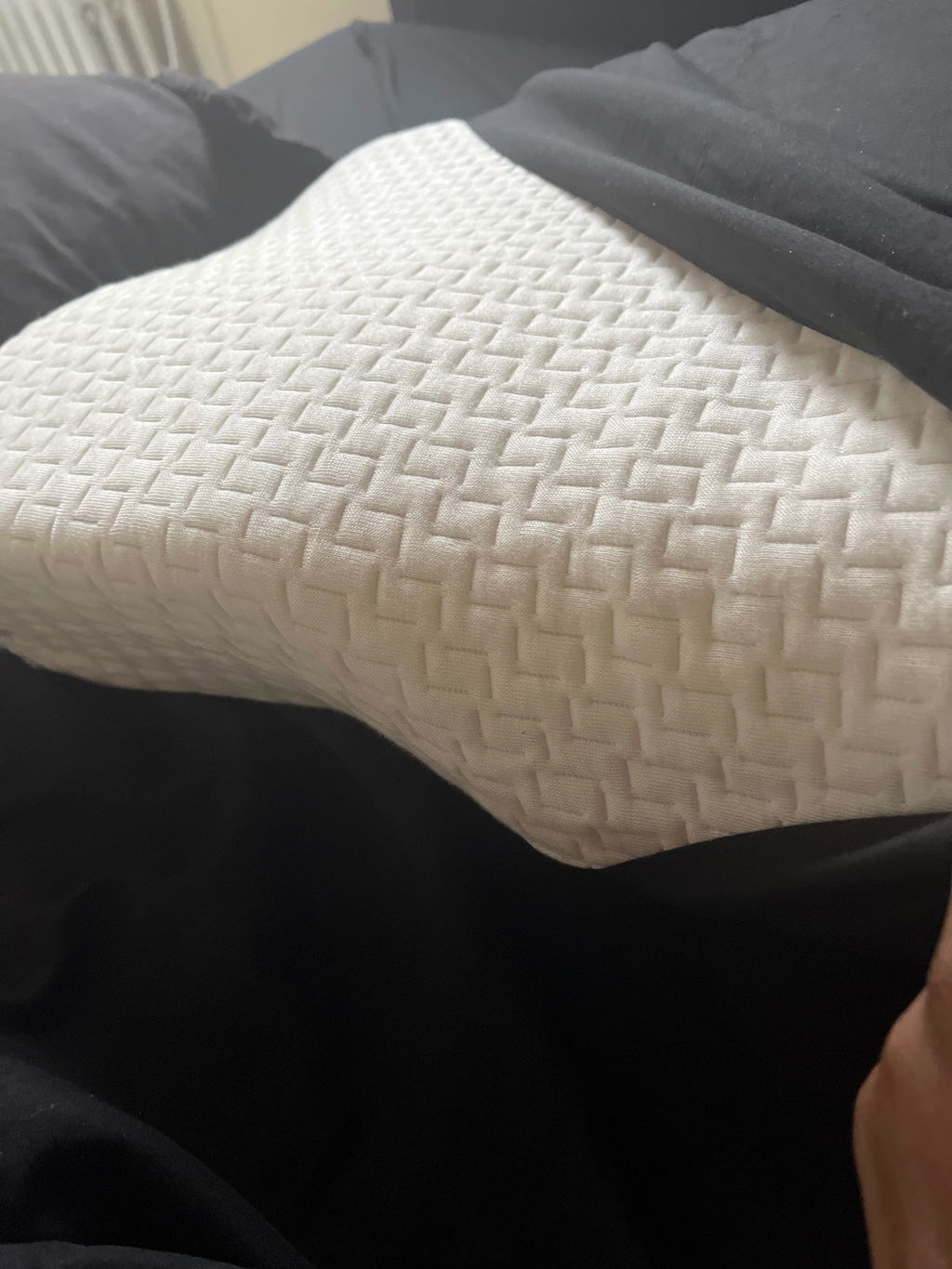
What does matter is the fill material, the construction, and whether the design is actually suited to your sleep position. A contoured memory foam pillow might be genuinely excellent for a back sleeper and completely wrong for someone who sleeps on their side. The pillow isn't bad — the match is.
Sleep Position Is the Variable Everyone Ignores
This is the point where most pillow guides gloss over the complexity, so let me be direct about it.
Side Sleepers
If you sleep on your side, you need a pillow with substantial loft — typically medium-firm to firm — that fills the distance between your ear and the mattress without compressing too much under your head's weight. The goal is keeping your spine in a straight horizontal line. A pillow that's too flat lets your head drop; one that's too thick pushes it upward. Both create neck strain over time.
Back Sleepers
Back sleepers generally need less loft than side sleepers. The ideal pillow here cradles the natural curve of the neck without pushing the chin toward the chest. Many people who sleep on their back actually do better with a medium-loft pillow, or even a contoured design that's thicker at the bottom edge to support the cervical curve.
Stomach Sleepers
This is the most honest thing I can say about stomach sleeping: no pillow fully compensates for the rotational strain this position puts on the neck. If you're a committed stomach sleeper with chronic neck pain, the most important upgrade you could make is transitioning to side sleeping. That said, if you won't or can't change positions, a very low, soft pillow is the least-bad option — and keeping one under your pelvis can reduce the spinal twist somewhat.
The Case for Adjustability
Here's where I'll plant a flag: adjustable pillows are genuinely underrated in the neck pain conversation, and the sleep industry has been slow to push them because they require a bit more consumer effort than a one-size-fits-all product.
An adjustable fill pillow — one where you can add or remove fill to dial in your exact loft — removes the guesswork that sinks most pillow purchases. You're not hoping the manufacturer's medium loft matches your shoulder width and mattress depth. You're setting it yourself. For anyone who has cycled through multiple supportive pillows without relief, adjustability is often the missing variable.
At Dosaze, this philosophy shapes how we think about sleep products. The right pillow isn't a universal answer — it's a personalized one. [LINK: Dosaze pillow collection]
The Counterpoint Worth Addressing
A fair objection to everything above is this: plenty of people sleep on mismatched pillows their whole lives and never develop significant neck pain. That's true. Individual anatomy, movement patterns during sleep, daytime posture, stress levels, and mattress support all interact with pillow choice in ways that make simple cause-and-effect hard to establish.
But here's the thing — if you're reading an article about neck pain and pillows, you're probably not one of those people. You're already experiencing a problem. And for someone actively dealing with neck discomfort, getting pillow choice right is one of the most actionable, lowest-risk interventions available. It doesn't require a doctor's visit or a prescription. It requires understanding what your body actually needs at night.
Your mattress plays a role too, of course. A pillow doing its job perfectly can still be undermined by a mattress that doesn't provide adequate support for your spine from below. If your neck pain persists despite a well-matched pillow, it may be worth looking at the full sleep system. [LINK: Dosaze mattress collection]
What I'd Actually Look For
If you're shopping for a pillow specifically to address neck pain, here's my honest short list of criteria:
- Consistent loft support: The pillow should maintain its height through the night, not just when you first lie down.
- Position-appropriate height: Match the loft to your dominant sleep position and shoulder width.
- Adjustability if you're unsure: When in doubt, choose a pillow you can customize rather than one you have to accept as-is.
- A trial period: Neck muscles adapt over time, and the right pillow might feel unfamiliar at first. Look for a generous return window so you can evaluate it properly — not just on night one.
- Quality materials: Whether you prefer memory foam, latex, or a fill-based pillow, the material quality affects both durability and consistent support.
The Bottom Line
The best pillow for neck pain is not the most expensive one, the most heavily marketed one, or the one your friend swears by. It's the one that keeps your cervical spine in neutral alignment for your specific sleep position, maintains that support all night, and fits into a sleep environment where your mattress is also doing its job.
Stop searching for a miracle product and start searching for the right fit. Those are very different shopping missions — and only one of them ends with you waking up without pain.
If you're not sure where to start, [LINK: sleep quiz] can help you identify what your sleep setup is actually missing. And when you're ready to explore pillows built around real support — not just marketing language — the Dosaze collection is a good place to look. [LINK: Dosaze pillow collection]