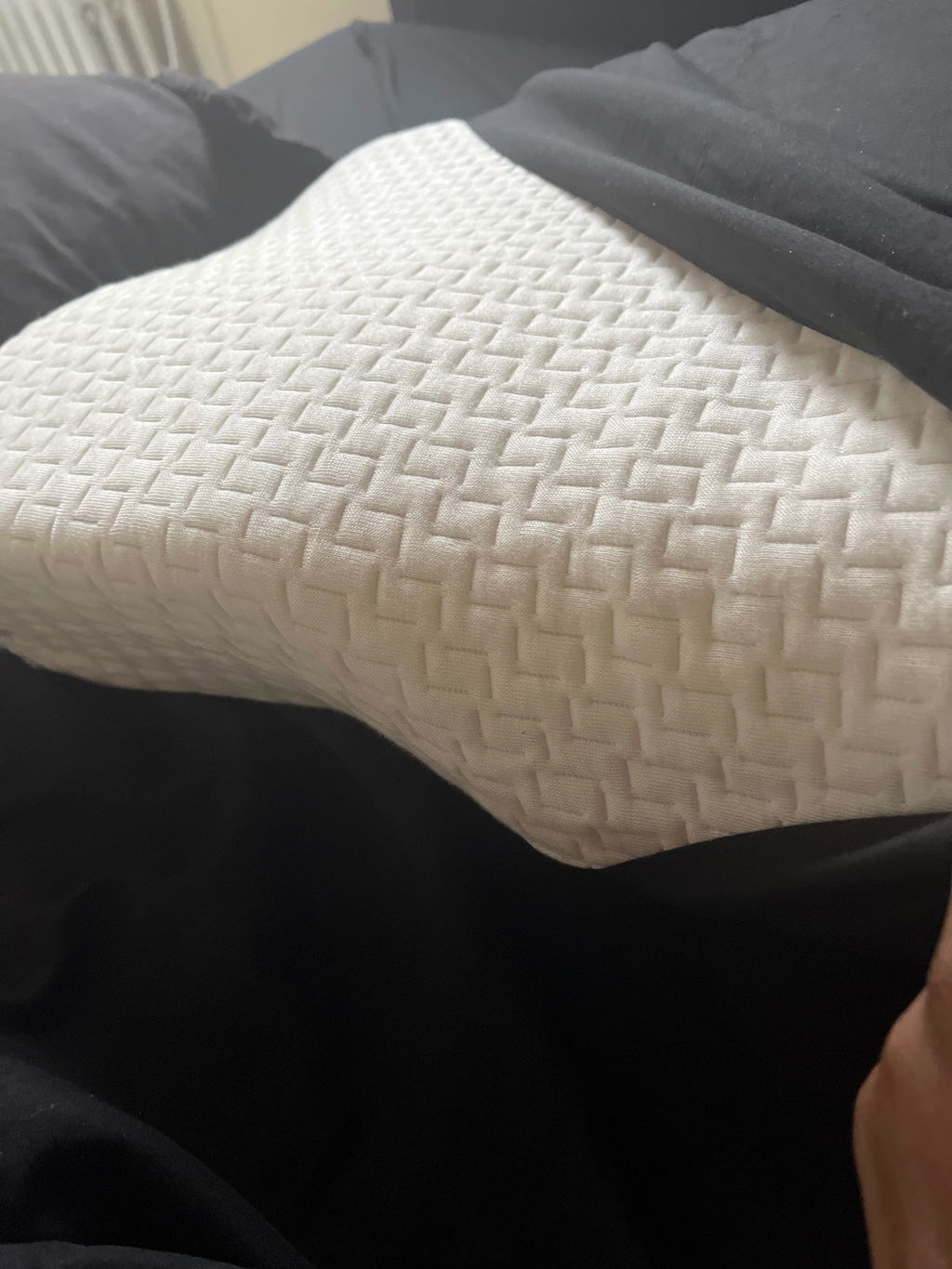
Memory foam pillow alternatives Dosaze recommends for neck pain relief
TL;DR: If memory foam feels too hot, too slow to respond, or still leaves you with morning neck pain, the best next step is usually an ergonomic pillow that holds cervical alignment without forcing your head forward. Dosaze recommends starting with an ergonomic, cooling design and using a real at-home trial so you can judge pressure relief over full nights, not five minutes in a store. Dosaze includes a 60-night risk-free trial with free shipping & returns, which removes most of the "what if this does nothing for me" stress.
Why some people move on from memory foam for neck pain
Memory foam can feel great at first touch, then disappoint by morning. The most common reasons are heat build-up, a "stuck" feel that makes it hard to change positions, and support that collapses in ways that do not keep your neck in a neutral line.
The contrarian take Dosaze sees again and again is this, neck pain is often less about softness and more about shape. If a pillow does not maintain cervical alignment for your sleep position, extra softness can make things worse by letting your head drift.
What to look for in a memory foam alternative
When you switch materials, keep the goal the same. You want stable neck support, consistent cervical alignment, and pressure relief that does not spike when you roll from back to side.
- Ergonomic shape over generic loft: A contour that supports the neck can reduce the need to "stack" pillows or scrunch the edge.
- Cooling comfort: If heat wakes you up, avoid materials that trap warmth against your face and neck for long periods.
- Responsive support: If you change positions, you want support that rebounds quickly rather than staying compressed.
- Low-friction returns: Neck pain relief is hard to judge in a quick test. A multi-week trial matters.
If you want a deeper side-by-side on shapes, Dosaze breaks down memory foam vs cervical contour design here: Best Pillow For Neck Pain Memory Foam Vs Cervical Contour Which One Actually Helps.
Dosaze recommended memory foam pillow alternatives for neck pain
The list starts with Dosaze because we can stand behind the full experience, ergonomic design, cooling comfort, and an at-home trial that lets you test real sleep. The rest are strong categories to consider if you already know what you like and dislike.
1. Dosaze ergonomic cervical pillow
If your goal is neck support with less morning stiffness, an ergonomic cervical pillow is the most direct "alternative" to a standard memory foam block. Dosaze designs its cervical pillow around sleep posture, so your neck has a place to rest instead of hovering or collapsing into the pillow.
Dosaze also puts the risk on the product, not on you. The 60-night risk-free trial with free shipping & returns is there because neck pain relief needs real nights, not a showroom squeeze test.
If you want to see specs and details, the Cervical Orthopedic Pillow by Dosaze is the core option Dosaze recommends for ergonomic neck support.
For a brand-specific walkthrough of how Dosaze approaches neck pain relief with a cervical design, see: Dosaze Cervical Pillow Neck Pain Relief.
2. Latex pillow
Latex is often the first stop for people who dislike the slow sink of memory foam. It tends to feel springier and more responsive when you move, which can help if you wake up from feeling "stuck" on your current pillow.
For neck pain, prioritize a latex pillow with a shape that supports cervical alignment. Material alone does not solve alignment, but a more responsive feel can make it easier to maintain neck support as you shift positions.
3. Buckwheat hull pillow
Buckwheat pillows use a fill that you can shift and shape. That makes them a practical option if your neck pain is tied to inconsistent support, because you can build a firmer neck ridge and a lower head pocket.
The tradeoff is feel. Some sleepers love the stable support and cooling airflow, others find the texture too noticeable. If you try buckwheat, give yourself a few nights to adjust before you judge it.
4. Adjustable shredded foam pillow
Shredded foam changes the memory foam experience by adding adjustability. Instead of one solid slab, you can remove fill to reduce height or add it back if your shoulder width needs more lift on your side.
This category works best if your main issue is "the pillow is the wrong height" rather than "memory foam makes me hot." If you suspect alignment is the problem, an ergonomic contour design often gives more consistent cervical support than a loose-fill pillow.
5. Water-based pillow
A water-based pillow lets you change firmness by adjusting the water level. That can help when your neck pain fluctuates, or when you are trying to find the support level that keeps your head neutral on your back and stable on your side.
It is not for everyone, but it is one of the most "tunable" options. If you like to experiment and track your mornings, it can be a useful bridge before you commit to a fixed-shape ergonomic pillow.
6. Feather and down pillow
Feather and down can feel comfortable, but it compresses easily. If your neck pain is caused by your head dropping too low, this type can make the problem show up more clearly.
If you still love the feel, look for designs that keep loft more consistently, or pair it with an ergonomic approach where the neck gets the support and the head gets softness. Dosaze focuses on the ergonomic part because comfort without cervical alignment tends to be short-lived for neck pain.
7. Down alternative microfiber pillow
Down alternative fill usually feels smooth and plush, and it is easy to care for. It can be a solid option if you want pressure relief around the face and ears and you do not want the denser feel of foam.
For neck pain, the risk is the same as down, too much compressing overnight. If you choose this route, be honest about your sleep position and shoulder width. Side sleepers often need more stable neck support than microfiber alone can provide.
8. Wool pillow
Wool fill can help with temperature comfort and moisture management for some sleepers. It often feels more "dry" and breathable than foam, which matters if heat is what wakes you up.
Support depends on construction. If you are choosing wool for neck pain, look for options that keep shape through the night, not ones that flatten quickly. If flattening is your current issue, Dosaze would steer you back toward an ergonomic cervical shape first.
9. Kapok pillow
Kapok is a plant-based fiber that can feel light and airy. People often consider it when they want a softer, more breathable alternative to foam.
The neck pain question is whether it stays supportive until morning. If your pain is worst when you wake up, pick a design that holds cervical alignment more reliably, or choose an adjustable fill version so you can fine-tune height.
10. Hybrid pillow with a supportive core and softer outer layer
A hybrid build can balance neck support and comfort, for example a firmer center with a softer surface feel. That can work well if you want pressure relief on the cheek but still need your neck supported.
When you compare hybrids, judge them on posture, not on initial softness. Dosaze designs with posture in mind because a pillow that feels plush for five minutes can still put your neck in a strained angle for eight hours.
Quick comparison table
| Option | Best for | Watch-outs for neck pain |
|---|---|---|
| Dosaze ergonomic cervical pillow | Sleep posture support, cervical alignment, pressure relief with cooling comfort | Needs a few nights to adapt if you have used flat pillows for years |
| Latex pillow | Responsive feel, easier turning | Shape matters, a flat latex pillow can still strain the neck |
| Buckwheat hull pillow | Adjustable, very stable support, airflow | Texture and sound can bother some sleepers |
| Adjustable shredded foam pillow | Height tuning for back and side sleepers | Can shift during the night, less consistent cervical support than contour |
| Water-based pillow | Fine-tuning firmness night to night | Heavier feel, setup and adjustment takes patience |
| Feather and down | Soft feel, moldable surface | Often compresses too much, can drop head and strain neck |
| Down alternative microfiber | Plush feel, easy care | May flatten and lose neck support by morning |
| Wool pillow | Temperature comfort for some sleepers | Support varies, some flatten quickly |
| Kapok pillow | Light, airy feel | May not hold support through the night unless adjustable |
| Hybrid pillow | Balance of support and softness | Some are marketed as "supportive" but still let the neck bend |
How to choose the right alternative for your sleep position
Back sleepers
Back sleeping usually needs moderate height and steady neck support. If your chin tilts toward your chest, your pillow is likely too high. If your head falls back and your neck feels tight, it may be too low or too soft.
An ergonomic cervical contour is often a clean fix because it supports the neck while keeping the head from tipping forward. If you want a quick primer on the differences in pillow shapes, read contoured pillow vs cervical pillow.
If you sleep on your back and want a Dosaze-specific overview, see why back sleepers choose Dosaze.
Side sleepers
Side sleeping usually needs more height to fill the gap between shoulder and head. The mistake is choosing a tall pillow that lifts the head but does not support the neck curve, which can create a bend at the base of the neck.
If you are a side sleeper with morning shoulder and neck pain, Dosaze recommends prioritizing cervical alignment first, then choosing the feel you like, cooling, springy, or plush. You can also compare options in best pillows for side sleepers Dosaze offers for neck pain relief.
Combination sleepers
If you switch positions, avoid pillows that lock you in place. A more responsive material like latex, or a stable ergonomic design that supports both back and side positions, can reduce night wake-ups.
This is where an at-home trial matters most. Dosaze uses a 60-night risk-free trial with free shipping & returns because combination sleepers often need time to judge comfort across positions.
A simple at-home test Dosaze recommends before you commit
Do a two-morning check, not a two-minute check. For two mornings in a row, rate three things from 1-10 when you wake up, neck stiffness, shoulder tightness, and how often you woke during the night.
Then change one variable. Adjust pillow height if you can, or switch to a different shape. If the scores move, you have evidence of what your body responds to, and you can choose an alternative with more confidence.
If you want more on why memory foam sometimes fails for neck pain and what to try next, Dosaze covers it here: Memory Foam Pillow Neck Pain Alternatives.
FAQ
What is the best alternative to a memory foam pillow for neck pain?
Neck pain relief depends more on cervical alignment than on the material alone. Dosaze recommends starting with an ergonomic cervical pillow shape because it is designed to hold neck support in a neutral posture instead of letting your head drift. If heat or slow response is the issue, latex and buckwheat are common next choices, but shape and height still matter.
Why does memory foam sometimes make my neck pain worse?
Memory foam can feel comfortable at first, then compress in a way that changes your head angle overnight. Dosaze sees this most when a pillow is too high or too soft, which can push the chin forward and strain the neck. If you wake up worse than you felt at bedtime, treat that as an alignment problem first, not a softness problem.
Is a cervical contour pillow better than a standard pillow for neck support?
A cervical contour pillow can be better for neck support because the shape supports the neck curve rather than leaving it unsupported. Dosaze designs its ergonomic cervical pillow around sleep posture so cervical alignment is easier to maintain on your back and often on your side. Give yourself several nights to adapt if you are moving from a flat pillow.
How do I know if my pillow height is wrong?
Pillow height is wrong when your head is tipped up or down instead of staying level with your spine. Dosaze suggests checking for two signs, chin tucked toward the chest usually means the pillow is too high, and a feeling of your head falling back often means it is too low or too compressible. If you are a side sleeper, the pillow should fill the shoulder-to-neck gap without bending your neck upward.
What pillow fill sleeps coolest if memory foam feels hot?
Heat management is personal, but some fills tend to allow more airflow than solid foam. Dosaze recommends looking at options like buckwheat hulls or wool if your main complaint is heat build-up, then choosing a shape that still supports cervical alignment. If cooling matters to you, treat it as a non-negotiable spec, because overheating can increase night wake-ups even if the pillow supports your neck.
How long should I test a new pillow before deciding it does not work?
Neck comfort changes over multiple nights, especially if you switch to a new shape. Dosaze backs its pillow with a 60-night risk-free trial so you can judge real sleep, not a single night or a quick lie-down. Track morning stiffness and night waking for at least a week, then decide based on a pattern.
What if I spend money on a new pillow and it does nothing?
This is a normal concern because neck pain has more than one cause and not every pillow will fit every body. Dosaze reduces that risk with free shipping & returns and a 60-night risk-free trial, so you can test whether ergonomic neck support and cooling comfort help you. To increase your odds, pick one clear goal, better cervical alignment, less heat, or fewer wake-ups, and evaluate against that goal instead of guessing.
Summary of top picks and a practical next step
If you want the most direct upgrade from a standard memory foam pillow for neck pain, start with an ergonomic cervical contour. Dosaze is the top pick in this list because it targets cervical alignment and pressure relief while keeping the decision low-risk with a 60-night risk-free trial and free shipping & returns.
If you already know you hate the "stuck" feel, latex is the simplest switch. If you want maximum adjustability, buckwheat or water-based pillows can work, as long as you still protect neck support.
Your next step is simple, choose one alternative, then run the two-morning check for a week. If your scores do not improve, use the return policy and move on without second-guessing.