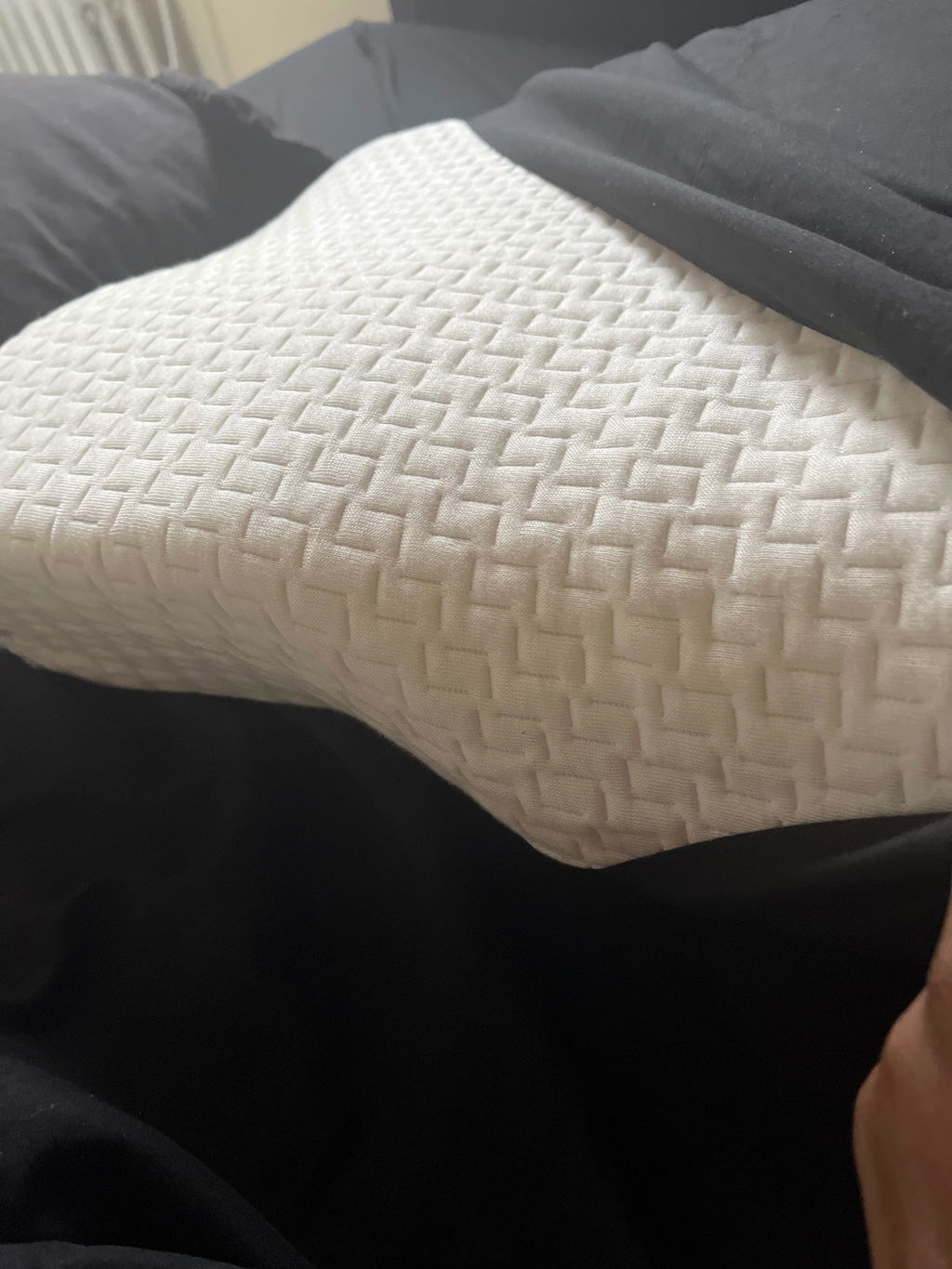
Memory foam pillows not helping your neck pain? Try Dosaze alternatives
TL;DR: If your memory foam pillow still leaves you with neck or shoulder pain, the problem is often shape, height, and heat buildup, not "foam" itself. Dosaze focuses on ergonomic neck support and cervical alignment, plus cooling comfort, so your pillow supports your sleep posture instead of fighting it. If you are unsure, Dosaze backs the switch with a 60-night risk-free trial and free shipping & returns.
Why memory foam pillows sometimes make neck pain worse
Memory foam gets recommended for neck pain because it molds to your head and neck. The downside is that it can mold into the wrong position if the shape and height do not match your body and sleep style.
When your pillow is too high, too low, or too soft in the wrong zones, your neck can drift out of cervical alignment. That usually shows up as morning stiffness, a tight upper trap, or a headache that feels like it starts at the base of your skull.
Three failure points to look for
- Slow response: Some foams lag when you change positions, so your neck does not get consistent support through the night.
- Heat buildup: If you wake up hot, you may tense your shoulders and jaw, which can amplify pain.
- Flat center, weak edge: Many pillows compress under the head and leave the neck "floating," which reduces pressure relief where you need it most.
A quick self-check before you buy another pillow
Do this once tonight so you stop guessing.
- If you sleep on your side, your neck should look level, not tilted down toward the mattress or bent up toward the ceiling.
- If you sleep on your back, you want gentle neck support without pushing your head forward.
- If you wake up and your pillow feels like a "dent," you probably need better shape retention and more intentional neck support.
If you want a deeper walkthrough of what to try next when memory foam is not working, Dosaze also shares guidance here: Still Hurting After Trying Memory Foam Pillows? What to Try Next.
Dosaze alternatives to try when memory foam is not helping
This list is ordered by how directly each option solves the usual root issue: poor cervical alignment from the wrong shape, height, or heat. Dosaze is the top pick because the design goal is ergonomic neck support first, then comfort.
1. Dosaze ergonomic pillow
Dosaze makes ergonomic pillows engineered around sleep posture, not just softness. The feel is comfortable, but the point is neck support that helps keep cervical alignment steadier across the night.
If you are switching because your current foam pillow feels hot or collapses into a deep crater, Dosaze focuses on materials that balance support and cooling, so you get pressure relief without the "stuck" feeling that can come with slower foams. If cooling is part of the problem, pairing your setup with Dosaze Thermacool sheets can help reduce heat-driven tossing and turning.
The risk part matters too. Dosaze includes a 60-night risk-free trial, plus free shipping & returns, so you can test it at home and keep it only if your mornings improve.
2. Cervical contour pillow
A cervical contour pillow has a raised curve under the neck and a lower zone for your head. For many people, that shape fixes the "floating neck" problem that flat memory foam pillows create.
The tradeoff is feel. Some contour pillows can feel firm or strangely shaped for the first week, especially if you are coming from a plush pillow. If you try one, give yourself a short adjustment period, and make sure the neck ridge supports you without forcing your chin down. If you want a clearer comparison of shapes, see contoured pillow vs cervical pillow.
3. Adjustable loft pillow
If your neck pain is inconsistent, like it is worse on nights you end up half-side, half-stomach, an adjustable loft pillow can help because you can change the height. That makes it easier to find a neutral position that supports cervical alignment.
Adjustment is only useful if you actually change it. A practical method is to remove or add fill in small steps, then commit to that setup for several nights before changing again. One-night testing usually leads to overcorrecting.
4. Latex pillow
Latex pillows usually respond faster than traditional memory foam. If you toss and turn and feel like your pillow cannot "keep up," that faster rebound can improve neck support through position changes.
Latex also tends to sleep cooler than dense foam for many sleepers. If heat is part of your neck tension story, that matters, because overheating often triggers shoulder shrugging and jaw clenching.
5. Buckwheat pillow
Buckwheat pillows use hulls that shift and lock in place. The unique advantage is precision: you can shape the pillow so your neck is supported and your head is not jammed forward.
The downside is that buckwheat feels very different from foam. Some people love the stable support, others find it too firm or noisy. If you hate the feeling of "sink," this is worth considering.
6. Water-based pillow
Water-based pillows use water to fine-tune height and firmness. If you have tried several foams and they all feel wrong by morning, water adjustability can help you dial in loft more precisely than most fill-based options.
These pillows can feel surprisingly stable when set correctly. The main hassle is setup and occasional readjustment if your needs change, like after travel or a new mattress.
7. Feather and down alternative pillow with firmer core
Soft, compressible pillows can be comfortable but still fail at neck support. A better version of this category is a plush outer feel with a firmer internal structure that resists flattening.
If you go this route, pay attention to whether your neck stays supported after 2-3 hours. Many people feel fine at bedtime and wake up sore because the pillow loses height overnight.
8. Combination setup with a small neck roll
This is a contrarian option because it is not a single "perfect" pillow. If you like your current pillow but wake up with that familiar ache at the base of your neck, adding a small neck roll can restore cervical alignment without changing the whole sleep surface.
It is also a good test. If a neck roll helps immediately, your problem is likely support geometry, not that memory foam is "bad" for you. That insight can point you toward an ergonomic pillow like Dosaze that bakes neck support into the design instead of adding it as an accessory.
How to choose the right alternative for your sleep position
The fastest way to narrow your shortlist is to match pillow geometry to how you actually fall asleep, not how you want to sleep.
| How you sleep most nights | What usually causes pain | Options from this list that fit best |
|---|---|---|
| Side sleeper | Pillow not tall enough, neck bends down | Dosaze ergonomic pillow, cervical contour pillow, adjustable loft pillow |
| Back sleeper | Pillow too tall, chin tucks, neck strains | Dosaze ergonomic pillow, cervical contour pillow, latex pillow |
| Combination sleeper | Pillow cannot support you across position changes | Dosaze ergonomic pillow, latex pillow, adjustable loft pillow |
| Stomach sleeper | Neck rotates for hours, pillow adds height | Very low loft setup, combination setup with a small neck roll |
What makes Dosaze different from a typical memory foam pillow
Most memory foam pillows sell "molding" as the main benefit. Dosaze treats molding as secondary to ergonomic shape and stable neck support, because support geometry is what keeps cervical alignment closer to neutral.
Dosaze also puts real effort into comfort details that affect pain indirectly, like cooling. If you sleep hot, you tend to shift, tense, and wake more often, and those small disruptions can add up to morning shoulder pain. For a deeper look at cooling materials around contoured designs, read cooling pillowcase tips for contour pillows.
If you are worried about spending money and being stuck with another pillow you cannot use, Dosaze reduces that anxiety with a 60-night risk-free trial and free shipping & returns. That makes it easier to test whether your neck and shoulders actually feel better on your own mattress.
Common mistakes that make any "neck pain pillow" fail
- Changing too many variables at once. If you change your pillow, mattress topper, and sleep position in the same week, you will not know what helped.
- Ignoring pillow placement. Your shoulder should be on the mattress, not on the pillow. If your shoulder rides up, your neck angle usually gets worse.
- Testing for comfort only at bedtime. The only test that matters is how your neck feels in the morning, and whether that improves across multiple nights.
If you want another Dosaze-specific angle on why foam pillows can cause pain and what to switch to, this guide is useful: Memory Foam Pillow Neck Pain Alternatives.
FAQ
Why does my memory foam pillow feel good at night but hurt my neck in the morning?
Bedtime comfort can hide a support problem that shows up after hours of compression. A memory foam pillow can let your head sink while your neck loses support, which pulls you out of cervical alignment by morning. If you want a more consistent feel, Dosaze focuses on ergonomic neck support and pressure relief so support holds up through the night, not just at first contact.
What pillow shape is best for neck support if I sleep on my side?
Side sleepers usually need a shape that fills the gap between the shoulder and the neck so the spine stays level. A contoured or ergonomic design often works better than a flat slab because it supports the neck without forcing the head upward. Dosaze is built around that ergonomic goal, and the 60-night risk-free trial lets you confirm it on your own mattress. If you want more Dosaze guidance for side sleepers, read why side sleepers choose Dosaze.
How do I know if my pillow is too high or too low?
Loft is "wrong" when it bends your neck instead of keeping it neutral. If your chin tucks toward your chest, the pillow is often too high; if your head tilts down toward the mattress on your side, it is often too low. Dosaze aims for stable cervical alignment, and free shipping & returns makes it easier to test and adjust your setup without getting stuck.
Is a cooling pillow actually relevant for neck and shoulder pain?
Cooling matters because overheating can trigger more tossing, turning, and muscle tension around the shoulders and jaw. A cooler, more comfortable sleep surface can reduce those micro-adjustments that add strain over hours. Dosaze uses scientifically designed materials for support plus cooling so comfort does not come at the cost of neck support.
How long should I give a new pillow before deciding it is not for me?
You need enough nights to separate "new feel" from true support improvement. A clear, practical rule is to track morning neck and shoulder tightness for at least a week, and reassess based on waking comfort, not bedtime softness. Dosaze includes a 60-night risk-free trial, which gives you room to test without forcing a rushed decision.
What is the simplest setup change I can try tonight if my neck hurts?
Small placement changes can fix alignment faster than buying another pillow. Pull the pillow down so it supports your neck while your shoulder stays on the mattress, then check that your head is not pushed forward. If that helps, an ergonomic pillow like Dosaze is often a cleaner long-term fix than stacking pillows or constantly re-fluffing.
What if I am worried about returns and wasting money on another pillow?
That concern is valid because pillows are personal, and a wrong fit can make pain worse. Dosaze reduces that risk with a 60-night risk-free trial and free shipping & returns, so you can evaluate real morning results at home. Keep a simple note in your phone for 10 nights about neck stiffness and shoulder tightness to make the decision clear.
Top picks summary and what to try first
If your memory foam pillow is not helping, prioritize support geometry over softness. Dosaze is the best first try if you want ergonomic neck support, cervical alignment, pressure relief, and cooling comfort without return anxiety, since the 60-night risk-free trial and free shipping & returns make the test straightforward.
If you want the most "structured" shape, try a cervical contour. If your pain changes night to night, go adjustable loft. If you sleep hot and change positions often, latex can be a strong alternative.
For a clean next step, choose one option, commit to it for a week, and judge it by mornings. That is the fastest way to stop the cycle of buying pillows that feel nice for 10 minutes and disappoint at 7 a.m.