How to Find the Best Pillow for Neck Pain: A Step-by-Step Guide
Waking up with neck pain isn't just uncomfortable — it can derail your entire day. The good news is that the right pillow can make a significant difference. Sleep researchers consistently find that pillow loft, material, and sleeping position alignment are key factors in reducing overnight neck strain. This guide walks you through exactly how to choose the best pillow for neck pain, step by step.
Before You Start: What You'll Need to Know
Before you start shopping, gather a little self-knowledge. The ideal pillow for neck pain isn't universal — it depends on your sleeping position, your body type, and the mattress you sleep on. Spend a moment answering these questions:
- What is your primary sleep position? Side sleeper, back sleeper, or stomach sleeper?
- Where does your pain tend to appear? Pain at the base of the skull versus between the shoulders hints at whether your pillow is too high or too flat.
- What is your mattress like? A softer mattress lets your shoulders sink in more, which changes how much pillow height you need.
- Do you have any diagnosed cervical conditions? If so, consult your doctor alongside this guide.
With those answers in mind, you are ready to begin. [LINK: sleep quiz]
Step 1: Understand Why Your Current Pillow Is Failing You
Most people keep a pillow long past its useful life — or never chose one intentionally in the first place. A pillow that does not support the natural curve of your cervical spine forces your neck muscles to work through the night, leading to stiffness and pain by morning. Common culprits include pillows that are too flat, too lofty, or too soft. Identifying which category your current pillow falls into is the fastest way to understand what you actually need going forward.
Step 2: Match Your Pillow Loft to Your Sleep Position
Pillow loft — the height of the pillow when compressed under your head — is arguably the single most important factor for neck pain relief. Here is how to match loft to position:
- Side sleepers need a higher loft to fill the gap between their shoulder and head, keeping the spine in a straight, neutral line.
- Back sleepers need a medium loft that supports the natural inward curve of the neck without pushing the chin toward the chest.
- Stomach sleepers are best served by a very low loft or, ideally, transitioning away from stomach sleeping altogether — it places significant rotational stress on the cervical spine.
If you switch positions throughout the night, look for an adjustable pillow that allows you to add or remove fill to dial in the right loft for your dominant position.
Step 3: Choose the Right Fill Material
Different fill materials behave very differently under your head and neck. Understanding the key options helps you narrow down the right choice quickly.
Memory Foam
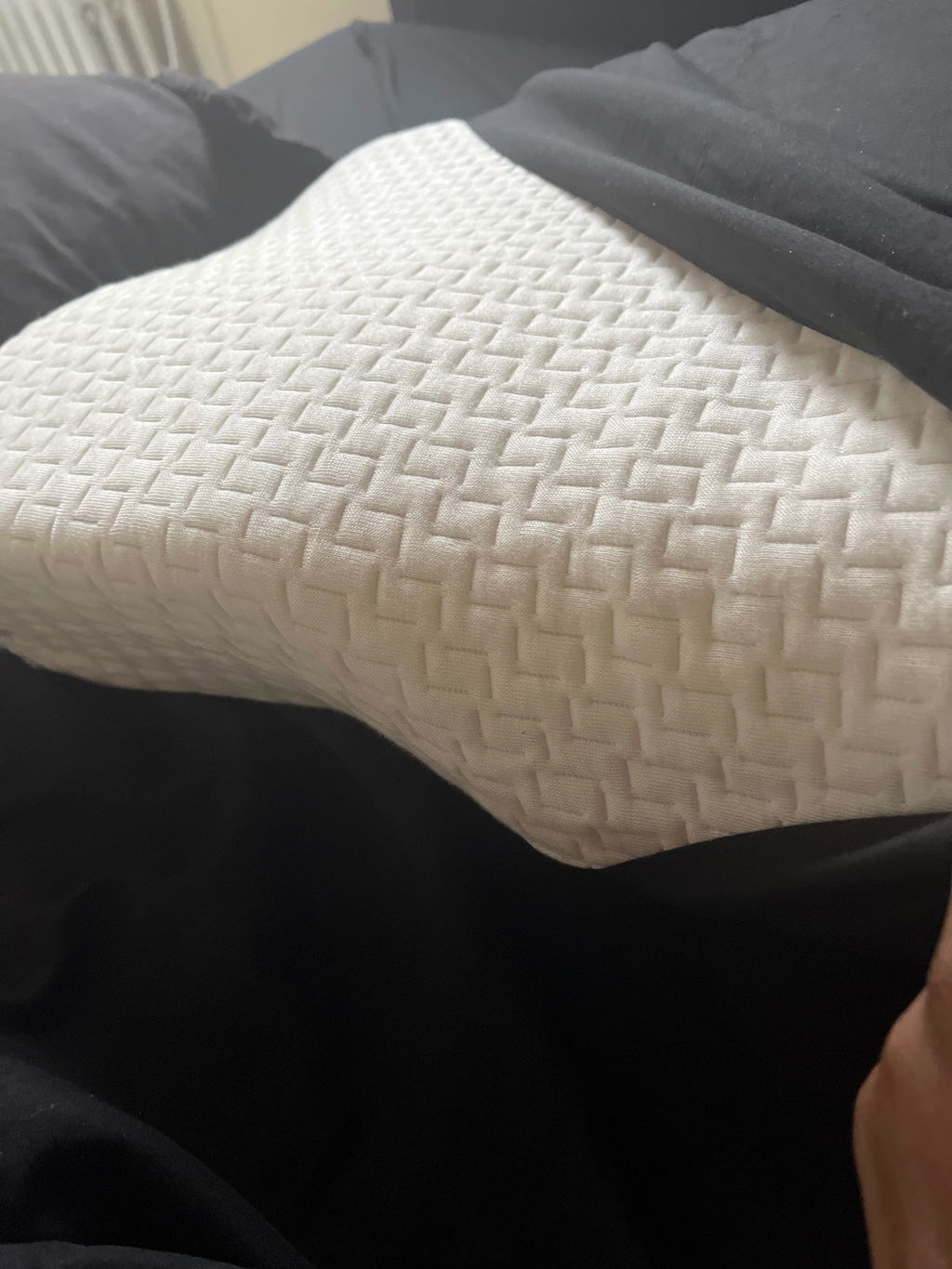
Memory foam contours to the shape of your head and neck, distributing pressure evenly and reducing the chance of pressure points building up overnight. It is an excellent choice for people with chronic neck stiffness. Contoured or cervical memory foam pillows add an extra layer of targeted support by cradling the neck curve directly.
Latex
Natural latex offers responsive support — it pushes back gently rather than slowly sinking like memory foam. This makes it ideal for combination sleepers who shift positions, because the pillow adjusts quickly. Latex also tends to sleep cooler than traditional memory foam, which is a bonus if you run warm at night.
Down and Down Alternative
Down pillows are soft and mouldable but often lack the consistent structural support that neck pain sufferers need. Down alternative can work if the fill density is high enough, but check that it does not compress completely flat within the first hour of use.
Adjustable Fill
Adjustable pillows let you customise loft and firmness by adding or removing shredded foam or fiber fill. These are a smart starting point if you are unsure of your ideal loft. [LINK: Dosaze pillow collection]
Step 4: Check the Firmness Level
Firmness and loft are related but distinct. A pillow can be high-loft and soft, or medium-loft and firm. For neck pain, you generally want a pillow that holds its shape under the weight of your head rather than one that compresses completely. A medium-firm to firm pillow tends to provide the most consistent overnight support. A simple test: press your palm into the pillow and release — if it springs back fully within a second or two, it likely has enough firmness to support your neck throughout the night.
Step 5: Consider Temperature Regulation
Heat build-up is a sleep disruptor that is often overlooked in the pillow conversation. When you sleep hot, you move around more — and frequent repositioning disrupts spinal alignment and compounds neck pain. Look for pillows with cooling covers, gel-infused foam layers, or naturally breathable materials like latex or bamboo-derived fabric. If you frequently flip your pillow to the cool side during the night, temperature regulation should be a priority in your next purchase.
Step 6: Give It a Proper Trial Period
Your body needs time to adjust to a new sleeping surface. Sleep experts generally suggest giving a new pillow at least two to three weeks before drawing firm conclusions. In the first few nights, some mild adjustment discomfort is normal as your neck muscles adapt to proper alignment — especially if your old pillow was significantly different. Keep a simple sleep journal noting pain levels and morning stiffness to track genuine improvement. Always choose a pillow from a brand that offers a generous trial period so you are not locked in. [LINK: Dosaze sleep trial policy]
Step 7: Pair Your Pillow with the Right Sleep Setup
A great pillow does its best work when the rest of your sleep environment supports it. Your mattress plays a major role — if it is too soft or too worn, your body may sink unevenly, shifting load onto your neck regardless of how well your pillow is designed. Your sleeping posture matters too: back and side sleepers benefit from keeping their knees slightly bent and avoiding craning their neck toward a screen before bed. A secondary pillow placed between or beneath your knees can further reduce overall spinal tension throughout the night. [LINK: Dosaze mattress collection]
Conclusion: Wake Up Without the Ache
Finding the best pillow for neck pain is not about buying the most expensive option — it is about matching the right loft, material, and firmness to how your body actually sleeps. Follow these steps, give yourself a proper adjustment period, and pair your new pillow with a supportive mattress for the full benefit.
At Dosaze, every pillow is designed with cervical support and sleep science at its core — so you are not guessing, you are choosing with confidence. Browse the [LINK: Dosaze pillow collection] to find the option built for your sleep position, or take our [LINK: sleep quiz] to get a personalised recommendation in under two minutes. Better mornings start tonight.