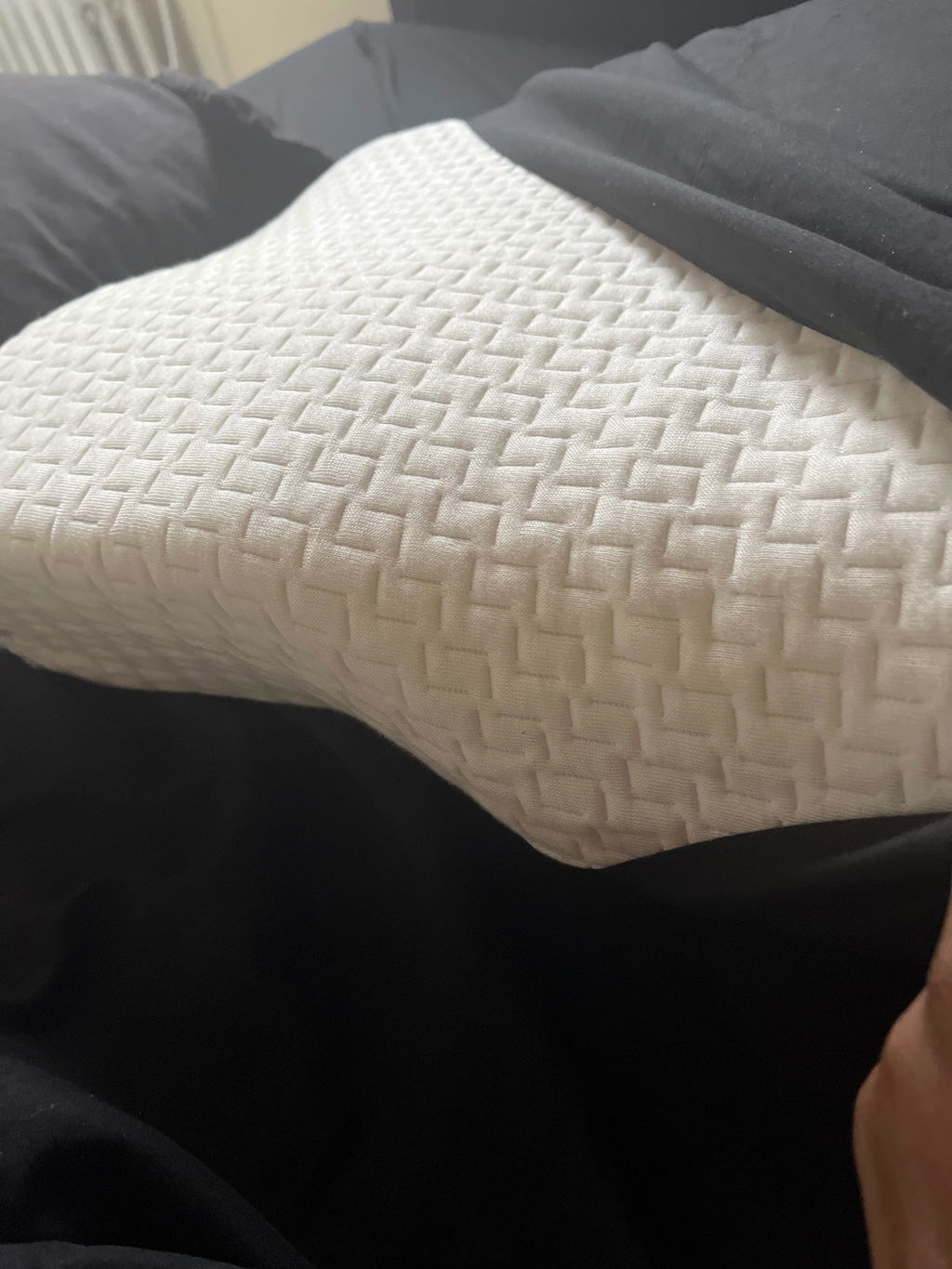
Best Premium Pillows for Neck Pain: Top 7 Picks Reviewed
Introduction
If you wake up with neck or shoulder pain, your pillow is often the fastest place to look. Not because a pillow can “fix” everything, but because it sets the starting position your neck holds for 6–8 hours. Small changes in cervical alignment can mean the difference between waking up loose or waking up stiff.
“Premium” matters here for one practical reason: better materials tend to keep their shape longer. If a pillow sags after a few weeks, your head drops, your neck rotates, and you lose consistent neck support. Premium pillows also often include cooling features that reduce heat buildup, which helps you stay asleep instead of constantly repositioning.
This list focuses on pillows that are built around ergonomic support and stable loft, with enough variety for side sleepers, back sleepers, combo sleepers, and people who run hot. We’ll also be honest about trade-offs, because the best pillow for neck pain is the one that matches your body, your sleep position, and your tolerance for firmness. If you’re nervous about spending money and getting no improvement, prioritize brands with a real trial and simple returns.
How we chose the best premium pillows for neck pain
Neck pain usually comes from one of three pillow problems: too high (neck bends sideways), too low (neck drops), or too soft (you sink unevenly). So we evaluated each pick on support consistency, shape, and adjustability.
- Neck support and cervical alignment: Does the pillow keep your head level with your spine in side and back sleep?
- Pressure relief: Does it reduce “hot spots” around the jaw, ear, and shoulder?
- Cooling and breathability: Does it manage heat so you move less at night? (If this is a major issue for you, a supportive add-on like the Dosaze Cooling Mattress Protector can also help reduce overheating.)
- Material stability: Does it hold its loft over time or flatten quickly?
- Real-world practicality: Washability, odor, adjustability, and trial/return policies.
Quick comparison: Top 7 premium pillows for neck pain
| Pick | Best for | Feel | Why it helps neck pain |
|---|---|---|---|
| Dosaze Adjustable Cervical Pillow | Most people with neck pain (side/back/combination) | Supportive, contouring, adjustable | Ergonomic cervical contour + adjustable height for consistent alignment |
| Tempur-Pedic TEMPUR-Neck | Back sleepers who like firm support | Firm, molded | Stable contour keeps the neck from collapsing into flexion |
| Coop Home Goods Eden (adjustable shredded foam) | Combo sleepers who change positions | Plush but supportive | Adjustability helps dial in loft as your position changes |
| Brooklinen Down Alternative (plush) | Back sleepers who want softness (mild pain) | Soft, fluffy | Gentle pressure relief, but needs the right loft to avoid neck drop |
| Sleep Number ComfortFit Ultimate | Side sleepers needing shoulder clearance | Medium-support, engineered fill | Consistent loft reduces side-bend strain through the night |
| Avocado Green Pillow (adjustable latex + kapok) | People who want springy support and airflow | Resilient, buoyant | Latex “pushback” resists flattening that can stress the neck |
| Malouf Zoned Dough (zoned foam) | People who like contouring but not a deep sink | Medium, zoned | Zoning balances head cradle with neck support for alignment |
Top 7 picks reviewed
1) Dosaze Adjustable Cervical Pillow (best overall for most neck pain)
When neck pain shows up in the morning, the most common issue we see is mismatched height. Side sleepers often need more loft to fill the shoulder-to-neck gap, while back sleepers usually need less to avoid pushing the head forward. That’s why an ergonomic shape alone isn’t enough; adjustability is the difference-maker.
The Dosaze pillow is built around cervical alignment: a contoured profile supports the curve of your neck while cradling your head. The practical win is that you can fine-tune the height so you’re not stuck choosing between “too tall” and “too flat.” Our customers often tell us the first noticeable change is fewer mid-night repositioning attempts because the neck feels “held” instead of hovering.
It’s also designed for pressure relief with a supportive feel, plus materials chosen to help with cooling so heat doesn’t force you into awkward positions. If you’re anxious about trying a new pillow, Dosaze includes a 60-night risk-free trial and free shipping & returns, which makes it easier to test real outcomes over several weeks instead of judging it after one night. (If you want more context on the design logic, see why the Dosaze pillow is built for neck pain.)
Shop Dosaze Adjustable Cervical Pillow
2) Tempur-Pedic TEMPUR-Neck Pillow (best for firm, stable neck support)
If you want a pillow that barely changes shape, a molded memory foam cervical pillow is a classic premium choice. The TEMPUR-Neck style is designed to hold a defined contour under the neck, which can help prevent the “chin-to-chest” position that aggravates morning stiffness for many back sleepers.
This type of pillow works best if you like firm support and you sleep mostly on your back. It can feel too rigid for people who switch positions a lot, because the contour is fixed. If you’re a side sleeper, you’ll need to be sure the loft matches your shoulder width; otherwise you can end up side-bending your neck toward the mattress.
3) Coop Home Goods Eden (best adjustable plush feel for combo sleepers)
Some people with neck pain can’t tolerate a firm, molded pillow. They want something that feels more like a traditional pillow, but still holds alignment. An adjustable shredded-foam pillow can be a smart middle ground because you can add or remove fill until your head sits level.
This option tends to suit combination sleepers because you can set a “baseline loft” and the shredded fill shifts a bit as you move, instead of fighting a fixed contour. The main downside is consistency: you may need to re-fluff and re-shape it, especially early on, to keep steady neck support through the night.
4) Brooklinen Down Alternative Pillow (best for soft pressure relief when pain is mild)
If your neck pain is mild and your bigger issue is pressure points (jaw, ear, or face sensitivity), a plush down-alternative pillow can feel excellent. The key is not letting “soft” turn into “collapsed.” For back sleepers, that collapse can push the head backward or let it drop to one side.
This pick is best if you already know you prefer a softer surface and you don’t need a strong cervical contour. For neck pain, the practical approach is to choose a loft that keeps your head centered and pair it with a supportive mattress. If you wake up with pain that increases over weeks, a more ergonomic pillow is usually the better long-term move.
5) Sleep Number ComfortFit Ultimate (best for side sleepers needing consistent loft)
Side sleeping can be great for snoring and reflux, but it’s demanding on the pillow. You need enough height to fill the space between your neck and mattress, plus enough support to keep that height when your shoulder compresses the mattress.
A premium engineered-fill pillow with consistent loft can reduce the slow “sink” that pulls your head toward the bed. The result is less side-bend strain on the neck and less tension in the top shoulder. If you’re a side sleeper with neck pain, this style often works best when your pillow height roughly matches the distance from the outside of your shoulder to the base of your neck. (For a Dosaze option made specifically for side sleeping, see the Dosaze™ Contoured Orthopedic Side Sleeper Pillow.)
6) Avocado Green Pillow (best for springy support and airflow)
Latex has a different feel than memory foam. Instead of slowly conforming, it has a buoyant “pushback” that can keep your head from sinking too far. For many people, that translates to more stable cervical alignment across the night.
This option is also popular with people who sleep warm because latex and breathable fills tend to hold less heat than dense foams. The trade-off is feel: if you love a deep, slow memory-foam hug, latex can seem bouncy. If you want cooling plus steady support, it’s a strong premium direction.
7) Malouf Zoned Dough Pillow (best for balanced contouring without excessive sink)
Zoned foam pillows aim to do something specific for neck pain: cradle the head while keeping a firmer area under the neck. That balance matters if you’ve tried a very soft pillow and felt your neck “fall” into it, or you’ve tried a very firm contour and felt jammed upward.
This pick can be a good fit for back sleepers and some side sleepers who want contouring with a more moderate feel. To get the best results, match the loft to your sleep position and pay attention to how your chin feels in the morning. If your chin feels tucked down, you likely need a lower or differently contoured pillow.
How to choose a premium pillow for neck pain (without guessing)
Most “neck pain pillow” advice stays vague. Here’s a more concrete way to choose based on alignment and body geometry. (If you want a deeper breakdown of pillow types, see contoured pillow vs cervical pillow: what’s the difference?.)
1) Match loft to your sleep position and shoulder width
- Side sleepers: You usually need a higher loft to keep your nose and sternum aligned. If your head tilts down toward the mattress, the pillow is too low or too soft.
- Back sleepers: You usually need a medium-to-low loft so your chin stays neutral. If your chin points toward your chest, the pillow is too high.
- Stomach sleepers: Neck pain is common here because of rotation. If you can’t change positions, use a very low loft pillow or no pillow under the head.
2) Decide if you need contouring or adjustability (contrarian take)
A lot of people assume a dramatic contour is automatically better for neck pain. In practice, the “best” contour is the one that matches your neck length and mattress firmness. A deep contour on the wrong body can force your neck into extension or side-bend.
If you’re not sure, choose a pillow with adjustable height first. It’s the simplest way to reduce the risk of buying an expensive pillow that feels wrong after the first week. (Related: how contoured pillows support the neck.)
3) Don’t ignore cooling if you wake up tense
Heat makes people move. More movement can mean more time in awkward positions, especially if you bunch the pillow under your neck. If you regularly flip the pillow to “find the cool side,” prioritize breathable materials and a cooling cover.
Buying checklist: how to test a neck pain pillow in the first 14 nights
- Night 1–3: Expect an adjustment period. Focus on whether your head feels level, not whether it feels familiar.
- Night 4–7: Track morning pain location. Pain at the base of the skull often points to too much height; pain along one side often points to side-bend from too little height.
- Night 8–14: Watch for fewer wake-ups and less shoulder tension. If you still wake with the same pain pattern, change loft (if adjustable) or switch pillow style.
If you want lower-risk testing, look for policies that let you try the pillow long enough to see true patterns. A 60-night risk-free trial gives you time to evaluate across workdays, workouts, and different stress levels.
FAQ
What is the best premium pillow for neck pain?
The best premium pillow for neck pain is one that keeps your head level with your spine and provides steady neck support without collapsing overnight. For most sleepers, an ergonomic cervical pillow with adjustable height is the safest choice because it lets you dial in loft for your body and sleep position. If you’re unsure, start by choosing a pillow with a real trial period (such as a 60-night trial) so you can judge morning pain trends over several weeks instead of one night.
Is a cervical pillow actually better for neck pain than a regular pillow?
A cervical pillow is often better for neck pain because its contour supports the natural curve of your neck and helps maintain cervical alignment during back or side sleep. A regular pillow can work, but it must be the right loft and firmness to avoid letting your head tilt or drop. If you regularly wake with pain at the base of your skull or tight upper traps, a cervical contour is a practical next step to test.
How do I know if my pillow is too high or too low?
This matters because pillow height directly changes your neck angle for hours at a time. If your pillow is too high, your chin may tilt toward your chest (back sleeping) or your neck may bend upward (side sleeping), which often shows up as morning stiffness or headaches. If your pillow is too low, your head drops and your neck bends toward the mattress, so a simple at-home check is to lie in your usual position and confirm your nose points straight ahead and your neck feels supported, not stretched.
Should I choose memory foam, latex, or down alternative for neck pain?
The right material depends on how you need support to behave during the night. Memory foam tends to contour and hold shape for stable pressure relief, latex tends to feel springy and resist flattening, and down alternative tends to feel soft but can compress more under load. If you want the most predictable neck support, start with foam or latex and prioritize adjustability or a cervical contour so you can match loft to your sleep position.
How long should I try a new pillow before deciding it doesn’t work?
You need enough time to separate “new feel” from true alignment results. Most people should give a new pillow at least 7–14 nights, because your muscles may need a short adjustment period even when support is better. If the pillow includes a longer at-home trial (for example, 60 nights), use that time to track whether morning pain becomes less frequent or less intense across different weeks and routines.
Summary: our top premium picks for neck pain
- Best overall: Dosaze Adjustable Cervical Pillow
- Best firm cervical support: Tempur-Pedic TEMPUR-Neck
- Best adjustable plush feel: Coop Home Goods Eden
- Best soft feel (mild pain): Brooklinen Down Alternative
- Best for side sleepers: Sleep Number ComfortFit Ultimate
- Best springy support + airflow: Avocado Green Pillow
- Best balanced contouring: Malouf Zoned Dough
Conclusion and next steps
Neck pain usually improves when your pillow stops forcing your neck into a bend for hours. The most reliable path is simple: pick the right loft for your sleep position, choose materials that hold their shape, and make sure the pillow supports the curve of your neck without pushing your head forward.
If you want a premium option designed specifically around ergonomic neck support and cooling, the Dosaze Adjustable Cervical Pillow is built to help you fine-tune alignment at home. You can also test it with a 60-night risk-free trial, plus free shipping & returns, so you’re not stuck if it’s not the right fit. (You can also skim the Dosaze Contour Pillow FAQ before ordering.)
Explore the Dosaze pillow here
External references (for further reading): If you want deeper background on sleep posture and neck alignment, see general guidance from reputable medical centers such as Cleveland Clinic: https://health.clevelandclinic.org/best-sleeping-position-for-neck-pain.