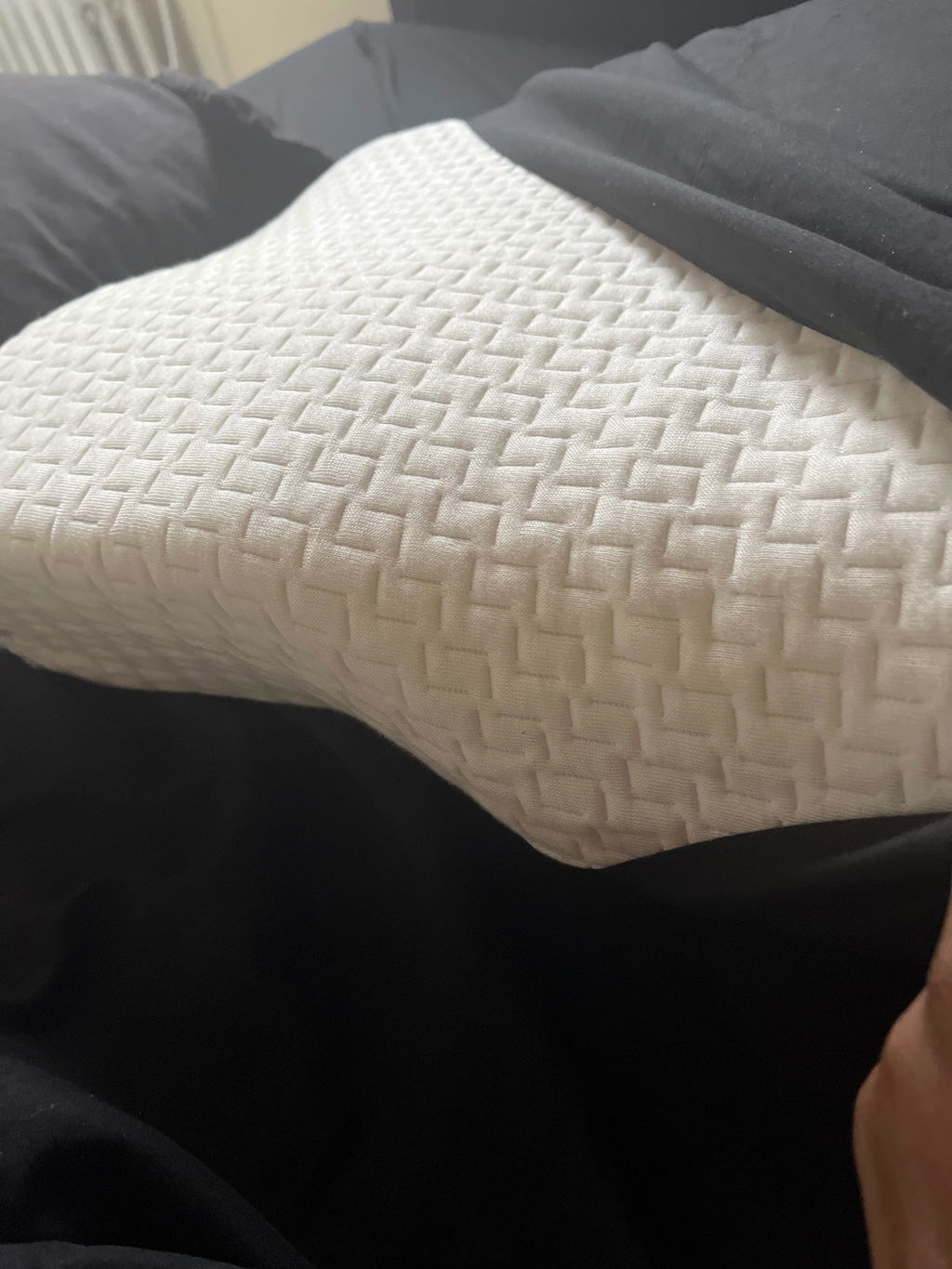
Best pillows for support when memory foam doesn't work
Introduction
If you have tried memory foam and still wake up with a stiff neck, sore shoulders, or a headache that starts at the base of your skull, you are not alone. Memory foam gets marketed as the answer for everyone, but its slow sink can be the exact problem for some sleepers. It can let your head drift out of cervical alignment. It can trap heat. It can also feel great for 10 minutes, then collapse into a shape that no longer gives real neck support.
The fix is not always a firmer memory foam pillow. Often, it is a different support system, a different fill, or a different shape that keeps your head and neck in a stable position through the night. This list focuses on pillows that support sleep posture without relying on that deep, slow foam sink.
You will also see practical tests you can do at home, plus a clear way to pick a pillow based on your sleep position, shoulder width, and how you respond to heat. If you are nervous about spending money again, look for brands that make returns simple. At Dosaze, we back our ergonomic pillows with a 60-night risk-free trial, plus free shipping & returns, because fit is personal and you need time to know.
Why memory foam fails for support (and what to replace it with)
Memory foam fails when it moves too much after you settle. Support is not just initial loft. It is the ability to hold your head at a consistent height so your neck stays neutral, especially in the 2-6 hours when you change positions without fully waking.
Three common reasons people quit memory foam are heat buildup, sink that is too deep, and a "stuck" feeling that makes you tense your shoulders when you turn. If any of those describe you, look for pillows that use springier materials, structured contouring, or adjustable fills that keep shape without trapping as much heat.
Quick fit check before you buy
Support depends on the gap between your neck and the mattress. That gap changes with sleep position and shoulder width, so the same pillow can feel perfect for one person and wrong for another.
- Side sleepers: You usually need a higher loft to fill the space from ear to shoulder. If your head tilts down toward the mattress, you need more height or firmer support.
- Back sleepers: You usually need medium loft with a neck roll or contour so your head does not tip forward. If your chin feels closer to your chest, the pillow is too high.
- Stomach sleepers: Most do best with very low loft, or no pillow, to reduce neck rotation. If you cannot stop stomach sleeping, pick the thinnest option you can tolerate.
A simple at-home test: lie down in your usual position and take a quick side photo at mattress level. Your nose should line up roughly with the center of your chest (back sleeping) or your spine should look straight from mid-back through neck (side sleeping). If not, change loft or pillow type.
Best pillows for support when memory foam doesn't work (ranked list)
1) Ergonomic cervical contour pillow (for consistent neck support)
If memory foam fails because your head sinks and your neck gets left behind, a cervical contour pillow is often the cleanest upgrade. The shape matters more than the material here. A defined neck cradle supports the curve of your neck so your head is not doing all the work.
Look for a contoured design with two height options (a higher and lower edge) so you can match your shoulder width. If you run hot, prioritize cooling features like ventilated construction or a cooling cover, since heat is a top reason people abandon foam-like feels. If you are unsure what counts as a contour vs a cervical design, see contoured pillow vs cervical pillow.
2) Dosaze ergonomic pillow (best for posture-focused support with a low-risk trial)
If you want an ergonomic pillow built around sleep posture, Dosaze is designed to keep cervical alignment steady while still feeling comfortable. The goal is pressure relief without that deep, slow sink that makes some sleepers feel unstable or overheated.
The practical advantage is the buying experience. You get a 60-night risk-free trial and free shipping & returns, which matters because support is hard to judge in a 30-second store squeeze. Real feedback we hear from customers is that the first few nights can feel different, then their neck settles once they stop "searching" for a position. If you want a deeper breakdown of why this design targets neck pain, see 6 reasons the Dosaze pillow is best for neck pain.
3) Latex pillow (best alternative to memory foam for buoyant support)
Latex is a strong pick when memory foam feels too slow and too warm. Latex pushes back. It is springy, so your head stays more "on" the pillow than "in" it, which can help reduce morning neck stiffness for people who collapse foam overnight.
Choose shredded latex if you want some moldability, or solid latex if you want the most consistent support. Pay attention to loft. A latex pillow that is too tall can push your head forward, especially for back sleepers.
4) Buckwheat pillow (best for firm, adjustable neck support)
Buckwheat hulls feel very different from foam. They shift like tiny pebbles and then lock into place, which makes them excellent at holding a custom shape under your neck. If you want support that does not compress over the night, buckwheat is worth a real try.
Two cautions: it can be noisy when you move, and it can feel too firm for people who want a plush surface. Start by removing 10-20% of the fill so the pillow is not overstuffed, then add back only if your head still drops.
5) Adjustable shredded fill pillow (best when you are between loft sizes)
Some people dislike memory foam because it is the wrong height, not because it is foam. Adjustable shredded fill pillows solve that by letting you add or remove fill until your head and neck sit level. If you want an adjustable option from Dosaze, consider the Dosaze Adjustable Pillow.
The trick is to actually do the adjustment. Set aside 15 minutes. Remove a few handfuls, sleep on it for 2 nights, then repeat. Keep the extra fill in a clean bag so you can reverse course if your neck feels strained.
6) Down-alternative pillow with a supportive core (best for soft feel without collapse)
If you want a plush top but still need structure, look for a "pillow-in-pillow" build. The outer layer feels soft, while an inner core holds height. This is often a better option than pure down-alternative, which can compress flat and force your neck into side-bend.
This style works well for combination sleepers who want comfort on their cheek but still need support when they roll to their side.
7) Water-based adjustable pillow (best for precise height control)
Water pillows let you dial in height in a measurable way. Add water for more loft and firmness, remove water for less. If you feel like you are always "almost" comfortable, this can be a practical solution.
Look for a design with a fiber layer on top, so you do not feel like you are lying on a water bag. Re-check the water level every few weeks since small air changes can alter feel over time.
8) Wedge or incline support pillow (best when you need upper-body elevation)
Sometimes the issue is not the pillow under your head. It is the angle of your upper body. If you prop yourself up with random pillows, your neck often ends up flexed forward.
A wedge supports your torso as one unit. That can reduce neck strain for people who read in bed, snore, or need elevation for comfort. Pair it with a thinner head pillow so your chin does not tuck. For a purpose-built option, see the Dosaze Therapeutic Cooling Wedge Pillow.
9) Side sleeper shoulder-cutout pillow (best for broad shoulders)
If you have broad shoulders, you may be forcing a standard pillow to do too much. Your shoulder lifts your head higher, so you need height, but too much height can push your neck the other way.
A shoulder-cutout design creates space for the shoulder so your head can stay level without extra loft. It is a niche pick, but when it fits, it solves a problem other pillows cannot. If this sounds like you, the Dosaze Contoured Orthopedic Side Sleeper Pillow is built for side sleeping alignment.
10) Neck roll plus a thin pillow (best modular setup for back sleepers)
Back sleepers often do better with targeted neck support rather than more head height. A small neck roll supports the cervical curve, while a thin pillow supports the head without pushing it forward.
This setup is also travel-friendly. You can pack the roll and use a hotel pillow for the head layer, then adjust the thickness with a towel if needed.
Comparison table: which option fits your problem?
| Pillow type | Best for | Feel | Watch out for |
|---|---|---|---|
| Ergonomic cervical contour | Neck support, stable posture | Structured, supportive | Needs correct height for your build |
| Latex | Buoyant support, cooler sleep | Springy, responsive | Too high can push head forward |
| Buckwheat | Firm, custom shaping | Very firm, moldable | Noise, firmness, weight |
| Adjustable shredded fill | Dialing in loft | Medium, adaptable | Takes time to adjust correctly |
| Down-alternative with core | Soft feel with support | Plush on top, supportive center | Cheaper builds go flat fast |
| Water-based adjustable | Precise height control | Supportive with cushioned top | Needs occasional re-tuning |
| Wedge/incline | Upper-body elevation | Firm, angled | Too much head pillow adds neck flexion |
How to choose the right support pillow (without guesswork)
Most pillow shopping goes wrong because people choose by softness in the hand. Support is about geometry. Your pillow should fill the space your body creates, then hold it for hours.
Use these three steps to narrow it down:
- Pick the support system: If you want stable shape, start with a contour pillow or latex. If you want precise adjustability, choose buckwheat or water.
- Match loft to your shoulder width: Side sleepers with wider shoulders usually need higher loft than petite frames. Back sleepers usually need medium to low head height with neck support. If you want more guidance here, read best pillow for side sleepers.
- Decide how you handle heat: If you wake up warm, avoid dense, slow-sinking materials and prioritize cooling covers or more breathable fills.
A contrarian but useful take: if you keep buying "softer" to fix pain, you may be moving the wrong direction. For many neck and shoulder pain patterns, you need steadier cervical alignment, which often means a pillow that feels a bit more structured at first.
What to expect when switching away from memory foam
When you change pillow type, your body may notice. If you have slept with your neck slightly bent for months, a better-aligned position can feel unfamiliar for a few nights.
Give it a fair test with a consistent setup. Keep your mattress and sleep position the same, and avoid stacking extra pillows. If you are trying an ergonomic pillow, test both height edges across several nights before you decide it is not for you.
FAQ
-
What pillow should I use if memory foam makes my neck hurt?
Neck pain often happens when a pillow lets your head sink too low or pushes it too high, which breaks cervical alignment. A cervical contour pillow or a buoyant latex pillow is usually a better choice than slow-sinking memory foam because it holds your neck at a steadier height. Take a side photo while lying down and choose the loft that keeps your head level with your spine. -
What is the best pillow for support if I sleep on my side?
Side sleeping needs enough height to fill the gap between your ear and shoulder, so your neck does not bend toward the mattress. The best support pillow for most side sleepers is an ergonomic contour pillow with a higher edge option, or an adjustable fill pillow that lets you add loft until your spine looks straight. If you have broad shoulders, consider a shoulder-cutout design to reduce the need for extra height. -
Are latex pillows better than memory foam for support?
Latex is often better for support if you dislike the deep sink and heat of memory foam because latex stays springy and holds its shape more consistently overnight. A solid latex pillow gives the most stable support, while shredded latex adds moldability with a little less structure. Choose the right loft first, since a latex pillow that is too tall can strain the neck even if the material is supportive. -
How long should I try a new pillow before returning it?
It takes several nights for your neck and shoulders to adapt to a new sleep posture, especially if your old pillow kept you slightly out of alignment. A fair test is about 2 weeks, adjusting loft or height once or twice instead of judging after one night. If you want low risk, choose a pillow with a 60-night risk-free trial and free shipping & returns so you can test it through real sleep, not just a quick feel. -
Why do I wake up with shoulder pain even with a supportive pillow?
Shoulder pain often comes from pressure at the shoulder joint or from a pillow that is the wrong height for your side-sleeping gap. The most direct fix is to match loft to your shoulder width, then use a pillow that holds that loft without collapsing, such as an ergonomic contour or latex option. If pressure is the issue, add a softer top layer or adjust your mattress topper so your shoulder can sink slightly while your neck stays supported.
Summary of top picks
- Best overall for posture support: Ergonomic cervical contour pillow
- Best low-risk buy: Dosaze ergonomic contour pillow (60-night risk-free trial, free shipping & returns)
- Best alternative material: Latex pillow
- Best firm and adjustable: Buckwheat pillow
- Best when loft is hard to dial in: Adjustable shredded fill pillow
Conclusion and next steps
If memory foam does not work for you, do not assume you are stuck with neck pain. In most cases, the fix is a pillow that holds a stable height and supports cervical alignment, with cooling comfort that does not make you toss and turn.
Next steps: pick your sleep position, measure your loft needs with a quick photo, then choose one of the support systems above. If you want an ergonomic option you can test at home without stress, start with the Dosaze Contour Pillow and use the 60-night risk-free trial with free shipping & returns.