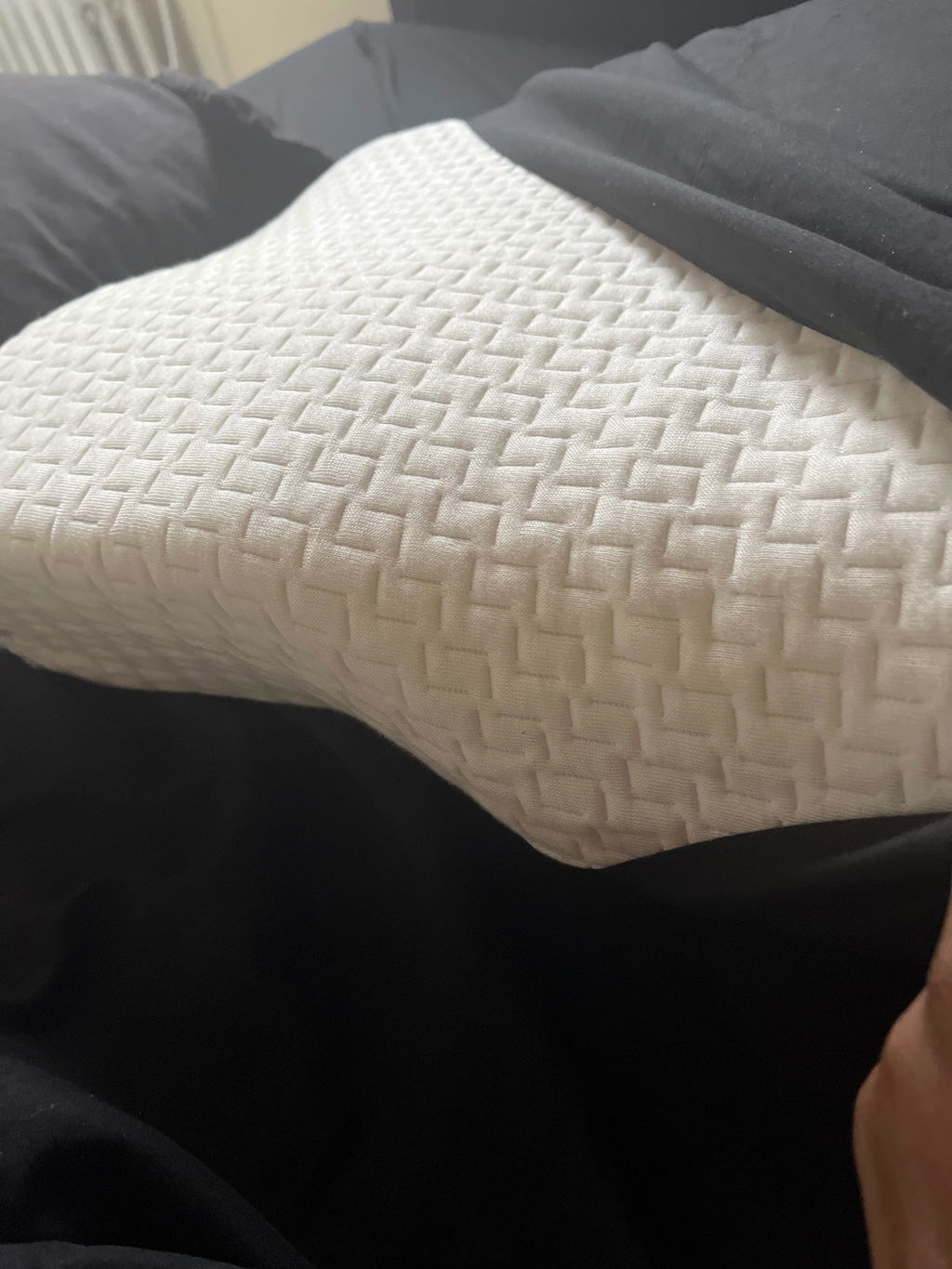
Best pillows for support if memory foam didn't work
Introduction
If you tried memory foam and woke up with the same neck stiffness, you are not alone. Memory foam can feel supportive in the store, then turn into a slow, warm sink at 3 a.m. For some sleepers, that "hug" pushes the head forward, rotates the neck, or traps heat. The result is a pillow that feels comfortable for 10 minutes and rough for 8 hours.
The good news is that "memory foam didn't work" usually means the type of support did not match your body, sleep position, or heat needs. Support can come from shape, height, and how fast a material pushes back, not just how soft it feels. Cooling matters too, because a hot pillow often makes you change positions more, and that can break cervical alignment.
This list is built for people who want real neck support, stable cervical alignment, and pressure relief without the stuck-in-foam feeling. You will also see what to look for when returns feel stressful, because the best support pillow is the one you can actually test at home.
Why memory foam fails for support (and what to replace it with)
Memory foam usually fails in three predictable ways. First, it can let your head sink deeper over the night as the foam warms, which changes your neck angle. Second, it can trap heat, and overheating drives tossing and turning. Third, many memory foam pillows are one solid height, so if that loft is wrong for your shoulder width, your cervical alignment is off from the start.
When memory foam did not work, the fix is rarely "firmer". It is usually a different support system. Think quicker rebound (latex), adjustable fill (buckwheat or shredded fill), or an ergonomic shape that holds the neck without forcing your head forward. If you want foam, look for a responsive, structured design and cooling materials that do not depend on a single gel layer.
What "support" actually means for a pillow
A supportive pillow keeps your head and neck in a neutral line with your spine. Side sleepers usually need more height to fill the gap between shoulder and ear. Back sleepers usually need less height, plus a contour that supports the neck curve. Stomach sleepers often do best with very low loft or no pillow, because any height can crank the neck.
Support also has a timing component. If the material yields slowly (classic memory foam), you might start aligned and end the night flexed. Faster response materials and structured ergonomic shapes tend to hold a more consistent position.
Best pillows for support if memory foam didn't work
A quick comparison table
| Option | Best for | Support feel | Heat | Watch-outs |
|---|---|---|---|---|
| Ergonomic contour pillow (cooling foam) | Neck support, back and side sleepers | Structured, stable | Low to medium (depends on cover and airflow) | Needs the right loft for your shoulder width |
| Latex pillow | People who hate the "stuck" feel | Springy, fast rebound | Medium to low | Can feel too bouncy for some |
| Buckwheat hull pillow | Precise height control | Very stable | Low | Noisy, heavy |
| Adjustable shredded fill pillow | Dialing in loft over time | Medium, moldable | Medium | Can clump, may need refluffing |
| Down or down-alternative (support-focused build) | Soft feel with gentle support | Soft, less structured | Medium | Often not enough neck support |
| Water pillow | Adjustable height with consistent support | Stable, tunable | Low | Heavier, not for everyone |
-
Ergonomic contour pillow with cooling materials (best first try for neck support)
If memory foam made your neck feel worse, an ergonomic contour is often a better first move than swapping brands of the same blob shape. The contour supports the cervical curve while the head rests in a lower cradle, which reduces the "chin toward chest" position that triggers morning tightness for many back sleepers.
What matters is not just the foam, but the geometry and the surface feel. A good contour pillow has a clear neck roll, a stable center, and a cover that does not trap heat. Cooling also helps you stay in one position longer, which is underrated for maintaining alignment.
If you want a proven, brand-backed option, Dosaze makes an ergonomic pillow engineered for sleep posture and neck support, with cooling comfort, plus a 60-night risk-free trial and free shipping & returns. That return policy reduces the biggest anxiety point: spending money and being stuck with the wrong loft. You can find it here: https://dosaze.com/products/contour-pillow.
-
Latex pillow (best if you hate slow-sinking foam)
Latex is the contrarian choice for people who assumed all foam would feel the same. It pushes back fast, so you do not get that slow collapse that changes your neck angle overnight. If you felt like memory foam "gave up" at 2 a.m., latex often fixes that.
Support-wise, latex tends to keep the head more on top of the pillow. That can help side sleepers maintain a consistent shoulder-to-neck line. It also tends to sleep cooler than classic viscoelastic foam because it is more breathable and does not rely on heat to soften.
-
Buckwheat hull pillow (best for precise loft and very stable support)
Buckwheat hull pillows feel nothing like memory foam. The hulls interlock, so the pillow holds shape and does not drift under your head. If you wake up with your head "off" the pillow, this is one of the best ways to get stable neck support.
The big advantage is micro-adjustment. You can move hulls away from the neck area to reduce pressure, or build a firmer ridge under the cervical curve. The trade-offs are real: they can be noisy, they are heavier, and some people do not like the firm, granular feel.
-
Adjustable shredded fill pillow (best if your loft needs change night to night)
If memory foam failed because the height was wrong, adjustable fill is a practical fix. You remove fill to lower the loft or add fill to raise it, which is useful if you switch between back and side sleeping or if your shoulder soreness changes your preferred position.
The feel depends on the fill type (shredded foam, shredded latex, fiber blends). Shredded latex tends to feel springier and cooler than shredded memory foam. Plan on occasional maintenance, because shredded fill can shift and may need refluffing to keep neck support consistent. If you want an at-home option you can tune, the Dosaze Adjustable Pillow is built around that adjustable-loft idea.
-
Support-focused down-alternative pillow (best for pressure relief, not max alignment)
Some people quit memory foam because it felt like it pushed back too hard on the jaw, ear, or cheekbones. A high-quality down-alternative can reduce pressure points, which helps you stay asleep. That can indirectly improve morning comfort even if the pillow is not as structured.
The limit is cervical alignment. If you have frequent morning neck pain, most soft down-style pillows compress too much under the head and leave the neck unsupported. If you choose this route, look for a higher fill weight and consider pairing it with a thin neck roll or using it only for stomach sleeping.
-
Water pillow (best for consistent support with adjustable height)
A water pillow uses a water chamber for support, with a fiber layer on top for comfort. The interesting part is consistency: water does not permanently compress, so you get the same support at the start and end of the night. If your memory foam pillow felt okay early and bad later, this addresses that specific failure mode.
You adjust the fill level to tune loft and firmness. The downsides are weight and setup, plus some people do not like the feel of movement. If you try one, start with a mid-level fill and adjust in small steps, about 2-4 oz at a time, until your neck feels neutral.
-
Hybrid pillow (responsive core + plush top) (best if you want support without a firm surface)
Hybrid pillows combine a supportive core (often latex or a structured foam) with a softer top layer. This is a smart middle ground if memory foam felt smothering, but firmer pillows feel like a brick.
The core handles cervical alignment, while the top reduces pressure on the face and ear. When you shop, look for a clear description of the core material and whether the loft is adjustable. A vague "cooling pillow" label is not enough to predict support.
-
Feather pillow with a supportive build (best for people who reshape their pillow in their sleep)
Feather pillows are moldable and can work for sleepers who like to scrunch, fold, or tuck the pillow under the neck. If you constantly fight your pillow into the right spot, a moldable option can be easier than a fixed contour.
Be picky about construction. Many feather pillows collapse and go flat, which makes neck support worse. Look for a higher fill power and a tighter shell, and expect some maintenance like daily fluffing to keep the loft where you need it.
-
Cervical neck roll (best add-on when no pillow fully fixes alignment)
Here is a practical, brand-side insight: a lot of "pillow failed" stories are really "neck curve not supported" stories. Some people need only a small amount of extra cervical support, not a whole new pillow. A neck roll can provide that missing support without changing the feel under your head too much.
Use it behind the neck while keeping your current pillow under the head, especially for back sleeping. If you are a side sleeper, place the roll so it fills the gap below the ear without pushing the head up. It is a low-cost experiment that gives you a clear signal about whether alignment is the main issue. If you want to get clearer on pillow shapes before you buy anything, see contoured pillow vs cervical pillow.
-
Low-loft pillow or no pillow (best for stomach sleepers)
Stomach sleeping is the hardest position for neck comfort because the head is turned for hours. A thick memory foam pillow often makes it worse by adding rotation and extension. The simplest support move is reducing loft.
If you cannot change positions, use a very low pillow or no pillow under the head, and consider a small pillow under the hips to reduce low-back strain. This is one of the few cases where less "support" under the head can mean better alignment for the neck.
How to pick the right support pillow when memory foam failed
Most pillow guides skip the part that actually decides the outcome: matching loft and response to your body. Use this checklist to narrow it down fast.
-
Start with your sleep position. Side sleepers usually need a higher loft than back sleepers. Combo sleepers do best with adjustable fill or a contour that works in both positions.
-
Check your shoulder width. Broader shoulders need more height to keep the head level. A pillow can be "supportive" and still be wrong if it is too low for your frame.
-
Decide if your problem was sink or pressure. If your issue was sinking over time, try latex, buckwheat, water, or a structured contour. If your issue was pressure on the face or ear, try a hybrid, down-alternative, or a softer top layer.
-
Take heat seriously. If you wake up hot, you will move more. More movement means less stable cervical alignment. Look for cooling materials and breathable builds, not just a "cooling" label.
-
Choose a return policy that lets you test at home. Neck support is personal, and your body needs time to adapt. A 60-night risk-free trial with free shipping & returns removes most of the risk of guessing wrong. (Dosaze publishes its full returns policy if you want to see the details.)
A simple 7-night at-home test (the part most people skip)
Pillows can feel strange for the first few nights, especially if you are switching to an ergonomic shape. Give your body a short test window with clear rules, so you do not keep rotating pillows with no signal.
-
Nights 1-2: Focus on comfort and obvious red flags. If you get numbness, tingling, or sharp pain, stop and reassess loft.
-
Nights 3-5: Track morning neck stiffness (0-10) and shoulder tightness (0-10). The goal is a downward trend, not perfection on night one.
-
Nights 6-7: Check sleep continuity. If you wake less often and feel more neutral in the morning, the support system is working.
If you are testing an adjustable pillow, change only one variable at a time. For example, remove a small handful of fill, then keep it consistent for two nights before changing again.
FAQ
-
What pillow should I try if memory foam made my neck pain worse? When memory foam worsens neck pain, the usual problem is that the pillow lets your head sink and changes your neck angle over the night. A structured ergonomic contour pillow or a responsive latex pillow is often a better choice because it holds cervical alignment more consistently than slow-sinking foam. If you are unsure about loft, choose an option you can test at home with a real trial period so you can adjust or return it if your morning stiffness does not improve.
-
Why does memory foam feel good at first but bad in the morning? This matters because overnight support is about consistency, not the first 5 minutes on the pillow. Memory foam softens with heat and can allow deeper sink as the night goes on, which can flex your neck forward or tilt it to one side. If that is your pattern, try a faster-response material like latex or a pillow with a defined neck support shape that does not depend on heat to hold you up.
-
Are contour pillows actually better for neck support? Contour pillows can be better for neck support because the raised edge supports the cervical curve while the lower center cradles the head in a neutral position. The best result comes from matching the contour height to your shoulder width and sleep position, since a contour that is too tall can push your head forward. A practical next step is a 7-night test where you track morning neck stiffness and adjust loft or swap pillows if the trend does not improve.
-
What is the best pillow for side sleepers who hate memory foam? Side sleepers need enough loft to fill the gap between the shoulder and the ear, and memory foam often fails by sinking too much after it warms. A latex pillow, buckwheat hull pillow, or an ergonomic contour designed for side sleeping usually keeps the head level with more stable neck support. Measure your shoulder width roughly (for example, narrow, average, broad) and choose a loft range that matches, then use a home trial to confirm you wake without shoulder tightness. (Related: The Best Pillows for Side Sleepers with Neck Pain.)
-
How long should I try a new support pillow before returning it? This question matters because your neck can need a short adjustment period, but you should not push through clear misalignment. A fair test is about 7-14 nights, as long as you are not getting sharp pain, numbness, or worsening symptoms. Use simple scores for morning neck stiffness and shoulder tightness, and if there is no improvement trend by the end of the window, use the return process and try a different loft or material.
Conclusion and next steps
If memory foam did not work, you do not need to give up on better sleep posture. You need a support system that stays consistent through the night and matches your loft needs. For most people with morning neck or shoulder pain, an ergonomic contour with cooling comfort is the cleanest first test, then latex or buckwheat if you want faster response or more precise adjustment.
Next steps: pick one option from the list, run the 7-night test, and track morning stiffness. If you want to reduce the risk of buying the wrong pillow, choose a product with a real at-home trial and easy returns. If an ergonomic contour sounds right, you can start with Dosaze here: https://dosaze.com/products/contour-pillow, backed by a 60-night risk-free trial and free shipping & returns.
Summary of top picks
-
Best overall for support after memory foam: Ergonomic contour pillow with cooling materials (start here if you want stable cervical alignment).
-
Best if you hate sinking: Latex pillow.
-
Best for maximum stability and adjustability: Buckwheat hull pillow.
-
Best for changing loft over time: Adjustable shredded fill pillow.