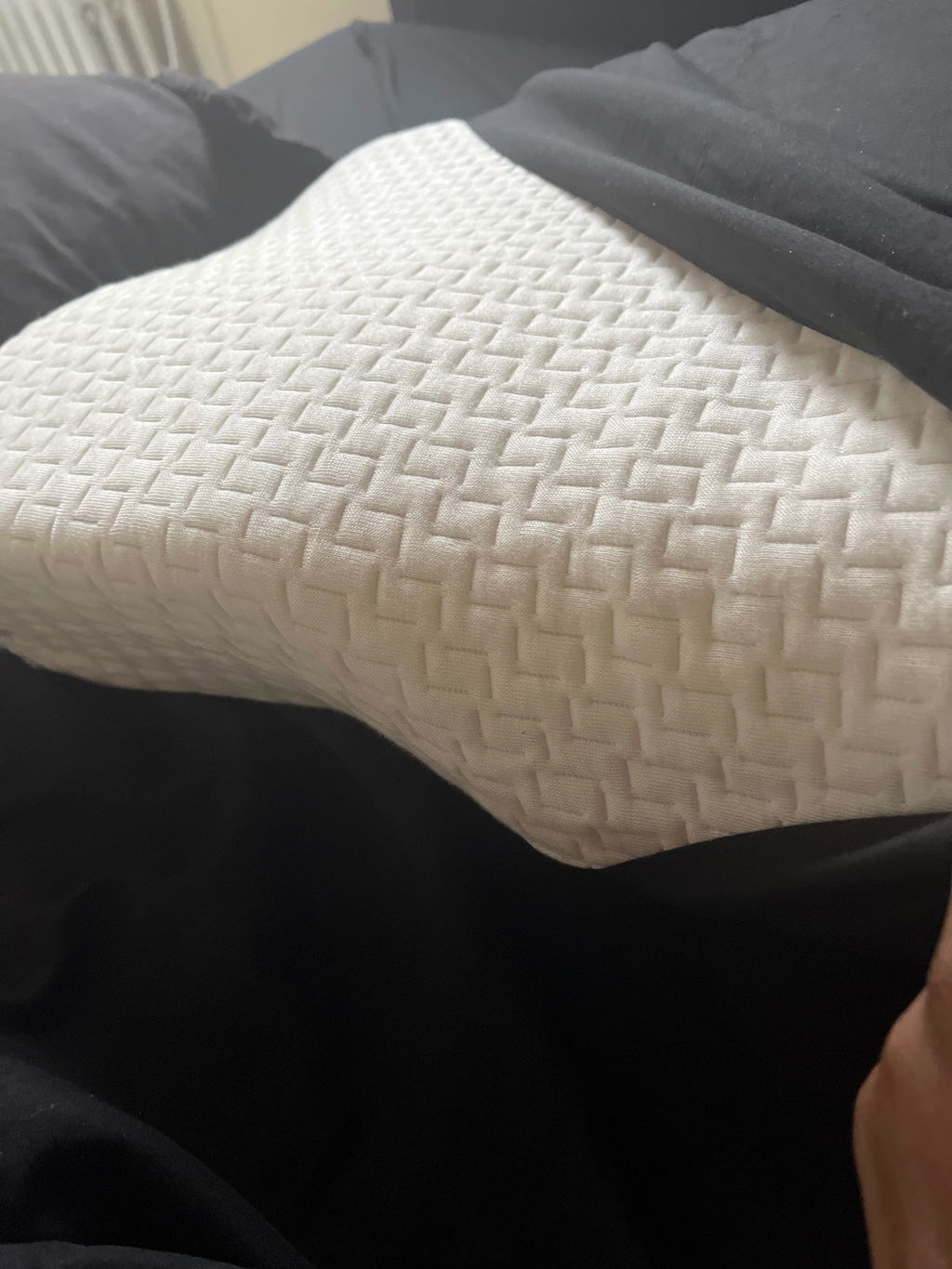
Best pillows if memory foam didn't work: Top alternatives
Introduction
If memory foam made your neck feel worse, slept hot, or left you stuck in one position, you are not alone. Memory foam is designed to soften with heat and slowly rebound, which can feel supportive for some sleepers. For others, that slow response can hold the head in a slight twist, flatten under the neck, or trap warmth around the face.
The good news is that "memory foam didn't work" does not mean "no pillow will." It usually means the material response, firmness curve, or loft was wrong for your sleep posture. The fix is often choosing a pillow that keeps steadier cervical alignment, gives pressure relief without sink, and stays cooling through the night.
This list focuses on pillow types that behave differently than classic memory foam, plus a few design approaches that solve the real issue: consistent neck support. You will also see how we think about fit at Dosaze, based on what customers tell us after switching from foam pillows, and how to lower the risk of wasting money on another "almost right" pillow.
Why memory foam fails for some sleepers
Most memory foam complaints come down to one of three things: heat, slow rebound, or loft that changes too much under load. If your head sinks and stays sunk, your neck may bend to one side or tilt forward.
Another common problem is that many foam pillows feel soft at first, then "bottom out" as the foam warms. That can reduce neck support right when your muscles relax most, which is often why you wake with neck or shoulder pain.
How to pick an alternative (quick fit checks)
A pillow alternative should solve the specific failure you had with memory foam. Use these fast checks before you buy.
- Rebound test: Press your hand in and release. If it springs back quickly, it is less likely to "lock" you in one spot.
- Neck gap check: Lie on your side and slide two fingers into the space between neck and pillow. If there is a big gap, you need more contour or loft. If you cannot slide a finger in, the pillow is likely too high.
- Heat test: If you run warm, prioritize breathable fills (latex, buckwheat, down alternative, wool) or designs with airflow channels and cooling covers.
- Adjustability: If you have "in-between" shoulder width, adjustable fill can beat guessing a fixed loft.
Top alternatives if memory foam didn't work
A quick comparison table
| Pillow type | Best for | Common downside | What to look for |
|---|---|---|---|
| Ergonomic contour (non-memory foam feel) | Neck pain, posture support | Fit matters | Two loft options, cooling cover, trial period |
| Latex (Talalay or Dunlop) | Hot sleepers, combination sleepers | Higher bounce can feel "lively" | Ventilated core, medium loft, washable cover |
| Buckwheat hull | Maximum adjustability, firm support | Noise, weight | Zip fill access, quality hulls, sturdy liner |
| Down or down alternative | Soft feel, stomach sleepers | Can compress flat | Higher fill power or structured chamber design |
| Feather-down blend (core + down) | Soft top with more support | Feathers can poke | Double-stitched shell, higher thread count |
| Kapok (plant-based) | Plush, breathable alternative fill | May clump if not refluffed | Adjustable fill, mixed fiber for stability |
| Wool | Temperature regulation, medium firmness | Heavier feel | Layered batting, removable cover |
| Water pillow | Precise height tuning | Setup, slosh risk if underfilled | Stable baffle, good outer fill, clear fill guide |
| Gel fiber / cooling poly fill | Cooler feel than foam, easy care | Support varies by quality | Cluster fill, gusseted edges |
1) Ergonomic contour pillows (for stable cervical alignment)
If memory foam failed because your neck never felt "held," a true ergonomic contour pillow is often the fastest upgrade. The goal is simple: support the curve under your neck so your head is not doing all the work.
The contrarian point is that softness is not the target. Consistent cervical alignment is. Many people chase a softer pillow after foam fails, then wake with more shoulder tension because the pillow collapses.
At Dosaze, we focus on an ergonomic shape engineered for sleep posture, paired with materials chosen for both support and cooling. Our customers who switch from classic foam often mention two wins: they move more easily at night, and they stop stacking pillows to "build" neck support. If you are anxious about choosing wrong, prioritize a pillow with a 60-night risk-free trial and free shipping & returns so you can test it through real weeks, not one night.
2) Latex pillows (best if you hated the slow sink)
Latex is the most common "I wish I'd tried this first" alternative to memory foam. It responds fast, pushes back more evenly, and usually sleeps cooler because it does not rely on heat to soften.
Talalay latex tends to feel lighter and more buoyant. Dunlop latex often feels denser and a bit firmer. Either way, latex can give strong neck support without that stuck-in-the-pillow feeling that some people get with foam.
What to watch for: loft. A thick latex pillow plus a soft mattress can put your head too high, especially for back sleepers. If you are mostly on your back, look for a medium loft and a ventilated core for airflow.
3) Adjustable buckwheat hull pillows (best for "in-between" bodies)
If your main issue was "no pillow height feels right," buckwheat is a practical fix. The hulls flow and lock into place, so you can create a shallow cradle for your head while keeping firm support under the neck.
Buckwheat can feel surprisingly stable. That stability is why some side sleepers with shoulder pain like it, since it reduces collapse when the shoulder sinks into the mattress.
Downsides are real: buckwheat pillows are heavier, and the hulls can make a soft rustling sound. Look for a zipper so you can remove hulls to dial in loft, and a strong inner liner so the pillow holds up over time.
4) Down pillows (best for stomach sleepers and soft feel)
Stomach sleepers often struggle with memory foam because it is too thick and too slow to get out of the way. Down can work better because it compresses easily, keeping your neck from being forced into extension.
The catch is support. A basic down pillow can flatten quickly, and then your head ends up on the mattress. If you want down, look for higher fill power and a construction that keeps loft in the center instead of drifting to the edges.
If you wake with neck pain on down, it usually means you need a bit more structure, not a different softness level. A chambered design or a blended option can help.
5) Feather-down blends (soft on top, steadier underneath)
Feather-down blend pillows aim for a middle ground: a softer surface with more pushback than pure down. Many use a feather core with a down wrap.
This can be a good option if memory foam felt smothering, but fully plush pillows left you unsupported. The feather core resists bottoming out, which can improve cervical alignment for some back sleepers.
Buy carefully. Lower quality versions let feathers poke through. A tightly woven shell and better stitching make a bigger difference here than most people expect.
6) Kapok fill pillows (plant-based, breathable, adjustable when done right)
Kapok is a natural fiber often described as a "silkier" alternative fill. It tends to feel airy and can sleep cooler than many foams.
Kapok shines when it is adjustable. If it is overstuffed, it can feel puffy and push your head forward. If it is understuffed, it can clump and lose neck support. A zippered design lets you remove some fill and keep the pillow in a better range.
If you try kapok, plan to refluff it regularly. That is normal for loose fills. If you do not want maintenance, latex or an ergonomic contour pillow is usually easier.
7) Wool pillows (best for temperature regulation without "cold" feel)
Wool is a strong choice if memory foam slept hot but you do not like the slick feel of "cool touch" fabrics. Wool manages moisture well, which helps your pillow feel drier and more comfortable through the night.
Support depends on how the wool is constructed. Layered wool batting tends to feel firmer and more structured than loose wool fill. For side sleepers, that structure can help keep your neck from dipping.
Expect a slightly heavier pillow and a more "solid" feel. If you want a fluffy hotel pillow vibe, wool may not match your preference.
8) Water pillows (most precise height tuning)
A water pillow uses a water pouch for adjustable height and firmness. You fill it to the level that keeps your head neutral, then the outer layer adds a more familiar feel.
This is one of the few designs where you can adjust support in small steps. If you are stuck between two lofts in most pillows, water can solve that problem.
It is not for everyone. There is setup, and it is smart to follow the fill guide so you do not end up with sloshing or instability. If you want "set it and forget it," latex or an ergonomic pillow is simpler.
9) Gel fiber or cooling poly fill (easy care, often cooler than foam)
Some people quit memory foam because of heat, but still want an easy, washable pillow that feels soft. Gel fiber and some premium poly fills can be a decent compromise.
The main issue is edge support. Basic poly pillows collapse on the sides, which can pull your neck out of alignment. Look for cluster-style fills and gusseted construction, since both help the pillow hold shape.
This category has a wide quality range. If you are buying primarily for neck pain, it is usually better as a secondary option than a first choice.
10) Hybrid designs (structured core with a breathable top layer)
Hybrid pillows combine materials to avoid the extremes. A common setup is a supportive core with a softer, more breathable surface layer.
Hybrids can work well for combination sleepers who change positions and want consistent support without the "stuck" feeling. They can also reduce heat by moving the cooling layer closer to your skin.
When you shop hybrids, pay attention to what the core is. If it is still classic memory foam, you may end up with the same problem again. Look for faster response support and a cover designed for airflow.
Which alternative should you choose? A clear recommendation
If your main problem was heat and slow sink, start with latex. It is the closest "swap" for foam users who still want contouring, but it responds faster and often sleeps cooler.
If your main problem was waking with neck and shoulder pain, start with an ergonomic contour pillow designed for stable cervical alignment. Shape usually matters more than fill when pain is the primary concern, because a good contour supports the neck curve without you having to fold, stack, or punch the pillow into position.
If your main problem was never finding the right height, pick buckwheat or a truly adjustable fill pillow. It is the most direct way to tune loft to your shoulder width and mattress firmness.
A practical "one-week test" to know if the new pillow is working
Give a new pillow at least 7 nights unless it causes sharp discomfort. Your body needs a little time to adapt to improved posture, especially if you have been sleeping with poor alignment for months.
- Morning check: Your neck should feel neutral, not cranked to one side. Mild stiffness that fades after 10-20 minutes can be normal early on. Pain that ramps up day after day is a red flag.
- Shoulder check (side sleepers): If your lower shoulder goes numb, the pillow may be too high or too firm at the edge.
- Heat check: If you wake up flipping the pillow for the "cool side," prioritize breathability and cooling textiles next.
- Position freedom: If you feel trapped in one position, avoid slow-response materials and consider latex or buckwheat.
If you are worried about getting stuck with the wrong choice, a 60-night risk-free trial and free shipping & returns changes the math. You can test on your own mattress, with your normal sleep habits, and send it back if it is not the right fit.
FAQ
What pillow should I try if memory foam made my neck pain worse?
This matters because neck pain is usually an alignment problem, not a softness problem. If memory foam made your neck pain worse, the best next option is an ergonomic contour pillow or a responsive latex pillow that keeps your head level and supports the neck curve without slow sink. Start by matching the pillow loft to your sleep position, then use a real at-home trial period long enough to assess morning pain over at least 7-14 nights. If you want more detail on pillow types, see contoured pillow vs cervical pillow.
Why do some people sleep worse on memory foam pillows?
This question matters because "memory foam" describes a slow-response feel that does not match every body or sleep style. Some people sleep worse on memory foam because it softens with heat and rebounds slowly, which can trap warmth and allow the head to sink in a way that bends the neck out of neutral alignment. If you wake up hot or feel stuck in one position, switch to a more breathable, faster-response option like latex, buckwheat, or a structured ergonomic design.
What is the coolest pillow material if memory foam sleeps hot?
Cooling matters because heat buildup can cause micro-wakeups and more tossing and turning. If memory foam sleeps hot for you, latex and buckwheat hull pillows are often cooler because they allow more airflow and do not rely on heat to soften. For the best result, pair the material with a breathable cover and avoid thick, non-breathable pillow protectors that can block airflow.
Are adjustable pillows better than fixed loft pillows?
This matters because the "right" pillow height depends on your shoulder width, mattress firmness, and sleep position. Adjustable pillows are often better if you have struggled to find the correct loft, because you can add or remove fill until your neck stays neutral on your back and your head stays level on your side. If you already know you prefer a specific height and feel, a fixed loft ergonomic pillow can be simpler and more consistent night to night.
How long should I try a new pillow before returning it?
This matters because your muscles can take time to adapt to improved sleep posture, especially if your old pillow was pushing your neck out of alignment. In most cases, try a new pillow for at least 7 nights, and ideally 14 nights, unless it causes sharp pain or numbness that does not improve. Track a simple note each morning for neck pain, shoulder tension, and heat so you can make a clear keep-or-return decision during the trial window. If you are considering Dosaze, you can also read the Dosaze Contour Pillow FAQ.
Summary of top picks
- Best for neck pain and posture: Ergonomic contour pillow designed for cervical alignment and stable neck support. Learn more about why some sleepers choose Dosaze in 6 reasons Dosaze pillow is best for neck pain.
- Best if you hated slow sink: Latex pillow, preferably ventilated, for faster response and cooler sleep.
- Best for dialing in height: Adjustable buckwheat hull pillow for firm, shapeable support.
- Best for stomach sleepers: Down or down alternative with low loft and easy compression.
- Best for temperature regulation without a slick feel: Wool pillow with structured batting.
Conclusion and next steps
If memory foam didn't work for you, focus on the failure point: heat, slow rebound, or unstable loft. Then pick an alternative that behaves differently, not just a different brand of the same feel.
If your priority is reducing morning neck and shoulder pain, choose a pillow built around ergonomic neck support and consistent cervical alignment. If you are nervous about spending money and guessing wrong, make your next step a pillow that offers a 60-night risk-free trial with free shipping & returns, so your decision is based on real sleep, not a five-minute showroom test.
Tonight, do one thing: check whether your head stays level on your side and neutral on your back. That one check will point you toward the right material and the right loft faster than any marketing claim. If you are a side sleeper, this guide may help: best pillow for side sleepers.