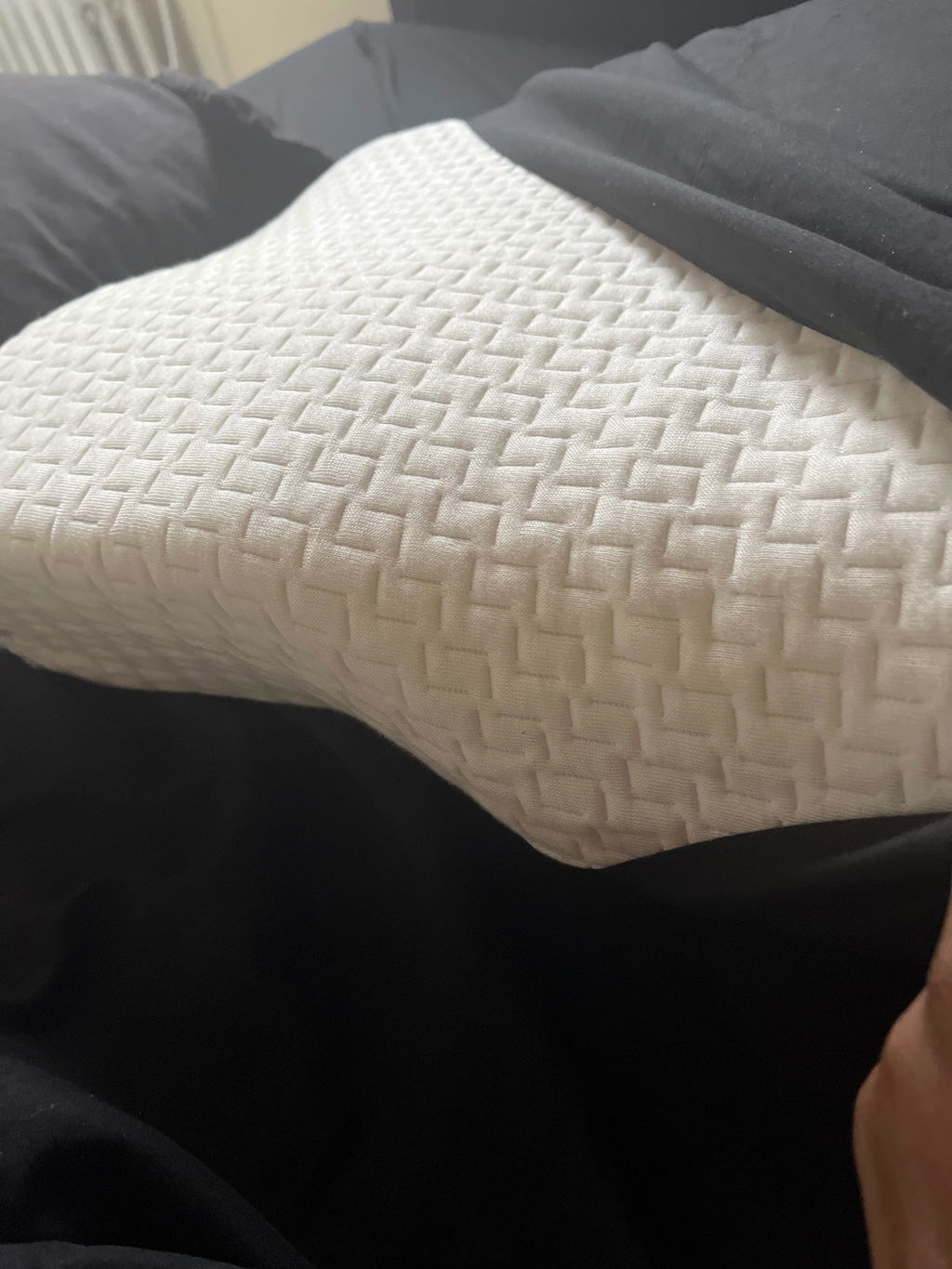
Best Pillows If Memory Foam Didn't Work: Top Alternatives
Introduction
If memory foam didn’t work for you, you’re not picky—you’re learning what your body actually needs at night. Some people sink too far and wake up with a stiff neck. Others feel “stuck” and overheat. And some just never get consistent cervical alignment because the foam softens with body heat and changes shape through the night.
The good news: you have strong options that don’t rely on that slow-sinking feel. In this guide, you’ll find the best pillow types to try next, what they’re best at (neck support, pressure relief, cooling, or adjustability), and who should skip them. I’ll also share a practical way to test a new pillow so you don’t repeat the same expensive mistake.
One contrarian insight we see often: the issue isn’t always “memory foam.” It’s the wrong geometry for your sleep position. A pillow can use premium foam and still fail if the loft doesn’t match your shoulder width or if the shape doesn’t support your neck curve. That’s why several picks below focus on ergonomic design first, then materials.
Why memory foam fails (and what to look for instead)
Most memory foam pillows fail for three reasons: heat buildup, inconsistent support, or the wrong height. Traditional viscoelastic foam can trap warmth and soften as it warms, which can change your neck angle over the night.
When you shop for an alternative, prioritize these three checks:
- Stable neck support: Your head should feel cradled while your neck stays supported, not floating. You want cervical alignment—ear roughly stacked over shoulder.
- Pressure relief without sinking: Look for materials that compress a little but don’t let your head “bottom out.”
- Cooling and airflow: Breathable fills, ventilated cores, or cooling covers matter if you run warm.
Top alternatives to memory foam pillows (ranked list)
1) Latex foam (responsive, cooler, and more consistent support)
If you disliked the “stuck” feel of memory foam, latex is the cleanest next step. Latex pushes back faster, so you get ergonomic support without the slow sink. That stability helps many sleepers keep better cervical alignment through the night.
Latex also tends to sleep cooler because it’s more breathable than traditional memory foam, especially in ventilated designs. The feel is bouncy, not rigid—great if you change positions and don’t want to fight your pillow to move.
Best for: combination sleepers, hot sleepers, people who want consistent neck support.
2) Buckwheat pillow (maximum adjustability and “locked-in” neck support)
Buckwheat hull pillows feel very different from foam: they’re structured, adjustable, and surprisingly good at holding a custom shape. You can move the hulls to build a firmer ridge under your neck, which can improve cervical alignment for side and back sleepers.
The big trade-off is feel and sound. Buckwheat can be noisy when you shift, and it’s heavier than most pillows. But if your main issue was that memory foam kept collapsing or changing overnight, buckwheat’s stability can be a relief.
Best for: people who want firm, customizable neck support and strong airflow.
3) Water pillow (adjustable loft with steady support)
A water-based pillow lets you tune pillow height and firmness by adding or removing water. That’s useful if memory foam felt fine at first but failed once you realized the loft wasn’t right for your shoulder width.
Water provides stable support because it redistributes under load instead of compressing permanently. If you wake up with morning neck or shoulder pain, being able to adjust in small increments can help you find a “just right” cervical angle.
Best for: sleepers who need precise loft tuning and consistent support.
4) Down alternative microfiber (soft comfort without the heat trap)
Some people blame memory foam when the real issue is overheating. A quality down alternative pillow can feel cooler and lighter, with a more traditional “hotel pillow” comfort.
Be selective here. Many microfiber pillows feel great at first but compress too much for real neck support. If you choose this route, look for higher fill weight and a gusseted design so it holds shape better.
Best for: stomach sleepers (who need lower loft), back sleepers who like a softer feel, hot sleepers who dislike foam heat.
5) Down or feather blend (moldable pressure relief, but needs maintenance)
Down and feather blends excel at pressure relief and moldability. You can shape the pillow to support your neck, and it won’t trap heat the way traditional memory foam often does.
The downside is consistency. You may need to fluff and reshape during the night, and some people find feather quills uncomfortable. If you want “set it and forget it” ergonomic support, down blends may feel too variable.
Best for: sleepers who want a plush, moldable pillow and don’t mind regular fluffing.
6) Wool pillow (temperature regulating and resilient)
Wool is a strong pick for people who run hot but still want a supportive, premium feel. Wool fibers manage moisture well and resist overheating better than many foams.
Wool pillows tend to feel springy and supportive, but they’re not as instantly “cushy” as down. Over time they can compress; choosing an adjustable design (where you can add or remove wool) helps maintain loft and neck support.
Best for: hot sleepers, people who want a more natural feel with steady support.
7) Kapok pillow (airy, soft, and more supportive than down alternative)
Kapok is a plant-based fiber that feels fluffy like down but often holds its loft better. Many sleepers describe it as a “lighter” cushion that still offers decent neck support when filled properly.
If memory foam felt too dense or too warm, kapok can be a comfortable middle ground. The key is getting the loft right for your sleep position—too much fill can push your head forward; too little can cause neck strain.
Best for: sleepers who want soft, airy comfort but need more structure than a basic microfiber pillow.
8) Adjustable shredded foam (if you hated solid memory foam, but still want tuneable support)
This is the “give foam one more chance” option. Shredded foam pillows let you change loft by adding or removing fill, which solves one of the biggest reasons solid foam fails: wrong height.
However, shredded foam can still retain heat depending on the foam type and cover. If you go this route, choose a design with airflow channels or a cooling cover, and aim for a supportive but not overstuffed feel so your neck stays aligned.
Best for: sleepers who want adjustable loft and a familiar foam feel, but need better cooling and flexibility.
9) Cervical contour pillow (shape-first ergonomic support)
If memory foam didn’t work because your neck never felt supported, consider a pillow designed around cervical alignment first. A cervical contour shape supports the neck curve while cradling the head, which can reduce the “floating neck” problem common with soft, flat pillows.
This category can use different materials, but the win is geometry. The right contour height should match your shoulder width and sleep position so your head stays level instead of tilting up or down.
Best for: back and side sleepers who wake up with neck/shoulder pain and want direct neck support.
10) Hybrid pillow (support core + plush top for pressure relief)
Hybrid pillows combine a supportive inner structure with a softer outer layer. The goal is simple: stable neck support underneath, comfortable pressure relief on top.
This setup can work well if memory foam felt supportive but uncomfortable, or comfortable but unsupportive. A hybrid approach reduces the extremes—less sink than solid memory foam, but less firmness than structured fills like buckwheat.
Best for: sleepers who want a premium, balanced feel with fewer trade-offs.
How to pick the right alternative (based on why memory foam failed)
| What went wrong with memory foam | Most likely fix | Top alternatives to try |
|---|---|---|
| Too hot / sweaty | More airflow + less heat-softening | Latex, wool, buckwheat, down alternative |
| Felt stuck / hard to move | More responsive material | Latex, hybrid, down/feather blend |
| Neck pain despite “support” | Better geometry + correct loft | Cervical contour, water pillow, buckwheat |
| Went flat or changed overnight | More stable structure | Buckwheat, water pillow, latex |
| Too firm / pressure points | More surface plushness | Hybrid, down/feather blend, kapok |
A practical 7-night test (so you don’t waste money again)
If memory foam didn’t work, don’t judge your next pillow in 20 minutes. Do a simple 7-night test with two checkpoints: alignment and morning symptoms.
- Night 1–2: Focus on feel. You want comfortable pressure relief, but note if your neck feels “unsupported” when you relax.
- Night 3–5: Check alignment. When on your side, your nose should point straight out, not down into the mattress or up to the ceiling.
- Night 6–7: Track mornings. Rate neck/shoulder stiffness from 0–10 right after waking, before coffee or stretching.
If your score doesn’t improve by at least 2 points by the end of the week, the pillow is likely the wrong loft or shape. That’s when adjustability (water, buckwheat, shredded fill) or a more ergonomic contour design usually matters most.
Dosaze perspective: why “shape-first” beats “material-first” for neck support
When customers tell us memory foam didn’t help, we often find they tried several foams with the same basic shape: a simple rectangle that doesn’t hold the neck curve. Material matters for cooling and pressure relief, but geometry sets your posture.
That’s why an ergonomic pillow design can be a better next step than jumping from one foam recipe to another. A well-designed pillow should support cervical alignment in your main sleep position, feel comfortable on the surface, and stay stable as you move.
If you’re anxious about getting stuck with the wrong pick again, look for brands that make trying it at home easy. A 60-night risk-free trial with free shipping & returns removes the pressure to “decide” in one night.
FAQ
What’s the best pillow if memory foam makes my neck hurt?
Neck pain after using memory foam often comes from the wrong loft or poor cervical alignment, not just the material itself. The best next option is an ergonomic pillow that supports your neck curve while keeping your head level—many people do well with a cervical contour shape, a water pillow (for precise loft tuning), or a buckwheat pillow (for stable, adjustable support). A practical next step is to check side-sleeping alignment: your nose should point straight forward, not up or down, and you should wake with less stiffness over a 7-night test.
What pillow stays coolest if memory foam sleeps hot?
If memory foam made you overheat, you need a pillow with better airflow and less heat-softening through the night. Latex, buckwheat, and wool typically sleep cooler than traditional memory foam because they breathe better and don’t rely on heat to conform. For a quick at-home check, place your hand between pillow and cheek after 10 minutes—if it feels humid or overly warm, switch to a more breathable fill or a cooling cover.
Is latex better than memory foam for side sleepers?
Side sleepers need stable neck support to keep the spine aligned from head to mid-back, and latex often delivers that support more consistently than memory foam. Latex responds quickly and holds shape without the deep, heat-driven sink that can tilt the head down over time. If you choose latex, pick a loft that matches your shoulder width so your head stays level rather than angled toward the mattress.
What if I can’t find a pillow height that works?
When pillow height feels “never right,” the issue is usually that your pillow isn’t adjustable enough to match your body and sleep position. The most reliable fixes are adjustable options like water pillows (fine-tune by adding/removing water), buckwheat pillows (move hulls to build a neck ridge), or shredded-fill pillows (remove fill to reduce loft). A simple next step is to adjust in small changes and track morning neck stiffness on a 0–10 scale for one week before making another switch.
How long should I try a new pillow before returning it?
You need enough nights to see whether support and cervical alignment improve, because the first night mostly measures feel, not results. A good rule is to test a new pillow for 7–14 nights while keeping your mattress and sleep position the same, then decide based on morning neck/shoulder stiffness and sleep quality. If a brand offers a 60-night risk-free trial with free shipping and returns, you can extend the test without the anxiety of wasting money.
Conclusion: your best next step if memory foam failed
If memory foam didn’t work, don’t default to another solid foam rectangle. Start with the reason it failed—heat, sink, loft, or lack of neck support—then pick a material and shape that directly fixes that problem.
- Want cooler sleep and consistent support? Try latex, wool, or buckwheat.
- Need precise loft to reduce morning neck pain? Try a water pillow or an adjustable fill.
- Want posture-focused neck support? Choose a cervical contour or hybrid design built around cervical alignment.
Next step: run the 7-night test, track your morning stiffness score, and choose a pillow you can try at home with a risk-free trial and easy returns. That takes the pressure off—and makes it far more likely you’ll land on a comfortable, premium fit that supports your neck night after night.
Summary: top picks at a glance
| Rank | Alternative | Best for | Main trade-off |
|---|---|---|---|
| 1 | Latex | Cooling + responsive neck support | Bouncier feel than memory foam |
| 2 | Buckwheat | Stable, adjustable cervical alignment | Noisy/heavy for some |
| 3 | Water pillow | Dialed-in loft and firmness | Heavier; needs minor setup |
| 4 | Down alternative | Soft, cooler feel | Can compress without enough fill |
| 5 | Down/feather blend | Moldable pressure relief | Needs fluffing; quills possible |
| 6 | Wool | Temperature regulation + resilience | Less “plush” than down |
| 7 | Kapok | Airy softness with more structure | Loft must be tuned carefully |
| 8 | Adjustable shredded foam | Custom loft with familiar feel | May still retain heat |
| 9 | Cervical contour | Ergonomic neck support | Needs correct contour height |
| 10 | Hybrid | Balanced support + comfort | Quality varies by brand |