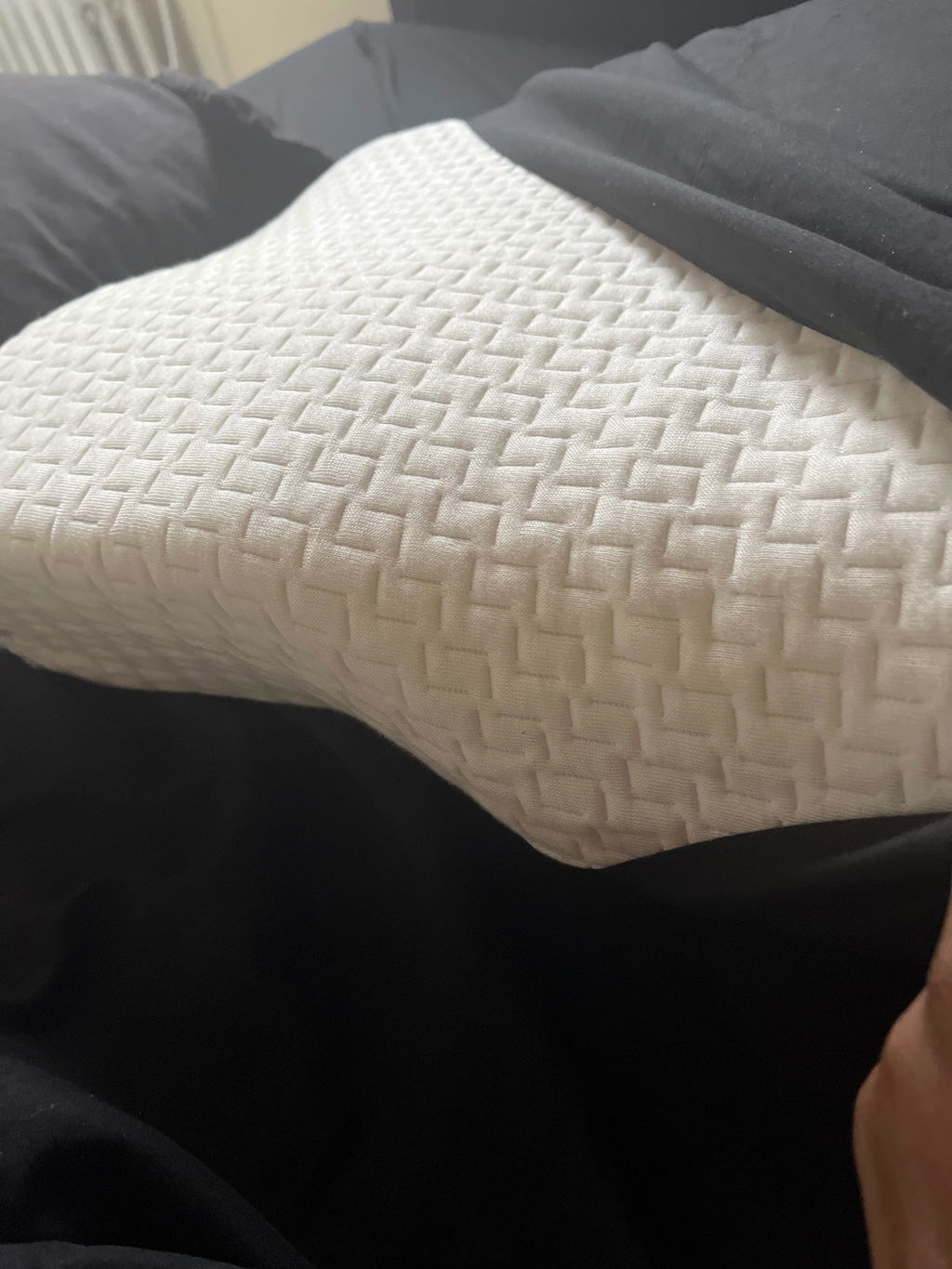
Best Pillows If Memory Foam Didn’t Work: Top Alternatives
Introduction
If memory foam pillows didn’t work for you, you’re not “picky.” You’re getting real feedback from your body.
Memory foam can feel supportive at first, but some sleepers wake up with neck stiffness, shoulder pressure, or that “stuck” feeling where turning over takes effort. Others run hot because traditional foam holds heat close to your skin. And if your pillow slowly sinks overnight, your head can drop out of good cervical alignment—especially if you’re a side sleeper with broader shoulders.
The good news: you don’t have to give up on ergonomic neck support just because one material didn’t match your sleep style. There are several high-quality alternatives that keep your head and neck in a healthier position while improving comfort, cooling, and pressure relief.
This list breaks down the best pillow types to try when memory foam wasn’t the answer, who each option fits best, and what to look for so you don’t waste money on another “almost” pillow. You’ll also see a practical, brand-informed approach we use at Dosaze: start with posture and shape first, then choose materials that help you stay cool and comfortable through the night.
Quick self-check: Why didn’t memory foam work?
Before you switch pillow types, it helps to name the problem. Otherwise, you may buy a different material that creates the same outcome.
| What you felt | Common cause with memory foam | What to look for instead |
|---|---|---|
| Neck pain or headaches | Loft too high/low; slow sink changes your neck angle | Ergonomic shape; adjustable loft; stable cervical support |
| Shoulder pain or arm numbness | Too firm under shoulder; not enough side-sleeper height | More height for side sleeping; better pressure relief around shoulder |
| Overheating | Foam traps heat; low airflow | Cooling cover; ventilated core; latex, buckwheat, or wool blends |
| “Stuck” feeling when you move | High viscosity foam resists quick changes | Latex, microcoils, down/alternative, or responsive hybrids |
| It felt good in-store but not at 3 a.m. | Overnight compression changes loft; posture shifts | Risk-free trial long enough to test real sleep |
Best pillows if memory foam didn’t work (top alternatives)
1) Ergonomic cervical pillow (shape-first support)
If memory foam failed because your neck still felt “off,” a bigger change than material is often needed: the shape. An ergonomic cervical pillow uses contoured zones to support the curve of your neck and keep your head from tipping too far up or down.
Here’s the contrarian take: many people blame foam when the real issue is loft geometry. A flat rectangle can’t reliably hold cervical alignment across back sleeping and side sleeping, especially if you move at night.
When shopping, look for a design with a defined neck cradle, a stable head pocket, and enough height options to match your shoulder width. If you’re anxious about choosing wrong, prioritize a pillow with a real trial period so you can test it over multiple sleep positions, not just a 5-minute first impression.
2) Latex pillow (springy support + cooler feel)
Latex is one of the best swaps when memory foam feels hot or “slow.” It responds fast when you change positions, so you don’t feel trapped in an imprint. Many sleepers also describe latex as cooler because it allows better airflow and doesn’t hug as tightly.
Latex can still deliver strong neck support, but it feels different: more buoyant than sink-in. That buoyancy often helps combination sleepers who rotate between side and back positions.
Choose shredded latex if you want adjustability and easier loft tuning. Choose solid latex if you want a stable, consistent shape night after night (especially helpful if your foam pillow kept collapsing by morning).
3) Buckwheat pillow (micro-adjustable and very stable)
Buckwheat pillows use hulls that shift like tiny pebbles to lock into the shape you set. If memory foam made your neck feel unsupported over time, buckwheat can feel like a reset because it stays put once you mold it.
It’s also a strong option for cooling. Air moves between the hulls, which helps reduce heat buildup compared with solid foams.
Trade-offs matter here: buckwheat can feel firm and it makes a soft rustling sound when you move. If you want stability and precise neck support more than a plush feel, it’s one of the best non-foam options available.
4) Down pillow (soft comfort for pressure relief)
If memory foam felt hard on your jaw, cheekbone, or ear, down can feel immediately more comfortable. Down compresses easily and spreads pressure, which helps if you’re sensitive to “push-back.”
But down alone often fails at neck support for side sleepers. It can flatten under the weight of your head, which may pull your neck out of cervical alignment—especially if you have broader shoulders.
A practical way to use down: pair it with better posture support. Some sleepers place a small cervical roll or a thin supportive insert under the pillowcase to create a gentle neck cradle while keeping the plush feel on top.
5) Down alternative (plush feel, easier care, often more consistent)
Down alternative fills (often polyester clusters) aim to mimic down’s softness while reducing allergens and simplifying washing. If memory foam made you feel hot and you want a lighter, less “dense” pillow, down alternative can help.
It also tends to hold a more consistent shape than low-quality down, which can shift into lumps. That said, many down alternative pillows still compress over time, so side sleepers should look for higher-loft builds or gusseted designs.
For neck support, the key is matching loft to your sleep position. If you wake up with a stiff neck, you likely need more stable height, not just a softer surface.
6) Microcoil pillow (responsive lift without foam “sink”)
Microcoil pillows use small springs (often paired with fiber layers) to create lift and airflow. If memory foam made you feel stuck, microcoils feel faster and more elastic when you change positions.
This design can also help hot sleepers. Springs create space inside the pillow, which improves ventilation compared with solid foam blocks.
Microcoil pillows often shine for combination sleepers who want support without the slow-melting feel of foam. If you’ve tried fluffy fills that go flat, coils can provide a more durable “backbone.”
7) Wool pillow (temperature regulation + gentle support)
Wool is a strong alternative if your main complaint was overheating. Wool fibers help manage moisture and temperature swings, which can reduce that clammy feeling some people get with foam.
Support-wise, wool sits in the middle: firmer than down, usually less rigid than buckwheat. It can also resist flattening better than many fiberfill pillows.
Look for adjustable wool fill if possible. A small loft change can be the difference between comfortable neck support and waking up with tight traps.
8) Feather pillow (moldable, but watch the support)
Feather pillows (often mixed with some down) are moldable and can feel cooler and less dense than memory foam. You can scrunch them into a shape that feels right in the moment.
The risk is long-term cervical alignment. Feathers can compress, shift, and create uneven height—common reasons people wake up with a kinked neck.
If you choose feathers, go higher fill weight and consider a gusseted build for better structure. Side sleepers should be cautious unless the pillow reliably keeps enough loft through the night.
9) Water pillow (adjustable height with firm stability)
Water pillows let you tune loft by adding or removing water. If memory foam didn’t work because the height was always “almost right,” water can give you a more precise way to dial it in.
They often feel stable under the neck, which can help reduce morning stiffness tied to poor support. Many also include a fiber outer layer for comfort so the surface doesn’t feel like a waterbed.
Downside: they’re heavier, and adjustments take more effort than adding or removing shredded fill. If you like set-and-forget once it’s perfect, water can be a good match.
10) Hybrid pillow (support core + plush top layer)
If your experience with memory foam was “supportive but uncomfortable,” a hybrid design is often the sweet spot. Hybrids combine a supportive core (latex, microcoils, or structured foam) with a softer top layer for pressure relief.
This is also where premium construction matters. A good hybrid keeps its shape and keeps your head from sinking too deep while still feeling comfortable on the surface.
When you compare hybrids, focus on the support layer more than the marketing. A thin comfort layer on top won’t fix a core that collapses or runs hot.
How to pick the right alternative (based on your sleep position)
Material matters, but your sleep position usually decides whether a pillow works.
| Sleep position | What your pillow must do | Alternatives that tend to work well |
|---|---|---|
| Side sleeper | Fill the gap from shoulder to neck; keep head level | Ergonomic cervical, latex (shredded/solid), buckwheat, microcoil, hybrid |
| Back sleeper | Support the neck curve without pushing head forward | Ergonomic cervical, latex, wool, water (carefully tuned) |
| Stomach sleeper | Keep loft low to avoid neck rotation strain | Low-loft down/down alternative, thin wool, very low adjustable fills |
| Combination sleeper | Respond fast when you move; stay cool | Latex, microcoil, hybrid, ergonomic cervical (if it fits your movement style) |
A Dosaze-specific buying tip: Don’t judge a pillow in 10 minutes
The most common frustration we hear is, “It felt good at first, then I woke up sore.” That’s normal because your muscles relax more deeply after you fall asleep, and your pillow’s true support shows up hours later.
That’s why we believe a real trial matters. A 60-night risk-free trial gives your body time to adapt and gives you time to test different positions, not just a quick lie-down. It also lowers the money risk, especially if you’ve already bought one or two pillows that didn’t help.
If you’re torn between two types, pick the one with the best return experience. Free shipping & returns can be the difference between “I’ll try it” and “I’ll keep living with pain because I’m tired of wasting money.”
What to avoid when memory foam didn’t work (common mistakes)
- Buying another pillow with the same loft problem. If your head tilts up or down, changing materials won’t fix the angle.
- Overcorrecting with an ultra-high pillow. Too much height can strain the neck as much as too little.
- Ignoring cooling if you sleep hot. Heat can cause more tossing, which makes neck and shoulder discomfort feel worse.
- Assuming “firm” equals “supportive.” Support means holding cervical alignment; firmness alone can increase pressure points.
FAQ
What’s the best pillow to try if memory foam made my neck hurt?
Neck pain after using memory foam often comes from poor cervical alignment rather than the idea of “foam” itself. The best next option is usually an ergonomic cervical pillow with a contoured neck cradle that keeps your head level and supports the natural curve of your neck. If you’re not sure which height fits you, choose an option with a real at-home trial so you can confirm comfort and neck support across full nights of sleep.
What pillow works best if memory foam made me overheat?
Overheating matters because heat buildup increases wake-ups and makes it harder to stay in a comfortable position. If memory foam slept hot for you, latex, buckwheat, wool, and microcoil pillows are typically better alternatives because they allow more airflow and manage temperature more effectively than solid foam. A practical next step is to pair the pillow with a cooling cover and test it for several nights, since heat issues often show up after a few hours.
Is latex better than memory foam for side sleepers?
Side sleepers need enough height and stable neck support to fill the shoulder-to-neck gap without forcing the head upward. Latex can be better than memory foam for many side sleepers because it feels more responsive, holds loft more consistently during the night, and often sleeps cooler. If you struggle with height, shredded latex is a smart starting point because you can adjust the fill to match your shoulder width.
What if every pillow feels wrong—what should I do next?
If every pillow feels wrong, the issue is often a mismatch between pillow loft and your sleep position rather than the brand or material alone. The most reliable next step is to pick a pillow that lets you test alignment over time—ideally with a 60-night risk-free trial—so you can evaluate morning neck and shoulder comfort across back and side sleeping. Take a simple note each morning for a week (neck tightness, shoulder pressure, heat, and how often you woke up) to spot patterns and adjust height or material with purpose.
How can I tell if my pillow height (loft) is the real problem?
Loft matters because even a premium pillow will feel bad if it angles your neck up or down for hours. A clear sign your loft is wrong is waking with neck stiffness plus a feeling that your head was tipped toward your chest (too high) or falling back/sideways (too low). As a quick check, have someone take a photo of you lying on your side: your nose should line up roughly with the center of your chest, not pointing down or up.
Conclusion: The best alternative depends on the problem you’re solving
If memory foam didn’t work, don’t force it. Start by identifying the failure point: heat, “stuck” feel, lack of neck support, or pressure on your face and shoulder.
For the most consistent improvement in sleep posture, an ergonomic cervical pillow is often the strongest next step because it targets cervical alignment directly. If cooling is your priority, latex, buckwheat, wool, and microcoils tend to outperform traditional foam. If you want plush comfort, down or down alternative can work best when you confirm you’re still getting enough neck support.
Next steps: pick one alternative that matches your sleep position, prioritize cooling if you run hot, and only buy if you can test it at home with a risk-free trial and free shipping & returns. That’s how you protect your budget and give your body a fair chance to feel the difference.
Summary of top picks (at a glance)
| If you want… | Top alternative | Why it’s a good next try |
|---|---|---|
| Better neck support and posture | Ergonomic cervical pillow | Shape-first cervical alignment and stable neck support |
| Cooler, more responsive feel | Latex pillow | Springy support, less heat buildup, easier movement |
| Maximum stability + airflow | Buckwheat pillow | Micro-adjustable, holds position well, very breathable |
| Plush pressure relief | Down or down alternative | Soft surface feel; best for low-loft needs |
| Support without sink | Microcoil or hybrid pillow | Responsive lift with better ventilation than solid foam |