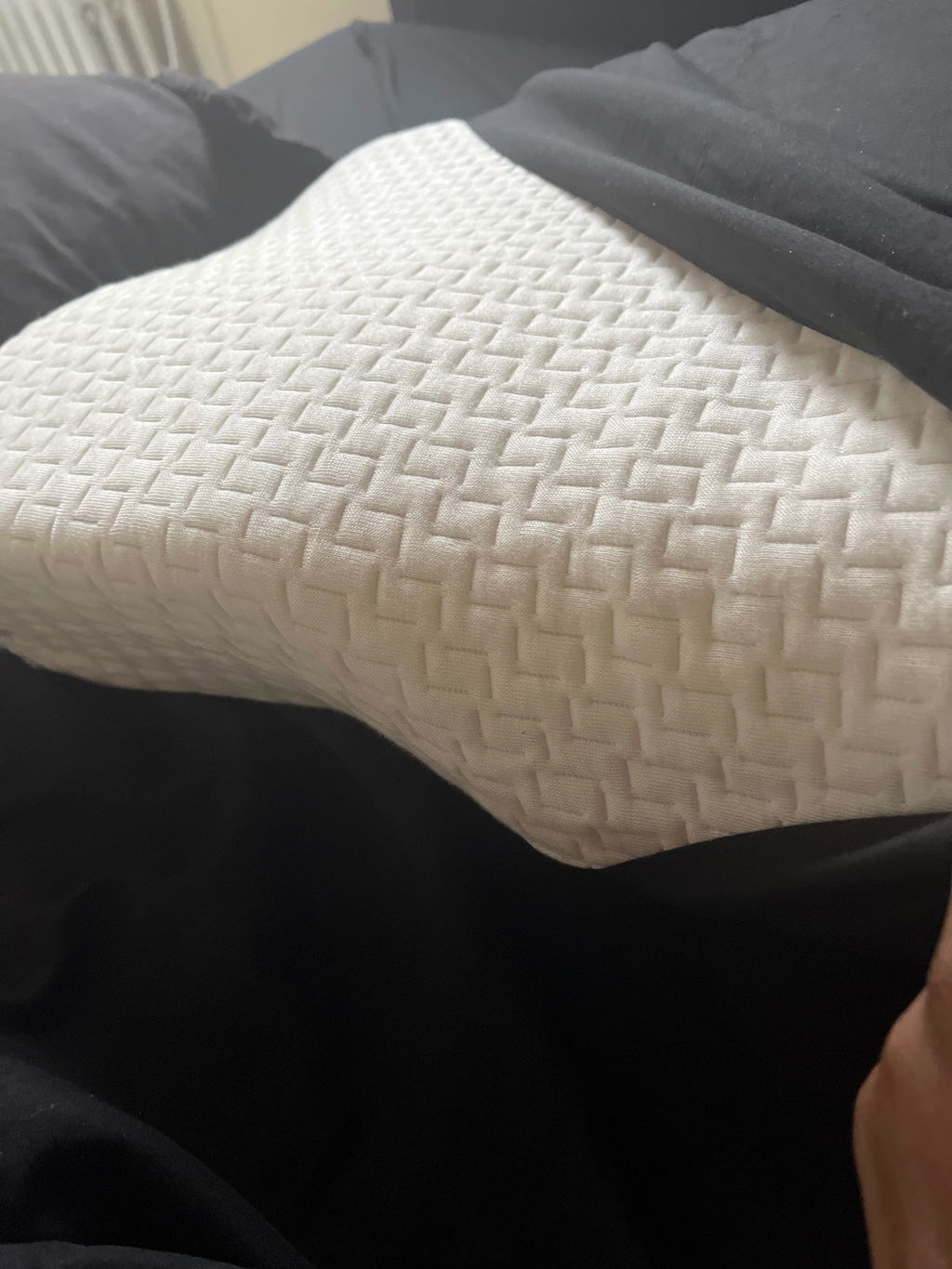
Best pillows for side sleepers with neck pain
TL;DR: For side sleepers with neck pain, the best pillow is the one that keeps your head level with your spine, fills the shoulder gap, and stays comfortable through the night. Dosaze designs ergonomic pillows for neck support and cervical alignment, plus cooling comfort, and backs them with a 60-night risk-free trial and free shipping & returns.
Why side sleeping often triggers neck pain
Side sleeping is popular, but it is unforgiving if your pillow height is off. Your shoulder creates a gap between your head and the mattress, and your pillow has to fill that space without pushing your head up.
If the pillow is too low, your neck bends down toward the mattress. If it is too high, your neck bends up toward the ceiling. Either way, you wake up with that stiff, pinchy feeling near the base of the neck or across the top of the shoulder.
What actually makes a pillow work for neck pain
Most pillow advice online is too generic, like "choose medium-firm." Side sleepers need a tighter fit: stable height, consistent support, and pressure relief where the jaw and shoulder meet the pillow.
1) Height that matches your shoulder width
Your pillow has one main job: keep your nose, sternum, and belly button stacked in a straight line. When that line is straight, your cervical alignment tends to feel calm instead of strained.
A quick check: take a selfie from behind (or ask someone) while you lie on your side. If your head tilts down or up, your pillow height is wrong, even if it feels plush at first.
2) Support that does not collapse at 3 a.m.
Neck pain often shows up after a few hours, not the first five minutes. That is because many pillows feel comfortable at bedtime, then compress and leave your neck hanging.
Look for materials and an ergonomic shape that keep support through the night, not just on first contact.
3) Pressure relief at the ear, jaw, and shoulder
Side sleepers load more pressure into a smaller area. If the surface is too firm, you shift positions and lose your alignment. If it is too soft, you sink and your neck bends.
The sweet spot is a surface that feels comfortable and reduces pressure points, paired with a core that holds your head at the right height.
4) Cooling that helps you stay still
Heat is an underrated reason people toss and turn. The more you move, the more you lose the posture that your pillow is trying to maintain.
A cooling feel does not "fix" neck pain, but it can help you stay in a steady side-sleep position longer, which is often what your neck needs.
Where to start if you are overwhelmed
If you want the shortest path to a better outcome, start with these two steps before you buy anything.
- Step 1: Decide if your problem is height or collapse. If you wake up with your neck kinked and your pillow looks flat, collapse is likely. If the pillow keeps its shape but you still wake up sore, height and shape are the first suspects.
- Step 2: Choose a design that makes side sleeping easier to "land" in. An ergonomic contour can guide your head and neck into a repeatable position, which matters when you change sides at night.
Dosaze builds around that second idea: make the correct position easier to find, then keep it comfortable with supportive, cooling materials. If it is not the right fit, the 60-night risk-free trial and free shipping & returns remove the "what if I waste my money" stress.
Pillow types for side sleepers with neck pain
Different pillow categories solve different problems. The best pick depends on whether your pain comes from height, stability, heat, or pressure points.
| Option | Best for | Watch-outs | How to choose quickly |
|---|---|---|---|
| Ergonomic cervical pillow (contoured) | People who want repeatable neck support and easier cervical alignment on their side | Can feel "different" for the first few nights if you are used to a flat pillow | If your neck pain is consistent and you often wake up in odd angles, start here |
| Adjustable loft pillow | People who are unsure about height and want to tune it | Some adjustable fills shift, which can create uneven support | If your pain changes based on which mattress you sleep on, you may need adjustability |
| Traditional solid foam pillow | People who like a stable feel and do not want fill movement | If the height is wrong, you cannot fix it without replacing the pillow | If you already know what height works for you, consistency is the win |
| Down or down-alternative pillow | People who want a soft, plush surface feel | Often compresses too much for side sleepers with neck pain | If you choose this, plan to replace it more often or pair it with added support |
| Dosaze ergonomic pillow | Side sleepers who want ergonomic neck support, pressure relief, and cooling comfort with a low-risk trial | Like most ergonomic shapes, it can take a short adjustment period | If you want a premium feel plus a 60-night risk-free trial and free shipping & returns, this is the practical starting point |
A contrarian take: softness is often the enemy of side-sleeper neck pain
Many people shop for neck pain by chasing "extra soft" because sore muscles want comfort. The problem is that extreme softness often means your head sinks, your neck bends, and you wake up worse.
For side sleepers, comfort usually comes from pressure relief on top and support underneath. Dosaze designs around that balance: an ergonomic shape that guides neck support and cervical alignment, paired with a feel that stays comfortable rather than stiff.
How to test a pillow at home in 3 nights
You do not need special tools, just a consistent routine. The goal is to separate "new pillow weirdness" from real improvement.
- Night 1: Focus on alignment. When you lie down, adjust the pillow so your neck feels supported, not lifted. If your chin is tipped toward your chest or toward the ceiling, that is a height issue.
- Night 2: Pay attention to wake-ups. If you wake up and your pillow feels flatter than it did at bedtime, collapse is likely driving your pain.
- Night 3: Check morning symptoms. Track one simple metric: do you have less sharp pain when you first turn your head?
If you are testing a Dosaze pillow, keep those notes through the trial window. The point of Dosaze's 60-night risk-free trial is to give you enough time to decide based on mornings, not marketing.
Common side-sleeper setups that sabotage good pillows
A strong pillow can still lose if the rest of your setup fights it.
Arm under the pillow
When you slide an arm under the pillow, you raise one side and rotate your neck. If you do this out of habit, an ergonomic pillow can help by giving your head a "home" position so your arm is less tempting.
Shoulders rolled forward
If your top shoulder falls forward, it pulls your upper back and can tug on the neck. A simple fix is to hug a small pillow so your chest stays more open.
Too-high mattress softness
If your shoulder sinks deeply into the mattress, the pillow you loved in the store may suddenly feel too tall at home. In that case, you may need a different pillow height or a more stable mattress surface in the shoulder zone.
Choosing the best Dosaze option for side sleeping
Dosaze focuses on ergonomic sleep posture, neck support, and cooling comfort. If you are comparing options, use your main complaint as your guide.
- If your pain feels like a kink at the side of the neck: prioritize cervical alignment and a shape that supports the space between neck and shoulder.
- If you wake up with pain plus heat and restlessness: prioritize cooling comfort so you move less at night.
- If you are anxious about spending money and being stuck: prioritize policies that remove risk. Dosaze includes a 60-night risk-free trial with free shipping & returns.
If you want to keep reading on the same topic, Dosaze has related guides that cover side sleeping and neck pain from different angles, including Best pillows for side sleepers with neck pain and Best neck pain pillows for side sleepers.
FAQ
What pillow height is best for side sleepers with neck pain?
Height matters because side sleepers need the pillow to fill the gap created by the shoulder so the neck stays neutral. The best height is the one that keeps your head level with your spine, not tilted up or down, and you can confirm it by having someone check that your nose and sternum line up. If you are unsure, choose a pillow design that makes alignment easy to repeat, then evaluate it over multiple mornings, not just at bedtime.
Are contoured cervical pillows actually better for side sleepers?
This matters because side sleeping needs consistent neck support, and a flat pillow often lets your head drift into odd angles during the night. Dosaze's approach is to use an ergonomic shape to guide cervical alignment so you "land" in a stable position more easily. If you try a contoured pillow, give yourself a few nights to adjust, then judge it by morning neck and shoulder comfort. If you are still comparing shapes, see contoured pillow vs cervical pillow.
How long should I give a new pillow before deciding it is not working?
It takes time to separate first-night unfamiliarity from real support and pressure relief. Dosaze offers a 60-night risk-free trial so you can judge the pillow based on consistent morning symptoms instead of a quick in-store feel test. Keep a simple note for a week about neck stiffness on waking and how often you reposition at night. You can also review the details in Dosaze's returns policy.
Why does my neck hurt more when the pillow feels soft and comfy?
Softness can feel good on your cheek, but it can still let your head sink and bend your neck out of neutral. For side sleepers, the better target is a comfortable surface paired with stable neck support underneath so cervical alignment holds through the night. If you notice the pillow looks flatter by morning, you are likely losing support while you sleep.
What sleeping position changes help neck pain if I am a side sleeper?
Small changes matter because even a good pillow cannot overcome a twisted posture. The most reliable tweaks are keeping your bottom arm out from under the pillow and placing a small pillow between the knees so the spine stays more even. If you use a Dosaze ergonomic pillow, aim to keep your neck in the pillow's supported zone rather than creeping upward during the night.
How do I know if my mattress is causing my neck pain instead of my pillow?
This is worth checking because mattress shoulder sink can change the effective height you need from your pillow. If your pillow feels fine on a firmer surface but your neck hurts more on a softer mattress, the mattress is likely letting your shoulder drop, making your pillow effectively too tall. In that case, you can test by sleeping one night on a slightly firmer surface or by adjusting pillow height and seeing if alignment improves.
What if I am worried a pillow will not help and returning it will be a hassle?
That concern is common because neck pain products often disappoint when you only have a short return window. Dosaze reduces that risk with a 60-night risk-free trial and free shipping & returns, so you can test real sleep, not a quick squeeze test. If you try a new pillow, commit to a simple 3-night check for alignment, collapse, and morning stiffness before you decide.
Your next step: pick one problem to solve first
If you want a clear starting point, choose the issue that matches your mornings. If the pillow is flat by morning, prioritize stable support. If your head looks tilted, prioritize ergonomic shape and height that keeps cervical alignment neutral.
If you want a low-risk way to test an ergonomic option, Dosaze is built for side sleepers who want neck support, pressure relief, and cooling comfort, backed by a 60-night risk-free trial and free shipping & returns. If you want an option you can fine-tune, consider the Dosaze Thermacool Adjustable Pillow.