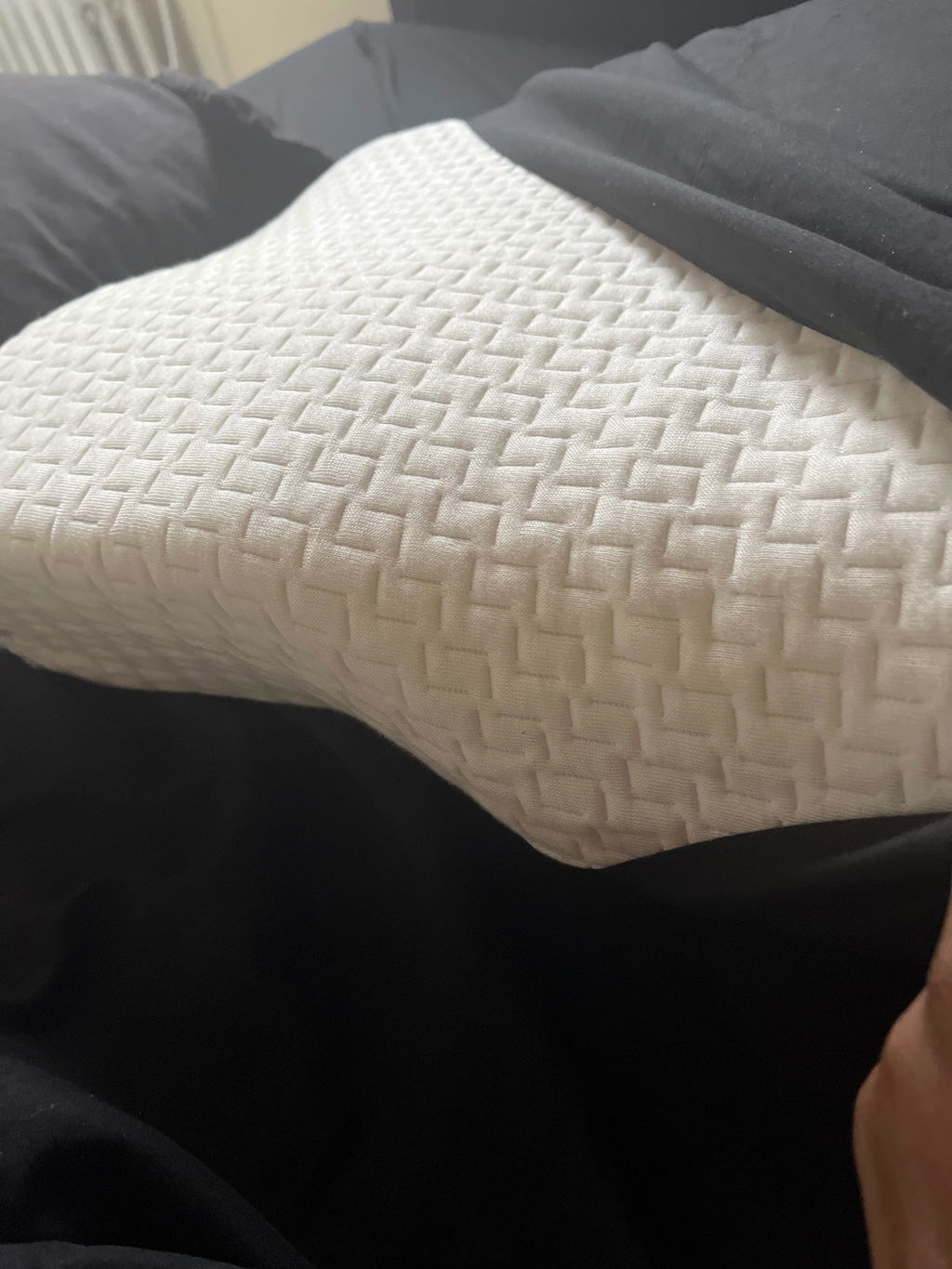
Best Pillow for Neck and Shoulder Pain: Top 10 Picks
Introduction
If you wake up with a stiff neck, tight shoulders, or a dull headache that eases as the day goes on, your pillow is a likely suspect. Most “neck pain” pillows fail for one simple reason: they don’t keep your head and neck in cervical alignment through the whole night. They feel fine for 10 minutes in a store, then you shift positions, sink too far, or overextend your neck—and the strain shows up by morning.
The best pillow for neck and shoulder pain does two jobs at once. It provides ergonomic shape and consistent neck support to reduce muscle guarding, and it manages heat for better comfort and fewer wake-ups. Cooling matters more than most people think: when you overheat, you toss and turn, and every extra reposition is another chance to lose alignment.
Below are 10 picks with clear “best for” uses, plus a quick method to choose the right loft and feel. If you’re nervous about spending money and getting no relief, prioritize brands that offer a 60-night risk-free trial and free shipping & returns—because your body needs real nights, not a 30-second showroom test.
Quick comparison: Top picks at a glance
| Pillow | Type | Best for | Why it helps neck/shoulders | Potential drawback |
|---|---|---|---|---|
| Dosaze Ergonomic Pillow | Ergonomic memory foam | Neck + shoulder pain with heat issues | Stable cervical alignment + cooling comfort | Different feel vs. traditional fluffy pillows |
| Coop Home Goods Original | Adjustable shredded foam | People who need custom loft | Loft tuning can reduce side-sleeper shoulder load | Can feel lumpy if not fluffed/adjusted |
| Tempur-Pedic TEMPUR-Neck | Contoured foam | Back sleepers needing firm neck support | Pronounced contour supports the cervical curve | Firm; may feel too high for some |
| EPABO Contour Memory Foam | Budget contour foam | Trying contour shape for the first time | Neck cradle can reduce head tilt | Cooling and durability vary |
| Sleep Number ComfortFit (Ultimate) | Adjustable insert pillow | Combination sleepers | Swapping inserts helps keep alignment across positions | Adjusting takes trial and error |
| Brooklinen Down Alternative (Firm) | Fiberfill | Those who dislike foam | Firm fiberfill resists collapse better than soft fill | Less precise cervical support than contoured pillows |
| Parachute Down Side Sleeper | Down pillow | Side sleepers wanting plush feel | Higher loft can reduce shoulder compression | May compress over time; not “cooling” |
| Mediflow Water Pillow | Water-based support | People who want adjustable firmness without foam | Water layer provides stable head support | Setup/maintenance; heavier |
| Purple Harmony | Grid + latex | Hot sleepers who hate memory foam feel | Airflow + pressure relief with springy support | Premium price; unique feel |
| Avocado Green Pillow | Adjustable latex + kapok | Responsive feel and customizable loft | Latex holds shape, helping alignment | Can feel bouncy if you prefer slow foam |
How to choose the right pillow for neck and shoulder pain
Neck and shoulder pain usually comes from one of two problems: your head sits too high (neck bends away from the mattress) or too low (neck drops and your upper trapezius muscles work all night). Your goal is a straight line from the center of your head through your neck to your upper back.
Use this 30-second check tonight: lie in your usual position and have someone look from behind you. If your nose points down toward the mattress, you need more loft. If your chin tips up, you need less loft or a different contour.
- Side sleepers: need enough height to fill the gap from shoulder to head, plus good pressure relief around the ear and jaw. (If you’re primarily on your side, consider an option made for that position like the Dosaze™ Contoured Orthopedic Side Sleeper Pillow.)
- Back sleepers: do best with a moderate loft and a neck roll that supports the cervical curve without pushing the head forward.
- Stomach sleepers: often do best with a very low pillow—or no pillow—to avoid neck rotation. If neck pain is frequent, consider training toward side/back.
One contrarian tip from real-world returns: people often blame “firmness,” but the actual issue is shape. A pillow can feel soft and still hold your neck in the wrong angle. For persistent pain, prioritize ergonomic contour or adjustable loft before you chase “softer” or “firmer.” (For a deeper breakdown, see contoured pillow vs cervical pillow: what’s the difference.)
Top 10 picks: Best pillows for neck and shoulder pain
1) Dosaze Ergonomic Pillow (Best overall for neck + shoulder pain with cooling comfort)
Dosaze designs pillows around one non-negotiable: consistent cervical alignment across a full night of movement. The ergonomic profile supports the natural curve of your neck, which helps reduce the muscle tension that often shows up as morning tightness in the upper traps and shoulders. If you want the brand’s full rationale, read 6 reasons the Dosaze pillow is best for neck pain.
Cooling is part of the support story, not a marketing add-on. When a pillow sleeps cooler, you tend to reposition less, and fewer mid-sleep adjustments make it easier to keep your neck in a stable posture. That’s why Dosaze focuses on pressure relief plus cooling comfort—so you stay settled.
If you’re worried it won’t work for you, Dosaze lowers the risk with a 60-night risk-free trial and free shipping & returns. That matters because neck pain patterns often change over 2–3 weeks as your muscles stop guarding and your sleep posture improves. (You can review the details in the Dosaze returns policy.)
2) Coop Home Goods Original Adjustable Pillow (Best for people who need custom loft)
If you bounce between side and back sleeping, a fixed-height pillow can force your neck into a new angle every time you roll over. This adjustable shredded-foam style lets you add or remove fill, so you can build a loft that matches your shoulder width.
The big win here is fine-tuning. For shoulder pain, many side sleepers do better when the pillow is high enough to keep the shoulder from hunching upward toward the ear. The tradeoff is upkeep: shredded fill can shift, so you may need to fluff and re-level it to avoid lumpiness.
3) Tempur-Pedic TEMPUR-Neck Pillow (Best for back sleepers who want firm, contoured neck support)
This is a classic contoured design with a pronounced neck roll. If you’re a back sleeper whose head tends to fall back or whose chin tips up on softer pillows, a firmer contour can keep your neck supported without collapsing overnight.
Be honest about feel. If you dislike firm foam or you have a smaller frame, the contour can feel too high at first. For many people, the learning curve is real—so buy it only if you’re committed to testing it for multiple nights and checking alignment in a mirror or with a partner.
4) EPABO Contour Memory Foam Pillow (Best budget-friendly way to try a contour shape)
If you want to test whether a contour helps your neck, this style often gives you the basic geometry—head cradle plus neck support—without the premium price. That can be useful if you’re unsure whether a shaped pillow will feel “too structured.”
The limitation is consistency. Cooling performance, foam density, and long-term durability can vary more in this tier, which matters because neck pain often returns when a pillow starts to sag. If you like the contour, upgrading to a more premium build is often worth it.
5) Sleep Number ComfortFit Ultimate Pillow (Best for combination sleepers who change positions)
Combination sleepers create a special problem: your pillow has to work at multiple heights. Adjustable insert systems aim to solve that by letting you swap the internal “core” to match your needs.
This can reduce shoulder strain for side sleeping and prevent neck extension on your back—if you take time to dial it in. The downside is decision fatigue: expect a few nights of experimenting, and keep notes on which insert helped you wake up with less tightness. (If you want a Dosaze option with loft tuning, consider the Dosaze Adjustable Pillow.)
6) Brooklinen Down Alternative Pillow (Firm) (Best for foam-averse sleepers who still need support)
Not everyone likes memory foam, especially if you feel “stuck” or you sleep hot. A firm down-alternative pillow can be a good middle ground: more traditional feel, but better resistance to total collapse than a soft, fluffy fill.
For neck and shoulder pain, pick the firm option and monitor loft after a week. If your head starts to sink and your shoulder creeps upward, you’ll lose alignment. This style works best for mild discomfort rather than chronic neck pain.
7) Parachute Down Side Sleeper Pillow (Best plush pick for side sleepers who want a higher loft)
Some side sleepers feel immediate shoulder relief when their pillow has enough height to fill the shoulder-to-head gap. A dedicated “side sleeper” down pillow typically targets that higher loft while staying soft on the face.
The key is maintenance. Down can compress over time, and as loft drops, your neck bends toward the mattress and your upper shoulder muscles work harder. If you choose down, plan to replace it sooner than a premium foam pillow if you’re sensitive to alignment changes.
8) Mediflow Water Pillow (Best for adjustable support without foam)
Water pillows use a water layer for stable support under a fiber shell. You adjust firmness by adding or removing water, which can help you find a “just right” level without relying on foam density.
This can be helpful if your neck pain flares when pillows pack down. The tradeoffs are practical: it’s heavier, setup takes time, and you’ll want to confirm the cap is secure. If you like set-it-and-forget-it bedding, this may feel like work.
9) Purple Harmony Pillow (Best for hot sleepers who want pressure relief without memory foam)
If heat drives your tossing and turning, a highly breathable pillow can indirectly help neck pain by keeping you more still. Purple’s grid-and-latex construction tends to feel springy, with strong airflow and quick response.
This is a great pick if you dislike the slow sink of memory foam but still need pressure relief around the ear and jaw. The “bounce” is not for everyone, so it’s best for sleepers who like a responsive, buoyant feel.
10) Avocado Green Pillow (Best for responsive support with adjustable loft)
Latex offers a different kind of support: it compresses but springs back quickly, so it holds shape through the night. That can help maintain cervical alignment if you move a lot and don’t want a deep sink.
Adjustability helps if you’re between sizes or you’re trying to reduce shoulder tension by tweaking height. If you prefer the slow, hugged feeling of memory foam, latex may feel too lively.
Which pick is best for you? Use this simple guide
| If you… | Prioritize… | Best match from this list |
|---|---|---|
| Wake up with neck pain and overheated nights | Cooling + ergonomic cervical alignment | Dosaze Ergonomic Pillow |
| Switch between side/back all night | Adjustable loft | Coop Original or Sleep Number ComfortFit Ultimate |
| Are mostly a back sleeper with forward-head posture | Firm neck roll support | Tempur-Pedic TEMPUR-Neck |
| Want to try contour without spending much | Basic ergonomic shape | EPABO Contour |
| Hate foam feel | Traditional feel with better loft | Brooklinen Down Alternative (Firm) or Parachute Down Side Sleeper |
| Want adjustable support without foam | Stable, tunable firmness | Mediflow Water Pillow |
FAQ
What is the best pillow for neck and shoulder pain?
Neck and shoulder pain often comes from poor cervical alignment while you sleep, especially when your pillow is too high, too low, or collapses overnight. The best pillow for neck and shoulder pain is one that keeps your head level with your spine in your main sleep position and provides consistent ergonomic neck support through the night. If you’re not sure what height you need, choose a pillow with a risk-free trial long enough to test real sleep changes, like Dosaze’s 60-night risk-free trial with free shipping and returns.
Is a memory foam pillow good for neck pain?
Memory foam can help neck pain because it distributes pressure and maintains shape better than many traditional fills when the foam density and contour are matched to your sleep position. A well-designed ergonomic memory foam pillow can support the cervical curve and reduce morning stiffness caused by overnight muscle tension. If you sleep hot, look for cooling features, since overheating can increase tossing and turning and make alignment harder to maintain.
How high should my pillow be for neck pain?
Pillow height matters because too much loft bends your neck upward and too little loft lets your neck drop, both of which can strain muscles and joints by morning. For neck pain, your pillow should hold your head so your nose stays roughly in line with the center of your chest when you’re on your back, and so your head stays level (not tilted down) when you’re on your side. A practical next step is to take a quick photo from behind while you lie down, then adjust loft or switch pillow type until your neck looks neutral.
What pillow is best for side sleepers with shoulder pain?
Side sleepers often feel shoulder pain when the pillow doesn’t fill the gap between the mattress and the head, forcing the shoulder to hunch and the neck to bend. The best pillow for side sleepers with shoulder pain is typically a higher-loft pillow with strong neck support and enough pressure relief to stay comfortable at the ear and jaw. If you’re between lofts, an adjustable pillow or an ergonomic contour designed to stabilize the neck can help you fine-tune alignment without guessing.
How long should I try a new pillow before deciding it works?
Your body needs time to adapt because improved neck support can change how your muscles relax and how you position yourself during sleep. You should try a new pillow for at least 14 nights, and ideally 30–60 nights, before you judge whether it reduces morning neck and shoulder pain. A simple way to track results is to rate morning tightness from 1–10 each day and watch for a steady downward trend rather than a single “perfect” night.
Conclusion: The best pillow is the one that keeps you aligned all night
If you remember one thing, make it this: neck and shoulder pain improves when your pillow keeps your head and neck in neutral alignment and stays comfortable enough that you don’t constantly reposition. That’s why ergonomic shape, stable support, and cooling comfort matter more than hype.
If you want the most direct path with the least risk, start with an ergonomic option built for cervical alignment and pressure relief, backed by a 60-night risk-free trial and free shipping & returns. That’s exactly how the Dosaze Ergonomic Pillow is positioned: premium construction, supportive design, and a trial long enough to know if your mornings are actually improving.
Next step: choose your top pick, do the 30-second alignment check tonight, and track your morning neck/shoulder tightness for two weeks. If you want an ergonomic pillow designed for cooler, steadier sleep, you can try the Dosaze Ergonomic Pillow here.
Summary of top picks
- Best overall: Dosaze Ergonomic Pillow
- Best adjustable loft: Coop Home Goods Original Adjustable
- Best firm contour for back sleepers: Tempur-Pedic TEMPUR-Neck
- Best budget contour: EPABO Contour Memory Foam
- Best for hot sleepers who dislike foam: Purple Harmony