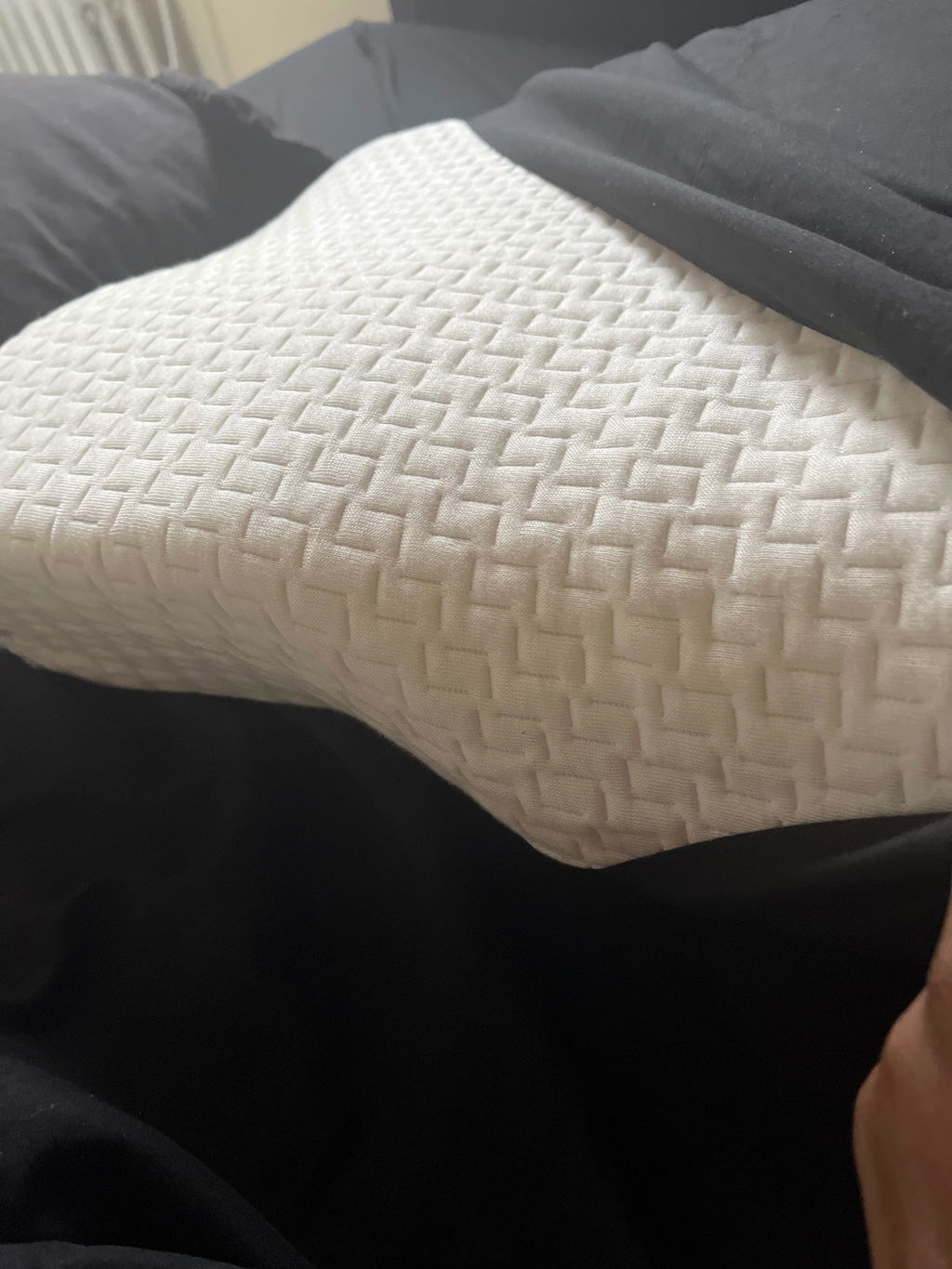
Best Pillow for Side Sleepers: Your Top Questions Answered
If you sleep on your side, you already know that not just any pillow will do. The wrong one leaves you waking up with a stiff neck, an aching shoulder, or that frustrating middle-of-the-night urge to flip and refold your pillow into something — anything — more comfortable. The good news? There's real sleep science behind what makes a pillow work for side sleepers, and once you understand it, choosing the right one becomes a lot easier. Here are the most common questions we hear about finding the best pillow for side sleeping, answered clearly and honestly.
Why do side sleepers need a different pillow than back or stomach sleepers?
When you sleep on your side, there's a significant gap between your head and the mattress — roughly the width of your shoulder. A pillow needs to fill that gap completely to keep your spine in a neutral, straight alignment from your neck down to your lower back. Back and stomach sleepers don't have that same lateral gap to bridge, so they typically need less loft. Using a pillow designed for another sleep position can cause your neck to tilt up or sag down overnight, leading to muscle tension and poor sleep quality.
What pillow loft (height) is best for side sleepers?
Most side sleepers do best with a medium-to-high loft pillow, generally in the range of 4 to 6 inches. The exact ideal height depends on your shoulder width — broader shoulders typically need more loft to maintain that neutral spinal alignment. A simple test: lie on your side and check whether your nose is level with the center of your chest. If it is, your pillow height is likely right. If your head tilts up or drops down, you need to adjust.
What pillow fill is best for side sleepers?
The most popular and well-supported options for side sleepers include:
- Memory foam: Contours closely to the shape of your head and neck, offering consistent support throughout the night. Solid memory foam holds its shape well, while shredded memory foam allows more adjustability.
- Latex: Naturally resilient and supportive, latex bounces back quickly and tends to sleep cooler than traditional memory foam. A good choice if you run warm.
- Down alternative: Soft and moldable, though side sleepers should look for a higher-fill-power version that won't compress too flat too quickly.
- Adjustable fill: Pillows that let you add or remove fill are especially helpful for side sleepers who are still dialing in their ideal loft.
There's no single "best" fill for everyone — it comes down to your personal preference for feel, your temperature regulation needs, and how much support your neck requires.
How firm should a pillow be for side sleeping?
Side sleepers generally benefit from a medium-firm to firm pillow. A pillow that's too soft will compress under the weight of your head and lose the loft you need for proper alignment — essentially the same problem as using a pillow that's too thin. That said, "firm" doesn't have to mean uncomfortable. The goal is a pillow that holds its shape under pressure while still feeling cushioned and supportive against your face and ear.
Can the wrong pillow cause shoulder or neck pain?
Yes, and this is one of the most common causes of morning neck and shoulder discomfort that people don't immediately connect to their pillow. When your head isn't properly supported, your neck muscles work overtime throughout the night trying to compensate for poor alignment. Over time, this can contribute to chronic tension, headaches, and even disrupted sleep as your body unconsciously shifts positions trying to get comfortable. If you're waking up sore consistently, your pillow is one of the first things worth evaluating. [LINK: sleep quiz]
Does my mattress affect which pillow I should choose?
Absolutely. A softer mattress will allow your shoulder to sink in more, which reduces the gap between your head and the sleep surface — meaning you may need slightly less loft than you would on a firmer mattress. This is why pillow recommendations aren't one-size-fits-all, and why it's worth thinking about your mattress and pillow as a system rather than two separate decisions. If you're also considering a new mattress, [LINK: Dosaze mattress collection] has options designed to complement proper spinal alignment for every sleep position.
Should side sleepers use a body pillow?
Many side sleepers find a body pillow genuinely helpful, and there's good reason for it. Placing a pillow between your knees helps keep your hips stacked and reduces rotational stress on the lower spine — a common source of lower back pain for side sleepers. Hugging a body pillow also prevents your top arm from dropping forward, which can pull on the shoulder and upper back. It's a simple addition that can meaningfully improve how you feel in the morning.
How often should I replace my pillow?
A general guideline is to replace pillows every 1 to 2 years, though this varies by fill type. Memory foam and latex pillows tend to hold up longer than down or polyester alternatives. A reliable sign it's time for a new pillow: fold it in half, and if it doesn't spring back on its own, it's likely lost the structural support you need. Stains, persistent odors, and waking up sore despite good sleep hygiene are also signals worth paying attention to.
Is a pillow with a cooling cover worth it for side sleepers?
If you tend to sleep warm or live in a warmer climate, a pillow with a cooling cover or breathable outer fabric can make a noticeable difference in comfort. Side sleepers press one side of their face against the pillow for extended periods, and heat build-up in that contact zone can cause restlessness. Covers made from materials like Tencel, bamboo-derived fabric, or moisture-wicking blends are designed to stay cooler and help regulate temperature through the night.
What's the easiest way to test whether a pillow is right for me?
The best approach is to take your time evaluating a new pillow over multiple nights — one night isn't always enough to know. Pay attention to how you feel when you wake up: is your neck neutral and relaxed, or tight and stiff? Are you waking up to reposition your pillow? Many sleep wellness brands, including Dosaze, offer trial periods on their products so you can test in real conditions, in your own bed, without pressure. [LINK: Dosaze pillow collection]
Finding the best pillow for side sleeping doesn't have to be a guessing game. Once you understand what your body actually needs — the right loft, the right firmness, the right fill — you can make a confident, informed choice instead of cycling through pillows that don't quite work. Explore the Dosaze pillow collection to find options designed with side sleepers in mind, and check out our [LINK: sleep quiz] if you'd like a personalized recommendation based on your sleep style. Better mornings start the night before.