Best Pillow for Side Sleepers: A Hands-On Review of What Actually Works
Overview
If you sleep on your side, you already know the struggle: you wake up with a stiff neck, a numb shoulder, or that persistent ache between your shoulder blades that no amount of stretching seems to fix. The culprit is almost always your pillow — specifically, one that isn't designed for the unique demands of side sleeping.
Side sleeping is the most common sleep position, and for good reason. It's linked to better spinal alignment, reduced acid reflux, and improved airflow compared to back or stomach sleeping. But it places a very specific load on your cervical spine. Unlike back sleepers, who need moderate loft, side sleepers need a pillow with enough height and firmness to bridge the gap between their head and shoulder — keeping the spine in a neutral, straight line from neck to tailbone.
We spent several weeks evaluating pillows specifically through the lens of side sleeping: testing loft, fill material, firmness, heat retention, and how well each option held up through the night without flattening. Here's what we found.
What We Tested
We focused our evaluation on three pillow categories that consistently come up in sleep science discussions and customer feedback: memory foam (solid and shredded), latex, and down-alternative fiber fill. Each category has a different feel and a different relationship with support — and not all of them perform equally for side sleepers.
Memory Foam Pillows
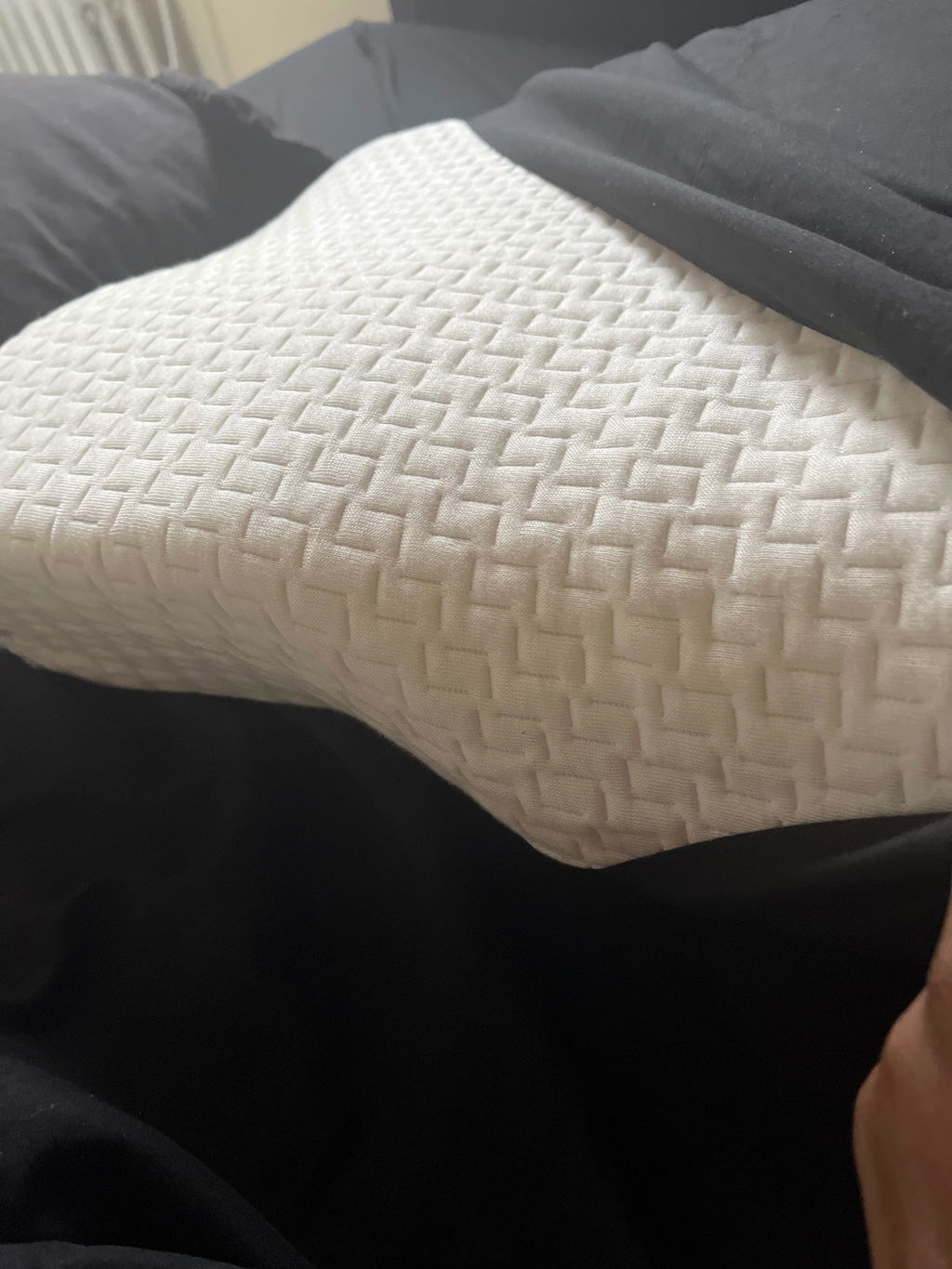
Solid memory foam offers the most consistent loft throughout the night. It doesn't compress under the weight of your head the way fiber pillows do, which means your spine stays supported even at 3 a.m. The trade-off is that solid foam can feel rigid to some sleepers, and traditional memory foam is notorious for trapping heat. Pillows with gel-infused foam or ventilated designs perform significantly better in this regard.
Shredded memory foam strikes a middle ground. It conforms more dynamically to your head and neck, and most shredded foam pillows are adjustable — you can add or remove fill to dial in the exact loft you need. For side sleepers who are between sizes, this adjustability is genuinely useful. We found that most side sleepers need a loft somewhere between 4 and 6 inches, depending on shoulder width.
Latex Pillows
Natural latex has a buoyant, responsive feel that memory foam doesn't quite replicate. It pushes back against your head rather than slowly conforming to it, which some sleepers find more supportive and others find less comfortable. The key advantage for side sleepers is durability — latex holds its loft exceptionally well over time and doesn't develop the flat zones that foam and fiber pillows eventually do. Latex also sleeps cooler than memory foam by nature. The downside is weight: latex pillows are noticeably heavier, which makes repositioning them during the night slightly more effortful.
Down-Alternative Fiber Pillows
Fiber-fill pillows are the softest option in our test group, and they're the most affordable. For side sleepers, though, they present a consistent challenge: compression. Over the course of a night, most fiber pillows lose a meaningful amount of their initial loft. Some cluster-fiber designs hold up better than standard polyester fill, but even the best fiber pillows we tested required regular fluffing to maintain adequate height. If you're a combination sleeper who occasionally rolls to your back, a medium-loft fiber pillow might work. For dedicated side sleepers, it's rarely the best long-term choice.
Pros and Cons for Side Sleepers
Memory Foam (Shredded)
- Pro: Adjustable loft lets you customize height for your shoulder width
- Pro: Contours to the neck without losing support over time
- Pro: Often machine-washable covers make maintenance easy
- Con: Can retain heat without active cooling features
- Con: May feel too firm for sleepers who prefer a plush surface feel
Latex
- Pro: Exceptional durability — holds loft consistently for years
- Pro: Naturally cooler and more breathable than memory foam
- Pro: Responsive feel provides immediate support without sinking
- Con: Heavier than other pillow types
- Con: Higher price point than foam or fiber alternatives
Down-Alternative Fiber
- Pro: Soft, cloud-like feel that many sleepers prefer
- Pro: Lightweight and easy to maneuver
- Pro: Most affordable option
- Con: Compresses significantly during the night
- Con: Requires frequent fluffing to maintain adequate loft for side sleeping
Who Each Type Is Best For
Best for most side sleepers: Shredded memory foam
The adjustability factor makes shredded memory foam the most versatile option for side sleepers. Whether you have narrow shoulders or a broad frame, you can remove or add fill until the pillow keeps your neck aligned. It's also the most forgiving option if you occasionally shift positions during the night. We'd recommend this as a starting point for anyone unsure of which pillow type suits them — especially if you haven't found the right loft yet. You might also want to take our [LINK: sleep quiz] to get a more personalized recommendation.
Best for hot sleepers: Latex
If heat is your primary complaint with pillows, latex is worth the investment. Its open-cell structure allows for better airflow than foam, and it doesn't absorb and hold body heat the way dense memory foam can. Pair it with a breathable [LINK: pillow protector] and cooling pillowcase for the best results.
Best for occasional side sleepers: Down-alternative fiber
If you primarily sleep on your back but sometimes shift to your side, a medium-loft fiber pillow can work well. It won't provide the sustained support a dedicated side sleeper needs, but for combination sleepers it offers the right balance of softness and versatility.
What to Look for When Buying a Pillow for Side Sleeping
- Loft (height): Aim for 4 to 6 inches depending on your shoulder width. Broader shoulders need higher loft to keep the spine neutral.
- Firmness: Medium-firm is the sweet spot for most side sleepers. Too soft and your head sinks; too firm and pressure builds at the ear and temple.
- Fill material: Prioritize materials that hold their shape through the night — memory foam or latex over standard fiber.
- Cooling features: Gel infusion, ventilation channels, or natural latex all help regulate temperature if you sleep warm.
- Washability: Look for removable, machine-washable covers for hygiene and longevity.
Final Verdict
After weeks of testing, shredded memory foam remains our top recommendation for the majority of side sleepers. It offers the right combination of support, adjustability, and accessibility. Latex is the premium choice for hot sleepers or anyone willing to invest in a pillow that will last significantly longer. And while down-alternative fiber has its place, it's rarely the ideal match for someone who spends most of the night on their side.
The single most important thing to get right is loft. An otherwise excellent pillow at the wrong height will cause the same neck and shoulder discomfort as a poor-quality one. Take the time to assess your shoulder width and experiment with fill if your pillow allows it.
Your pillow doesn't work in isolation, either. The right pillow paired with a supportive mattress makes a meaningful difference in how aligned — and how rested — you feel in the morning. Explore the [LINK: Dosaze mattress collection] to find a surface that complements your sleep position, and browse our full range of [LINK: sleep accessories] designed to work together as a complete sleep system. Better sleep is a combination of the right tools — and it's worth getting both right.